
Livraison le jour même ou le lendemain

Qualité garantie

Débloquez vos offres de bienvenue: Livraison GRATUITE | Jusqu'à -80 % | 30 jours d'essai gratuits à JoyPlus
Téléchargez l'application
Having a lush vegetable garden or a flower-filled balcony is a source of real pride. But without the right support, your climbing plants (tomatoes, cucumbers, peas, etc.) are at risk of sagging, rotting from contact with the ground, and becoming easy prey for diseases. Choosing trellis netting might seem trivial, but many gardeners end up with a product that doesn't last the summer or, ultimately, does more harm than good.
To avoid buyer's remorse, it's best to know the common pitfalls. Some nets, despite looking sturdy, disintegrate after just a few weeks in the sun. Others have mesh so poorly designed that it strangles young shoots or turns harvesting into a real headache. Not to mention materials that rust, rot, or become a breeding ground for bacteria, threatening your entire garden.
To make the right choice, a few technical points need close attention. This is what will guarantee you a reliable setup for many seasons to come.
The material of your garden trellis determines its lifespan and maintenance.
Mesh size is far from a minor detail. It must be perfectly suited to the type of plants you want to grow.
Vertical gardening is a fantastic technique for maximising yield in a small area. Most nets can be installed in two ways:
There's a solution for every gardener. Here are our recommendations, chosen to meet specific needs while avoiding common pitfalls.
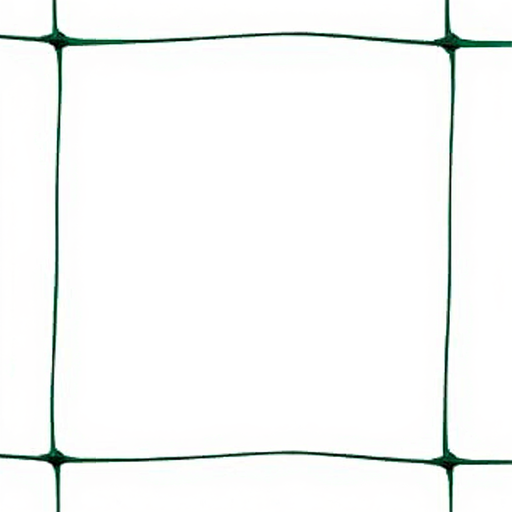
Why we chose it: Perfect for larger vegetable gardens and gardeners who want to optimise their harvest of tomatoes, beans, or cucumbers. Its generous length can cover a long row or several garden beds, offering an excellent price-to-coverage ratio.
Made from UV-treated plastic, it's designed to last and can be reused for several seasons, unlike budget nets that break down under the sun.
Its large surface area and robustness make it a quickly recouped investment. The wide mesh ensures good air circulation and makes harvesting easy.
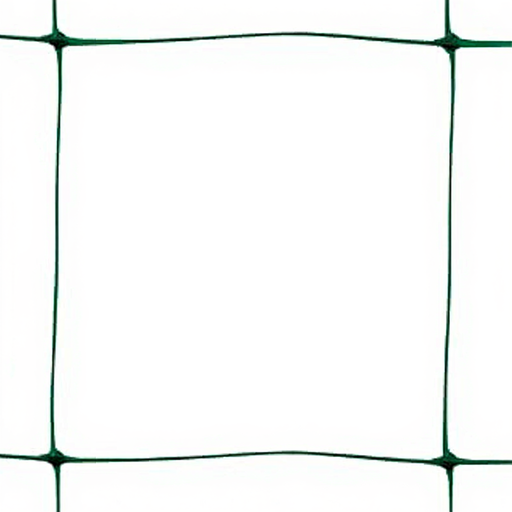
Why we chose it: Ideal for vertical gardening on a balcony, terrace, or in a small raised bed. Its dimensions (1.5 x 10 m) are perfect for guiding peas, beans, or a few cherry tomato plants without overwhelming the space.
No waste or bulky rolls. Its light weight (just 100g) makes it very easy to attach to lightweight structures, like those found on balconies, without any risk of overloading.
Its blend of polyethylene and polypropylene makes it both flexible and strong. Very easy to handle, it can be cut as needed to perfectly fit your planters.
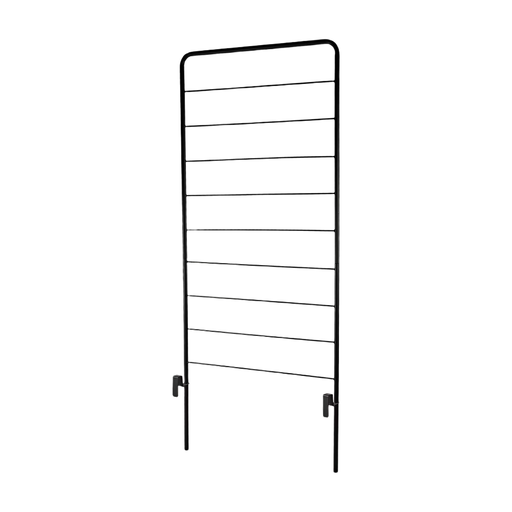
Why we chose it: For those who see a climbing plant trellis as a decorative object in its own right, not just a support. Perfect for showcasing a rose, jasmine, or ivy, or for creating a stylish plant partition.
Eliminates the risk of rust thanks to its powder-coated steel frame, designed to withstand the elements. Its rigidity makes it a permanent and reliable support where a flexible net would be unsuitable.
Its sleek design and anthracite grey finish blend beautifully into a contemporary setting. It can be staked directly into the ground or mounted on a wall.
Explore our full selection of products that meet our quality criteria and safety standards.
The sturdiness of the installation depends primarily on the stakes, not just the net. Use strong supports (wood, metal, thick bamboo) driven firmly into the ground, spaced 2 to 3 metres apart. Then, stretch the net as tightly as possible between the stakes, securing it at the top and bottom to prevent it from sagging in the middle under the weight of the plants. Good tension is the key to success.
A good quality, UV-treated polypropylene or polyethylene net can easily last 3 to 5 seasons, sometimes longer. To extend its life, remember to clean it at the end of the season, let it dry completely, and store it away from light and moisture for the winter.
It all depends on your project. For a permanent, decorative, and sturdy support for perennial plants (roses, clematis), a treated metal trellis is often the best solution. For annual vegetable crops (tomatoes, cucumbers, peas), a plastic net will be more practical, more economical, and much easier to install, take down, and store.