
Livraison le jour même ou le lendemain

Qualité garantie

Débloquez vos offres de bienvenue: Livraison GRATUITE | Jusqu'à -80 % | 30 jours d'essai gratuits à JoyPlus
Téléchargez l'application
A trellis net for climbing plants helps you save ground space, organise a greenhouse and harvest more easily. However, choosing the right model is essential. Some purchases prove disappointing after just a few weeks: meshes that are too fine for cucumbers, unsuitable dimensions or material that becomes brittle in the sun.
Before choosing a plant-support net for your garden, examine its structure, size and fixing system. This will help you compare the different options without being guided solely by marketing promises.
A 10 or 20 m roll may seem more than sufficient, but it is mainly the height of the netting that determines its vertical growing potential. For a row of tomatoes or beans, measure the distance between the ground and the upper anchoring point, then add some extra allowance for fixing and tensioning.
A 1.5 m model is suitable for many small vegetable gardens. A 1.70 m net will be better suited to a taller structure. In a greenhouse, also check the available width to avoid unnecessary cutting and waste.
The strength of netting depends on several factors : the material, protection against ultraviolet rays, the thickness of the threads and the quality of the connecting points. Netting intended to remain in full sunlight must be designed for outdoor use. Polypropylene and polyethylene are widely used for their light weight and resistance to corrosion, unlike some metal supports.
UV stabilisation is a real advantage if you want to reuse the netting season after season. However, it does not remove the need to store it somewhere dry once the season is over.
Even netting with the right dimensions can become misshapen if the stakes are too far apart or if there are not enough attachment points. Fruit-laden cucumbers and certain varieties of tomatoes can place considerable strain on the entire installation.
Make sure you have sufficiently strong stakes, a frame or a fence. Jute plant-tie string can complement the setup, provided you make loose ties that do not constrict the stems.
For a tomato and cucumber net, an open mesh allows light and air to circulate more effectively while providing attachment points for stems and tendrils. Beans and peas will generally wind around a vertical trellis without difficulty.
The exact mesh size is not always specified. If this is the case, check the photos, technical details and crops mentioned by the manufacturer carefully. For heavy plants, choose a structure that can be secured on several sides.
A vertical growing net should remain sufficiently taut without being overstretched. Only cut it after checking the exact dimensions of your support.
After harvesting, remove stems and plant debris before folding the netting. Store it in a dry, well-ventilated place, away from a heat source or naked flame. If the edges of the trellis could catch or scratch your skin, wear gloves when installing it.
Synthetic nets are generally easy to clean and do not rust. A natural-fibre rope, such as jute, requires more care : avoid leaving it to soak and store it somewhere dry to extend its service life.
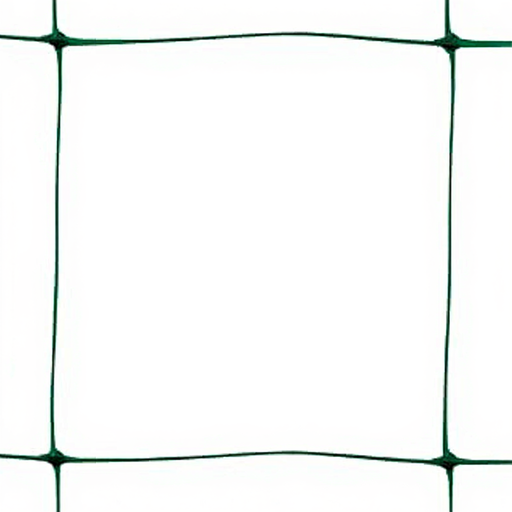
Why this choice suits this profile : Its 1.5 × 10 m size is suitable for small vegetable gardens, fences and first-time vertical growing installations.
Its dimensions are clearly stated and its low weight makes installation easy, without any special equipment. However, avoid tensioning it excessively.
Discreet green mesh, a lightweight material combining polyethylene and polypropylene, and the option to secure it to stakes, frames or a fence.
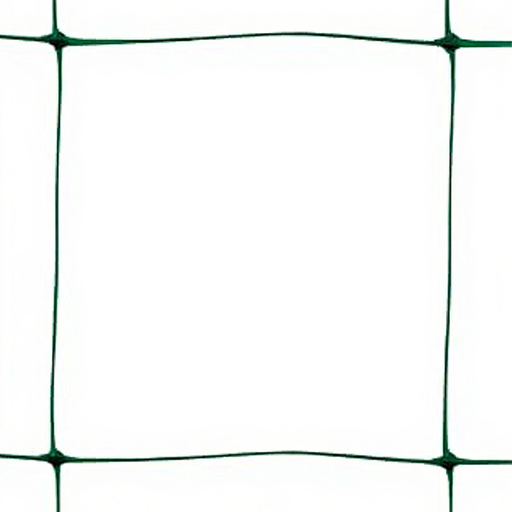
Why this choice suits this profile : This pack of two 2 × 20 m nets is designed for large gardens, greenhouses and installations requiring extensive coverage.
Its length reduces the risk of running out of netting during installation. Nevertheless, it must be secured to a sufficiently robust structure.
Polypropylene construction described as tear-resistant, vertical or horizontal installation and a material that is unaffected by rust.
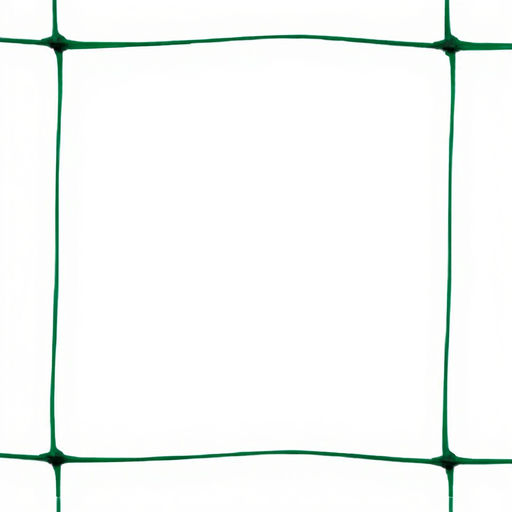
Why this choice suits this profile : Its height of 1.70 m is suitable for vertical crops of tomatoes, cucumbers, beans and peas, both in the vegetable garden and under glass.
The product details specify the height when the net is fully extended and recommend secure fixing. This helps you anticipate the weight of the harvest instead of relying on the net alone.
Polypropylene construction, the option to cut it to suit your installation, advertised use in the garden, under glass or for agricultural growing, and recommended storage after the season.
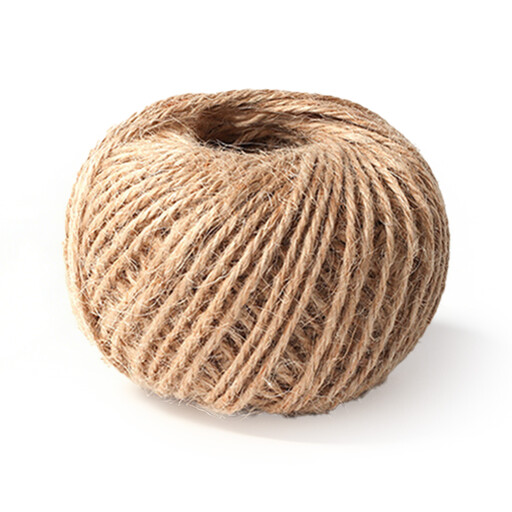
Why this choice suits this profile : It complements a vegetable garden net by guiding stems, making ties or creating a small homemade structure.
It is not a substitute for a load-bearing trellis. With its 2 mm diameter and natural material, it is mainly intended for loose ties and light-duty uses.
A 50 m roll, natural jute fibres, easy cutting with scissors and a texture that provides a good grip.
We have brought together a complete, real-time updated selection of products that meet these demanding criteria as well as European safety standards.
For tomatoes, distribute the ties across several points to spread the load more effectively. Peas and beans can generally rest naturally on the mesh to guide their tendrils. Cucumbers are heavier and require a properly stabilised structure.
Use sturdy stakes, loose ties or jute rope cut to the right length. Start by securing the top and bottom of the net, then add anchoring points along the sides. Avoid constricting the stems and check the tension regularly as the fruit grows.
A 1.5 × 10 m size is often suitable for a small row of plants or a fence. For several crops, a greenhouse or a taller structure, a 1.70 × 10 m or 2 × 20 m net offers more possibilities. Take measurements before ordering, checking in particular the available height and the length to be covered.
Yes, provided it is designed for outdoor use and properly maintained. Remove plant residue without pulling roughly on the mesh, allow the net to dry, then store it away from moisture, rodents and heat sources. Its service life will then depend on its exposure, the weight of the harvest and the quality of its fixing.