
当日/次日达

品质保障

开启新人专享福利: 全场免邮 | 低至 2 折 | 免费试用 30 天 JoyPlus 会员
下载 Joybuy
A trellis net for climbing plants helps save ground space and guides the growth of tomatoes, cucumbers, peas and beans more effectively. However, choosing the right model is essential. Mesh that is too wide, an inaccurately estimated length or material that stretches in the sun can quickly make installation more difficult, sometimes from the very first season.
The selection by the Joybuy Product Recommendation Officer is based on practical criteria: dimensions, material, stated strength, fixing system and ease of storage. Here are the key points to consider before buying a climbing net for your vegetable garden.
A 10- or 20-metre roll does not tell you how much area it will cover. You also need to take into account the height of the net, the distance between the posts and the extra material needed to secure it. A 1.5 m-high net will not necessarily be suitable for a tall structure designed for particularly vigorous plants.
Start by measuring:
The term ‘durable’ does not always tell you which material has been used, how the mesh is constructed or how well the net will withstand outdoor conditions. For a net for tomatoes and cucumbers, check in particular for UV-stabilised polypropylene, as well as the tear resistance stated by the manufacturer.
The weight of the fruit, strong gusts of wind and repeated handling put considerable strain on the fixing points. Lightweight mesh can be practical, provided it remains stable enough once attached to the posts.
A reusable garden net requires a minimum amount of care. Dry stems and tendrils can become caught in the mesh. If the net is folded without first removing plant debris, cleaning it will be more difficult and the material may be damaged when it is dismantled.
Remove any remaining plant matter, rinse the net if necessary, allow it to dry completely, then store it in a dry place away from prolonged exposure to sunlight.
Most climbing nets are installed vertically, between posts. However, horizontal installation may be suitable for some low-growing crops or raised structures. According to the product specifications, the TENAX Flora models featured here are available in 1.5 × 10 m, 2 × 10 m and 2 × 20 m.
For a small plot, 10 metres may be enough. A 20-metre length is better suited to several rows or an installation that needs to be divided into multiple sections. However, avoid over-tensioning the mesh: excessive tension can deform it and weaken the fastenings.
Polypropylene netting offers several advantages for a vegetable garden: it is lightweight, will not rust and is easier to handle than metal trellis. UV stabilisation remains an essential feature for outdoor use, as prolonged exposure can eventually degrade plastic materials.
The TENAX Flora 2 × 10 m model is described as being made from UV-stabilised polypropylene, with a mesh size of 150 × 170 mm. This opening allows air to circulate and enables stems to attach themselves gradually. The product specifications also mention a reinforcement process using extrusion.
The net must be secured to posts, a fence or a sufficiently sturdy frame. For the 2 × 10 m model, the specifications recommend posts spaced approximately 3 to 5 metres apart, depending on the configuration and the desired level of tension. This spacing should be adapted to the weight of the crops and their exposure to wind.
Prepare ties or fasteners that are compatible with the support. Wear gloves during installation and do not install the net near a flame or significant heat source.
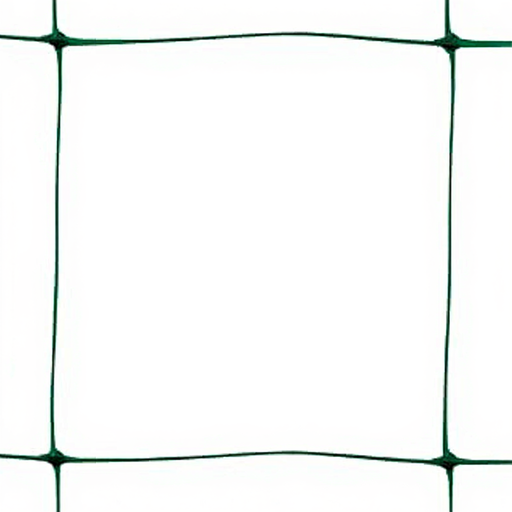
Why this choice suits this profile: Its 1.5 × 10 m format is suitable for a raised bed, a small row of beans or an installation along a fence.
The coverage area is clearly stated, and the net can be secured to posts, a frame or a fence without a complicated installation.
A lightweight 0.1 kg net according to the specifications, which is flexible and easy to handle. The manufacturer recommends not stretching it excessively.
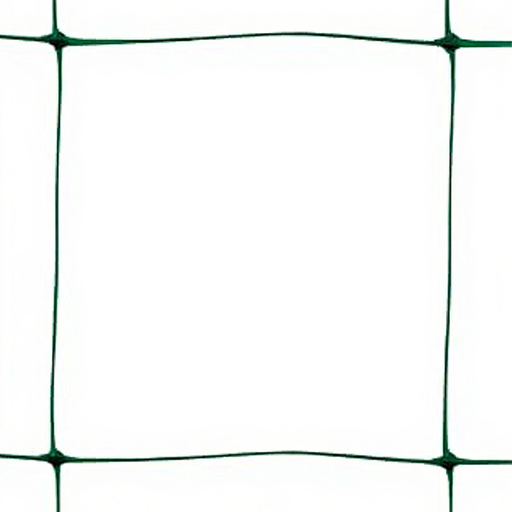
Why this choice suits this profile: With its 20 m length, it is suitable for large vegetable gardens, several rows or gardeners who want to cut the roll to fit their different structures.
The detailed 2 × 20 m format reduces the risk of mistakes when covering larger installations and avoids the need for multiple joins.
Lightweight polypropylene with no risk of rust, featuring fine mesh designed to guide tomatoes, cucumbers, peas and climbing beans.
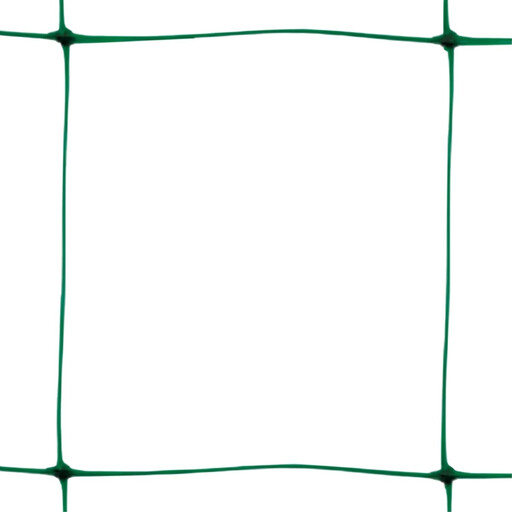
Why this choice suits this profile: Its stated height of 2 m in the product name makes it suitable for taller-growing crops and installations requiring a large guiding surface.
The detailed specifications state a height of 1.70 m, while the name indicates 2.00 m. Check this measurement on the product page before placing your order.
A 10 m polypropylene roll, with installation advice recommending supports spaced approximately 3 to 5 m apart.
We have compiled a complete, real-time updated list of products that meet these strict selection criteria and European safety regulations.
To install a support for climbing plants, follow these steps:
The net can be used as a trellis for climbing vegetables such as peas, beans, cucumbers, trained tomatoes, climbing squash or certain aubergines. For heavy fruit, reinforce the posts and distribute the plants across several support points.
The specifications for TENAX Flora nets recommend spacing the supports approximately 3 to 5 metres apart. However, this distance depends on the height of the net, its tension, the weight of the crops and their exposure to wind. A heavily laden row may require additional fixing points.
Its lifespan varies depending on exposure to sunlight, tension, friction and the weight of the vegetation. For the 2 × 10 m model, the specifications recommend checking the condition of the net regularly and suggest replacing it every 2 to 3 growing cycles, or sooner if damage appears. Cleaning and storing it in a dry place after the season can help reduce wear.
Choose a 10 m model for a small row or a single structure. The 20 m format is better suited to a larger vegetable garden or several installations. Before buying, calculate the length you actually need by adding the extra material required for fixing, then check the exact height stated in the product specifications.