
Livraison le jour même ou le lendemain

Qualité garantie

Débloquez vos offres de bienvenue: Livraison GRATUITE | Jusqu'à -80 % | 30 jours d'essai gratuits à JoyPlus
Téléchargez l'application
A lush vegetable garden and bountiful harvests are every gardener's dream. But for climbing plants like tomatoes, cucumbers, or peas, good support isn't an option—it's a necessity. Trellis netting seems like the ideal solution, but be warned: not all models are created equal. Before you buy, learn how to avoid the common traps that could ruin your efforts and your future harvest.
Too many gardeners, beginners and experts alike, fall for tempting promises that end in disappointment. Here are the mistakes to avoid to choose the right netting the first time:
reusable garden netting claim no longer holds up, forcing you to buy a new one every year.To ensure your crops thrive and your setup lasts, there are three technical points to inspect closely before you head to the checkout.
The choice of material is crucial. Forget generic plastics and insist on high-density polypropylene (PP). It offers the best balance of lightness and strength. But the non-negotiable feature is the UV-resistant treatment. Without it, even the best plastic will eventually be baked by the sun and disintegrate. A properly treated net will last several seasons outdoors, making it a much smarter and more sustainable solution than metal (which rusts and can burn plants) or wood (which eventually rots).
The mesh size of your trellis for climbing plants should match what you're growing. For most garden vegetables (tomatoes, cucumbers, peas, beans, etc.), a square mesh of about 15?x?15?cm to 17?x?17?cm is the ideal standard. This size provides an excellent tomato support or cucumber trellis, allowing stems to grip securely without being strangled. It's also the perfect format to ensure good air circulation, optimal sun exposure, and, most importantly, to make maintenance and harvesting easier for you.
The strength of a pea and bean netting isn't measured by its thickness. It's the manufacturing process, particularly extrusion and bi-stretching, that gives it outstanding mechanical strength, even if it seems thin and light. A quality net should neither stretch nor tear under the weight of ready-to-pick vegetables. This robustness ensures the stability of your setup throughout the season.
Because every gardener is unique, here are our recommendations for different uses, all selected for their durability and practicality.
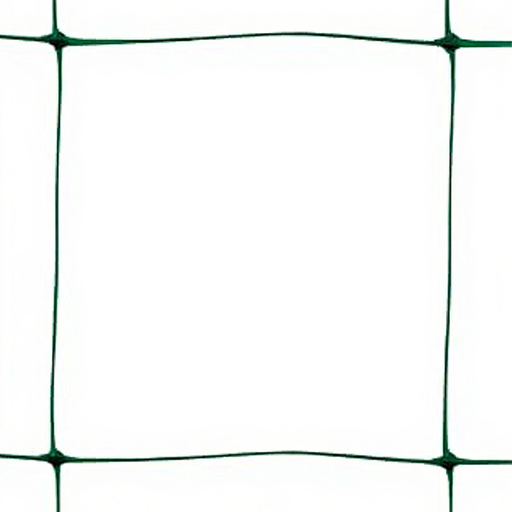
Why we recommend it: Perfect for those who think big in the vegetable garden. Its generous dimensions (2x20 m) cover a large area, and its design is engineered to handle the weight of the heaviest crops (tomatoes, cucumbers) throughout the entire season.
Made from high-density, UV-treated polypropylene, it won't degrade or become brittle in the sun. It's a true reusable garden netting, designed to last season after season.
Its outstanding tear resistance and immunity to rust, mould, and chemicals make it a hassle-free and ultra-reliable solution for a vegetable garden net.
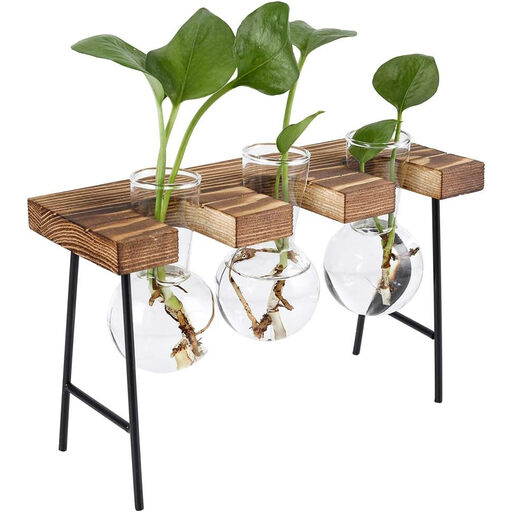
Why we recommend it: For indoor gardeners, this holder is a solution as elegant as it is practical for propagating cuttings or displaying small plants. It adds a decorative and organized touch to a desk or windowsill.
No more cluttered cuttings lying around on the windowsill. Unlike unsightly plastic pots, this wood and glass set is a truly decorative and durable piece that beautifully structures your space.
The combination of retro-inspired wood and the transparency of glass creates an aesthetic that is both natural and modern. The kit is complete and ready to use for an immediate decorative effect.
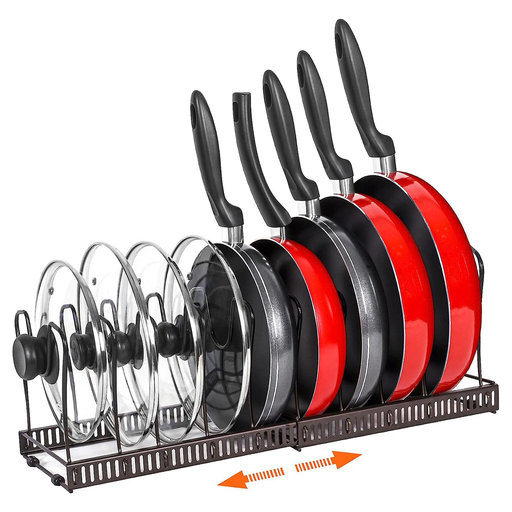
Why we recommend it: From the garden to the kitchen! For the gardener who loves to transform their harvest, a tidy kitchen is essential. This smart rack finally makes it possible to efficiently organize lids, cutting boards, and pans.
It solves the headache of fixed, "one-size-fits-all" storage that never quite fits. Thanks to its expandable frame and 10 removable dividers, you can create custom-sized compartments for your utensils.
Made from 304 stainless steel, it's built to last. Its non-slip feet ensure perfect stability while protecting your cabinet shelves or countertop.
Explore our complete selection of solutions for displaying and organizing your indoor plants, all chosen for their quality and design.
Its lifespan depends mainly on the material and how you care for it. A good UV-treated polypropylene net can easily last 3 to 5 seasons, or even longer. To make it last, clean it well at the end of the season, let it dry completely, and store it in a dry place away from the sun during the winter.
It's very simple. Drive sturdy stakes (wood, metal, thick bamboo) into the ground at each end of your row. For longer runs, add intermediate stakes every 2 to 3 metres. Then, unroll the net and secure it tightly to the top and bottom of the stakes, making sure it is well-tensioned. Good tension is crucial to prevent it from sagging under the weight of the vegetables. Plan for sufficient height to accommodate the plants' growth, usually between 1.5 and 2 metres.
Each solution has its pros and cons. A metal trellis is certainly very sturdy and durable, but it's also heavy, more difficult to store, and can rust (unless specially treated). Most importantly, it can get scorching hot in direct sunlight and damage fragile stems. Plastic trellis netting (polypropylene) is much lighter, easier to handle, and to store. It doesn't rust, won't overheat in the sun, and is more affordable. For most home vegetable gardens, a quality polypropylene net represents the best balance of effectiveness, price, and simplicity.