
Livraison le jour même ou le lendemain

Qualité garantie

Débloquez vos offres de bienvenue: Livraison GRATUITE | Jusqu'à -80 % | 30 jours d'essai gratuits à JoyPlus
Téléchargez l'application
A lush vegetable garden, vegetables climbing proudly towards the sun, abundant harvests… This is the promise of vertical gardening. To achieve it, trellis netting is your best ally—provided you choose the right one! A bad purchase can quickly turn this dream into a nightmare: a net that tears under the weight of tomatoes, mesh that strangles your cucumbers, or plastic that disintegrates after a single summer are all-too-common disappointments.
As a Product Expert at Joybuy, I analyse hundreds of products for you. My role is to help you cut through the noise and make the right choice. Let's break down the pitfalls to avoid and the criteria that truly make a difference, ensuring your investment bears fruit, season after season.
Before you choose, it's crucial to know the hidden flaws that make some products ineffective or short-lived.
To be confident in your investment from planting to harvest, here are the three points to inspect closely.
The lifespan of your garden netting depends primarily on its composition. Focus on the two most reliable materials on the market: polypropylene (PP) and polyethylene (PE).
The non-negotiable criterion, regardless of the plastic, is UV stabilisation. A treated net will not degrade in the sun and can be reused for many seasons. It's a far more durable alternative to metal stakes (which rust) or bamboo (which rots).
The size of the openings in your climbing net is no accident. A square mesh of about 15?x?17?cm is the most versatile standard today. It's large enough to allow for good air circulation, maximum sun exposure, and easy access for maintaining and harvesting your vegetables. This is the ideal format for a support for tomatoes, cucumbers, or beans: it guides growth without ever bruising or marking the fruit.
The size of the net must, of course, match your setup.
Here are our recommendations—products that check all the boxes for durability and practicality, suited for every type of gardener.
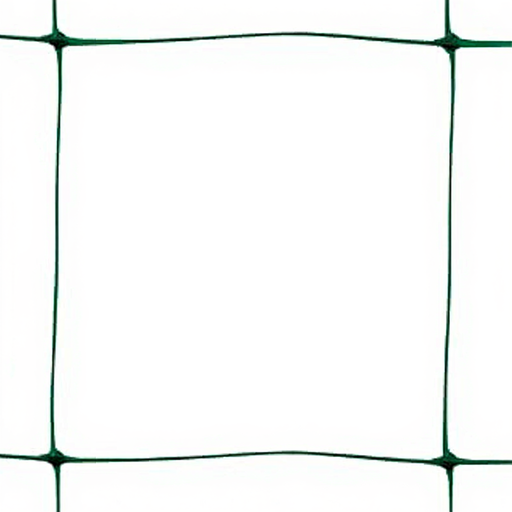
Why we chose it: With its compact dimensions (1.5 x 10 m), it's perfect for balconies, small vegetable patches, or for getting started with vertical gardening. Its light weight makes it very easy to install on stakes or against a wall.
Its blend of polyethylene and polypropylene is designed to withstand outdoor conditions: it won't become brittle after one summer, unlike low-cost plastics.
Feather-light (100 g) and easy to handle. Its green colour blends discreetly into the foliage.
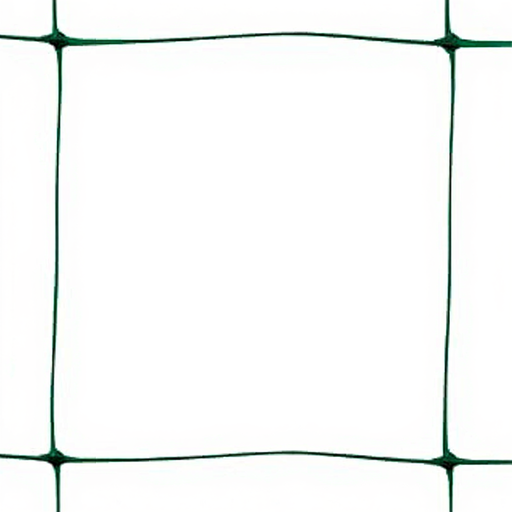
Why we chose it: Perfect for gardeners looking to maximise the yield of their climbing vegetables. Its 1.7 m height is suitable for tall varieties of tomatoes and beans, and its robust structure ensures healthy plants.
Made from polypropylene using extrusion and bi-stretching, it offers superior tensile strength, which prevents it from sagging under the weight of ripe vegetables.
Resistant to mould, bacteria, and agricultural chemicals. Its open structure promotes photosynthesis and improves the quality of the harvest.
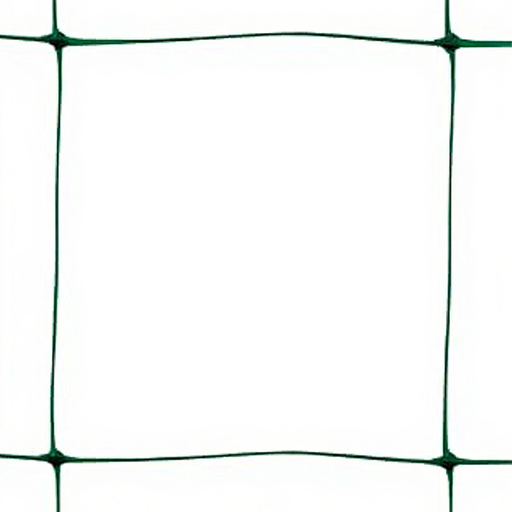
Why we chose it: Designed for seasoned gardeners, large plots, or greenhouse cultivation. Its generous dimensions and robustness make it a long-term investment, capable of supporting heavy crops year after year.
Its unique manufacturing process gives it exceptional tear resistance. Fully UV-treated, it won't degrade and can be reused for many seasons.
Large coverage area (40 m?). A maintenance-free alternative to metal (doesn't rust) and wood (doesn't rot).
We have curated a complete selection of products that meet these quality criteria and current standards.
Attach the net to sturdy supports (posts, stakes, a wooden or metal frame) spaced a few metres apart. Stretch it just enough to be taut, without over-tightening, to avoid damage. A tip: wear gloves when handling it to avoid scratches.
A high-quality, UV-treated net can last for several seasons. To maximise its lifespan, simply clean off any plant debris at the end of the season, rinse it, and store it in a dry place away from light during the winter.
Absolutely. A climbing plant net is very versatile. It can be installed vertically to guide vegetables in the garden, or horizontally (in several layers) to support long-stemmed flowers like carnations or snapdragons in floriculture.