
Livraison le jour même ou le lendemain

Qualité garantie

Débloquez vos offres de bienvenue: Livraison GRATUITE | Jusqu'à -80 % | 30 jours d'essai gratuits à JoyPlus
Téléchargez l'application
The right trellis netting can transform a humble garden into a bountiful harvest. The problem? The market is flooded with products that look perfect but prove disappointing after just a few weeks. Before you invest, it's crucial to know how to avoid the common pitfalls that can compromise the health of your plants, your time, and your money.
The two most frequent mistakes?
Choosing the right support for your climbing plants isn't just an aesthetic decision; it's a strategic investment in your garden's productivity.
To make an informed choice, focus on three key parameters that determine the performance and longevity of your setup. Ignoring them means risking having to buy everything all over again next season.
The durability of your garden trellis depends primarily on its material.
The size of the mesh is a decisive factor for the health of your crops. A good climbing plant net must offer effective support without ever hindering their development.
A well-sized mesh also promotes good air circulation and optimal sun exposure—two key elements for preventing fungal diseases and maximising your yield.
Vertical gardening should be a pleasure, not a chore. A good net must be lightweight and easy to install. Check if it can be easily cut to fit the dimensions of your structure (stakes, wooden frames, walls). The inclusion of garden net fasteners, such as clips or dedicated ties, can radically simplify setup and ensure perfect tension, which is essential for supporting the weight of mature plants.
Here are a few models that meet specific needs, all selected based on our criteria for durability and practicality.
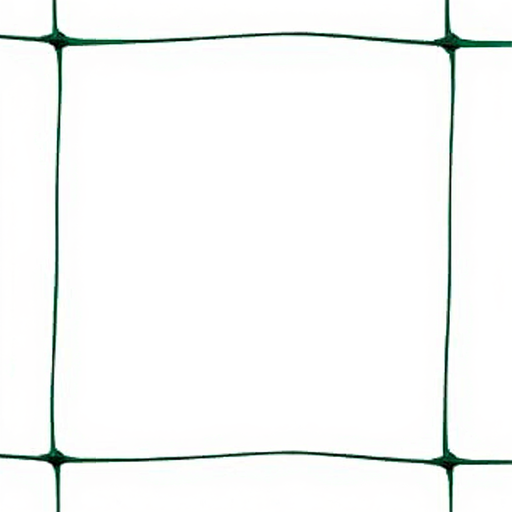
Why we chose it: Perfect for those who grow a wide variety of vegetables (tomatoes, beans, cucumbers) and need a large support area. Its green colour blends discreetly into the garden scenery.
Made from UV-stabilised plastic, it's designed to resist sun degradation and last for several seasons, unlike low-end nets that become brittle.
Its large, open mesh promotes optimal air circulation and excellent light penetration, while being strong enough to support heavy crops.
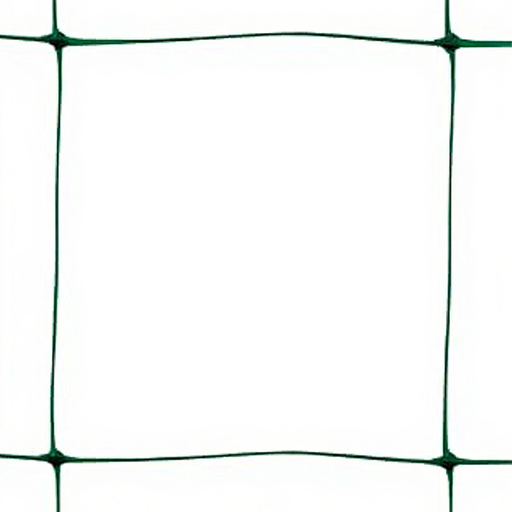
Why we chose it: For gardeners seeking a durable, "buy it once, use it for years" solution. This netting is designed to be reused season after season without any loss in performance.
Its high-quality polypropylene construction gives it exceptional tear resistance, even under the weight of abundant harvests. It doesn't rust and resists mould, saving you from having to replace it every year.
Extremely durable yet very lightweight. Easy to clean and store at the end of the season for reuse the following year, making it an economical and eco-friendly choice in the long term.
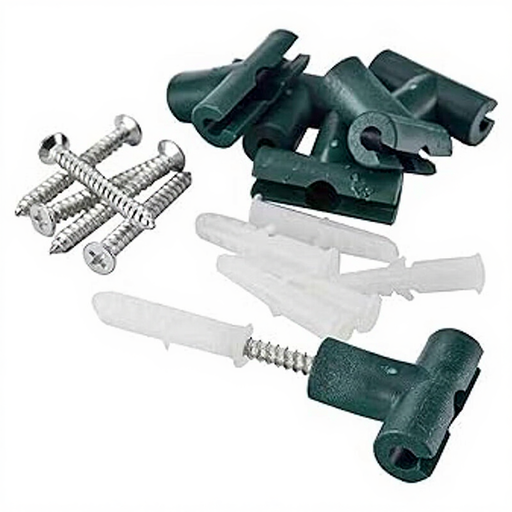
Why we chose it: Essential for installing a net on a wall, fence, or trellis, whether on a balcony, terrace, or in the garden. It's a clean, discreet, and durable fastening solution.
It puts an end to makeshift solutions (string, wire) that end up damaging the net or the support structure. The included stainless steel screws won't rust, ensuring a flawless hold outdoors.
It provides a complete and professional fastening solution (clips, screws, wall plugs). This allows you to create a clean and effective vertical growing support, even in the tightest of spaces.
We've compiled a complete, up-to-date list of products that meet our strict selection criteria.
The easiest method is to drive two sturdy stakes into the ground at either end of your crop row. Then, stretch the net between these two stakes, securing it at the top and bottom. Make sure it is taut so it doesn't sag under the weight of the plants. For wall mounting, use specific clips or hooks, screwed into the wall at regular intervals.
A good quality, UV-treated polypropylene net can easily last between 3 and 5 seasons, or even longer. To maximise its lifespan, we recommend cleaning off plant debris at the end of the season, letting it dry completely, and storing it in a dry place away from the sun during the winter.
Yes, most plastic or polypropylene nets can be easily cut with a simple pair of scissors to perfectly fit the dimensions of your garden, greenhouse, or balcony. This action generally does not affect the strength of the remaining structure.