
Livraison le jour même ou le lendemain

Qualité garantie

Débloquez vos offres de bienvenue: Livraison GRATUITE | Jusqu'à -80 % | 30 jours d'essai gratuits à JoyPlus
Téléchargez l'application
Whether you want to boost your vegetable garden's harvest or green up a balcony with climbing plants, a good trellis netting is an invaluable ally. The problem? The market is flooded with products that make enticing promises but often disappoint after the first season. A poor choice isn't just money down the drain; it also puts the health of your crops at risk.
As the Head of the Garden & Home section, my mission is to help you see clearly and identify the criteria that truly make a difference. Let's break down the two most common pitfalls together and learn how to avoid them to invest in a support system that will stand the test of time (and hold up your plants!).
The first major issue is low-grade plastic netting with no UV protection. After just one season in the sun, this type of netting becomes brittle, discolours, and eventually tears under the weight of the plants. This disaster often strikes at the worst possible moment: during peak growing season. The result: collapsed crops and a net that's headed for the bin.
The second pitfall relates to strength. Many inexpensive nets look sturdy at first glance, but their mesh stretches, deforms, and ultimately breaks under the weight of heavier vegetables like cucumbers or tomatoes. Yet, a good tomato support or cucumber net must be able to handle several kilos without flinching, ensuring reliable support from the beginning to the end of the season.
To avoid these disappointments, two technical specifications are non-negotiable. They are the hallmarks of quality and durability in your future trellis for climbing plants.
This is the crucial factor. Forget generic plastics and specifically look for netting made of polypropylene (PP). This polymer is renowned for its strength and light weight.
But be warned, polypropylene alone is not enough. The detail that changes everything is the mention of "UV-stabilised" or "UV-treated". This treatment protects the plastic from sun degradation, allowing it to maintain its flexibility and strength for several years. A UV-treated PP net won't rust (unlike metal), resists mould, and is impervious to garden chemicals. It's a cost-effective investment because it's reusable season after season.
The very design of the net is critical for vertical gardening.
To help you see how these criteria apply in practice, here are a few options suited to different types of gardeners.
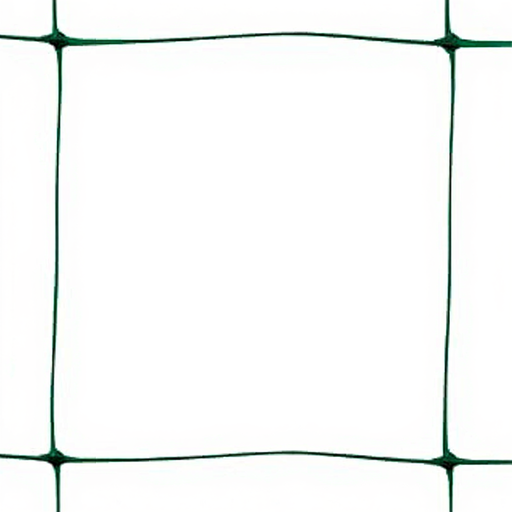
Why we love it: Perfect for small spaces. Its dimensions are ideal for a large planter, a raised garden bed, or a small greenhouse. It provides effective vertical support without taking up much room.
Made from extruded polypropylene, it's treated to resist UV rays and harsh weather. It will last for several seasons without issue, even on a south-facing balcony.
Ultra-lightweight and easy to install, it's perfect for beginners. It offers excellent value for money for anyone starting with vertical gardening.
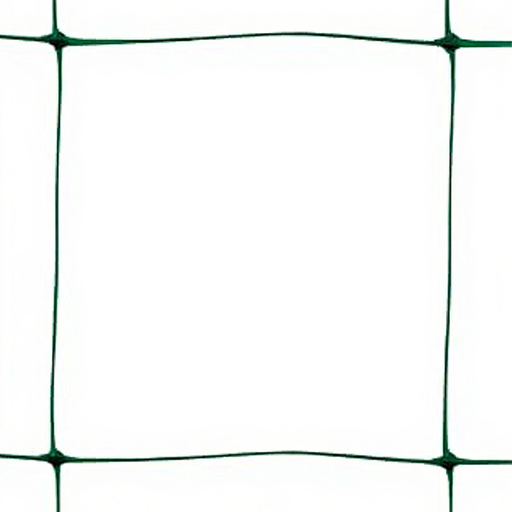
Why we love it: Designed for gardeners who are serious about heavy vegetables (tomatoes, cucumbers, squash...). Its long length is perfect for outfitting an entire row in the vegetable garden.
Its manufacturing process gives it exceptional tear resistance. No more stress about the net collapsing under the weight of a bountiful harvest!
Completely inert, it is not affected by rust, bacteria, or chemicals. Reusable for many years, it's the very definition of a smart and sustainable purchase.
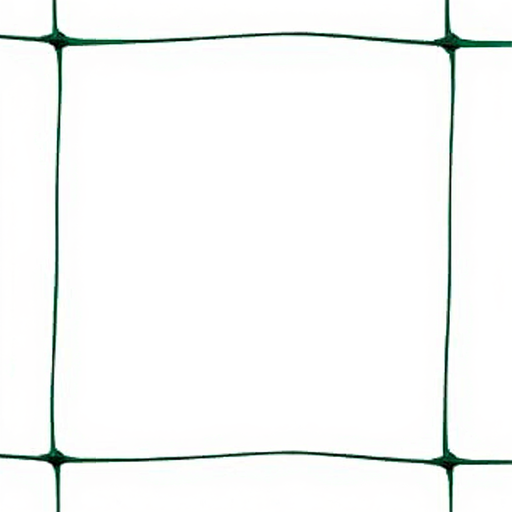
Why we love it: This two-pack provides a total of 40 metres of support. It's enough to equip a large vegetable garden, cover a fence, or tackle multiple training projects at once (vegetables, flowers, fruit trees...).
Made from durable, UV-stabilised plastic, this netting ensures long-lasting performance, season after season. Its green colour blends into the background for support that is as effective as it is discreet.
The large area covered by this pack offers maximum flexibility for organising the vertical space of your entire garden. It's ideal for optimising production and simplifying maintenance.
Explore our full selection of products that meet our standards for quality and durability.
It's very simple. Securely attach the netting to well-spaced vertical supports (wooden or metal stakes, frames, etc.). Stretch it just enough so it won't sag under the weight of the plants, but without over-tightening, which could weaken it. It can be installed vertically (for beans, cucumbers, etc.) or horizontally in layers to support long-stemmed flowers.
A quality, UV-treated polypropylene net can easily last 3 to 5 seasons, or even longer. The trick to maximising its lifespan: at the end of the season, clean off any plant debris, let it dry completely, then store it in a dry place away from light during the winter.
Absolutely. These nets are designed to be cut to your desired size with a simple pair of scissors, without any risk of fraying. This allows you to perfectly fit it to the dimensions of your raised bed, greenhouse, or any other structure.