
Livraison le jour même ou le lendemain

Qualité garantie

Débloquez vos offres de bienvenue: Livraison GRATUITE | Jusqu'à -80 % | 30 jours d'essai gratuits à JoyPlus
Téléchargez l'application
A trellis net for climbing plants helps structure your vegetable garden, save ground space and make harvesting easier. However, you still need to choose a model suited to tomatoes, beans or cucumbers. An incorrectly calculated height, inadequate fixing or unsuitable material can be enough to destabilise the installation once the plants become more substantial.
Before placing your order, whether you grow plants in the ground, in a greenhouse, on a balcony or on a patio, it is best to avoid three common mistakes.
A 10- or 20-metre roll is not enough, on its own, to estimate the area covered. You also need to consider the height: a 1.5 m, 1.7 m or 2 m net will meet different requirements. Measure the space between the posts, fence or greenhouse structure, then allow a few extra centimetres for fixing and tensioning.
Even a polypropylene horticultural net can deform if the anchoring points are too far apart. The weight of the fruit, wind and moisture gradually place pressure on the entire installation. Strength therefore depends just as much on the net as on the posts, crossbars and trellis net fixing.
A tomato net, trellis for beans and peas, or garden net for cucumbers must allow stems and tendrils to attach easily. Mesh that is too fine will make installation and cleaning more difficult, while mesh that is too wide may allow young shoots to slip through. If the mesh size is not specified in the product details, avoid assuming that it will suit every crop.
Polypropylene (PP) is lightweight, flexible and rust-proof, unlike some metal supports. It is particularly suitable for seasonal installations that can be removed after harvesting. Some models also claim to be resistant to bad weather, mould or ultraviolet rays. However, check this information in the product details: it does not mean you can avoid storing the net somewhere dry when it is no longer in use.
Polyethylene is also widely used for vertical growing nets. To choose between two products, compare the material, manufacturing process, potential for reuse and any usage precautions. A statement about resistance does not mean that the net can be used as a load-bearing structure or support a person’s weight.
A climbing net can be installed vertically between two stakes to guide beans and peas. Depending on the layout of your vegetable garden, it can also be stretched horizontally above the crops. The formats included in this selection notably include:
Before starting the installation, quickly sketch out the position of the posts and the desired height. This small step helps you avoid buying a roll that is too short or having to add impractical connectors.
The net must be attached to stable posts, a frame, fence or greenhouse structure. Tension it enough to guide the plants, without pulling it excessively tight. Clips, screws and wall or fence plugs suitable for the surface can complete the installation. On a balcony or patio, also check that the support is sturdy enough before drilling.
The net must never be used as gym equipment, a guard rail or a structure intended to support a load. Wear gloves when cutting and installing it, then keep tools and fixing components out of children’s reach.
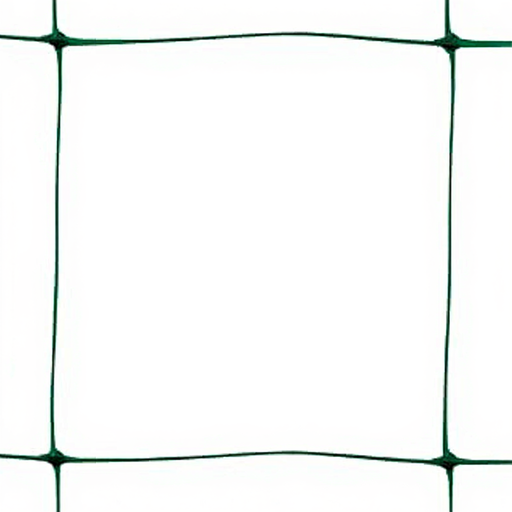
Why this product suits this profile : Measuring 1.5 × 10 m, this net is suitable for a family vegetable garden, small greenhouse or installation along a fence. Its lightweight design makes it easy to handle and cut.
The dimensions are clearly stated, reducing the risk of underestimating the area required. However, it is still essential to provide sufficiently stable supports.
Rectangular 1.5 × 10 m format, lightweight material and the option to install it on posts, a frame or a fence.
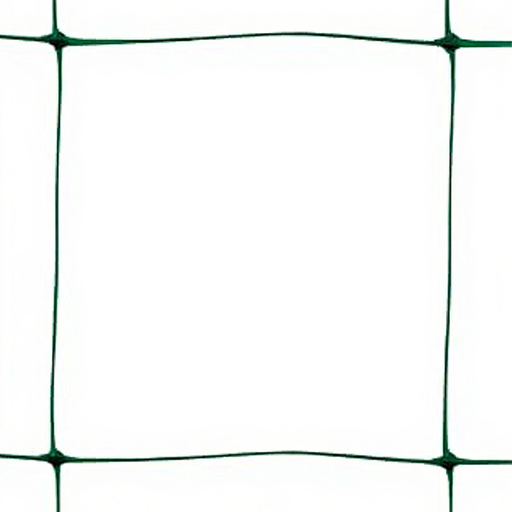
Why this product suits this profile : This pack of two 2 × 20 m nets is aimed at gardeners setting up several rows, a greenhouse or a large plot, with vertical and horizontal trellising requirements.
The large coverage area reduces the need for improvised joins, which often result in uneven tension. The product details state that it is made from polypropylene and resistant to tearing.
Pack of two nets, measuring 2 × 20 m, which can be installed between posts, on a frame or against a fence.
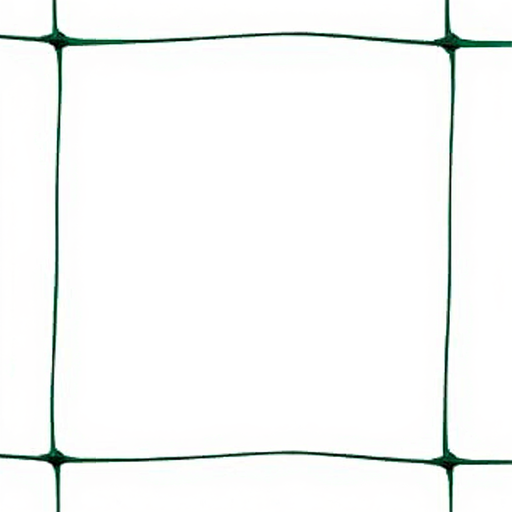
Why this product suits this profile : This format is suitable for substantial crops of tomatoes, beans, peas or cucumbers when vertical trellising needs to cover a large area.
The long roll and design intended for garden supports reduce the need for joins. However, when harvests become heavier, maintaining even tension remains essential.
Pack of two 2 × 20 m nets, lightweight construction and a subtle green colour that blends into the foliage.
For installation on a wall, gate or fence, the Tenax Green Wall Clips for Trellis (6pcs) kit includes six clips, six screws and six wall plugs. The stainless steel screws are designed for outdoor use, but always check the type of wall and whether the plugs are compatible before starting assembly.
We have brought together a comprehensive selection, updated in real time, of products that meet these exacting criteria and European safety standards.
Install posts or a frame at regular intervals, secure the corners first, then gradually tension the sides. Add intermediate ties to prevent the net from sagging. You can then guide young stems through the mesh by hand.
Its lifespan depends on the material, exposure to sunlight, the weight of the crops and the quality of the fixing. At the end of the season, remove plant debris, allow the net to dry completely, then store it somewhere dry and away from heat sources. This simple maintenance will make it easier to reuse.
Start by comparing the height, length and fixing system. A 1.5 to 1.7 m model may be sufficient for one row in a family vegetable garden; a 2 × 20 m vertical growing net will provide greater coverage for several crops. For tomato plants laden with fruit, choose a firmly anchored structure rather than a simple net suspended from flimsy supports.