
Livraison le jour même ou le lendemain

Qualité garantie

Débloquez vos offres de bienvenue: Livraison GRATUITE | Jusqu'à -80 % | 30 jours d'essai gratuits à JoyPlus
Téléchargez l'application
A tray? It seems like a simple object, but the wrong choice can quickly become a headache. Who hasn't cursed at a beautiful wooden tray ruined by a single drop of coffee, or a designer model so heavy it's impractical for daily use? Far from being a mere accessory, a tray is a versatile ally that deserves careful selection, whether it's used for organising, decorating, or carrying.
Before you dive in, let's review the common pitfalls to avoid so you don't throw your money away.
To make the right choice, focus on a few key points that will ensure your long-term satisfaction.
The choice of material directly impacts the durability, maintenance, and how you'll use your tray.
Shape should, above all, serve function. A rectangular tray is often more practical for optimising space on a table or organising items, while a round tray will feel more welcoming for serving drinks and appetisers.
Always check for raised edges to ensure safe transport. For a storage tray, the ability to stack multiple units is a major plus for saving space. Finally, weight is a decisive factor?: a serving tray must remain lightweight, even when fully loaded.
Here is a selection of trays that meet specific needs and tick all the right boxes, avoiding the pitfalls we've discussed.
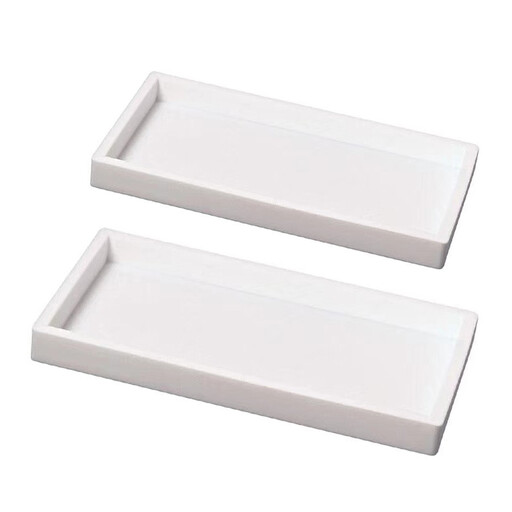
Why we love it : Perfect for organising toiletries on a sink countertop or spices in the kitchen. Silicone is naturally waterproof, non-slip, and cleans up with a simple wipe.
Its solid silicone construction eliminates any risk of rust, stubborn stains, or peeling coatings—common problems with low-end metal or painted plastic trays.
Sold as a set of two, it offers a cohesive and versatile organisation solution for multiple areas of the home.
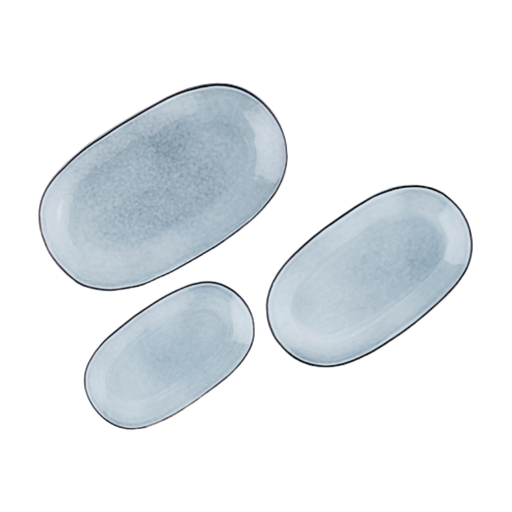
Why we love it : Its minimalist design and storm grey finish blend into most interiors. Available in three sizes, it's just as suitable for a solo coffee as it is for drinks with friends.
It features raised edges that effectively prevent spills—a major design flaw in many beautiful but impractical trays.
Its polypropylene construction makes it lightweight and easy to handle. Bonus : the different sizes are stackable for optimised storage.
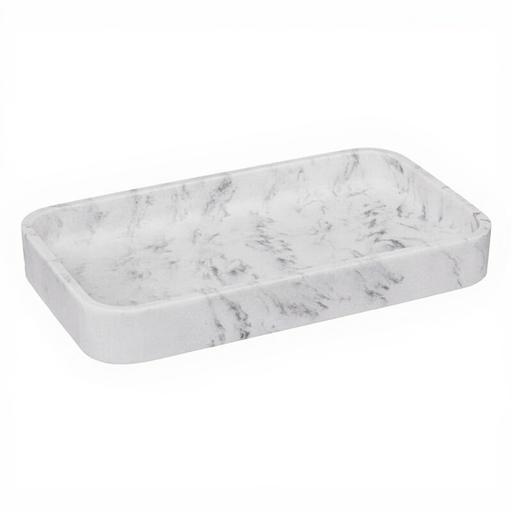
Why we love it : Its compact size and sophisticated finish make it a decorative object in its own right. It's perfect as a catch-all tray in an entryway, for displaying jewellery on a dresser, or for organising cosmetics.
Made of resin, its marbled effect is integrated into the material itself. This makes it far more resistant to wear and cleaning than a simple decorative film that would eventually peel off.
It offers the luxurious aesthetic of marble without the drawbacks (porosity, fragility, weight), all in a lightweight and versatile format.
Discover our complete and up-to-date selection of trays that meet our quality criteria and safety standards.
It all depends on the material. For silicone, polypropylene, or resin, a damp cloth with a little mild soap is sufficient. Avoid abrasive sponges that could scratch the surface. For porcelain, hand washing is best to protect any patterns. As for wood, use a barely damp cloth and dry it immediately to prevent water from penetrating and staining the surface.
Not always. You must first check if the material is certified as food-safe, which is not always the case for resin or certain treated metals. Furthermore, a decorative tray is generally not designed to support the weight of full glasses or plates. For serving, opt for models specifically sold as a serving tray?: they guarantee both food safety and the necessary sturdiness.
Silicone is flexible, completely waterproof, and non-slip, which is perfect for preventing bottles from sliding around. Resin, on the other hand, is rigid and offers a more decorative finish, similar to stone or ceramic. It resists water well but can be more susceptible to chipping. The choice therefore depends on your priority?: pure functionality (silicone) or aesthetics above all (resin).