
Livraison le jour même ou le lendemain

Qualité garantie

Débloquez vos offres de bienvenue: Livraison GRATUITE | Jusqu'à -80 % | 30 jours d'essai gratuits à JoyPlus
Téléchargez l'application
A long journey by plane, train, bus or car can quickly become uncomfortable when your head lolls, your neck lacks support, or the cushion takes up too much room in your luggage. Yet choosing a travel neck pillow isn't simply a matter of picking the thickest model or the one that promises universal comfort.
Some common pitfalls keep cropping up:
So, to choose a travel neck cushion, it's best to compare the material, dimensions, type of transport and adjustment options.
An inflatable neck pillow stands out for its small size when deflated. It's particularly suitable for travellers who regularly switch between different modes of transport. Easy to clean, PVC does need to be protected from sharp objects and repeated friction.
Memory foam provides more stable support and requires no preparation. On the downside, it takes up more space and can be heavier. An ergonomic memory foam pillow is generally more suited to regular use, in a bed, at the office or on frequent journeys.
Models with expanding foam or a built-in inflation system offer an interesting compromise between size and speed of setup. However, do check the inflation method and whether you can adjust the firmness.
The stated height alone isn't enough to judge comfort. A car neck cushion also needs to take into account the position of the headrest and the space available between your head and the seat back.
On a plane or train, a wraparound shape can limit sideways movement. For the driver, the cushion must not hinder head rotation or alter the posture needed for driving. Unless the manufacturer states otherwise, it's best to use it as a rest accessory during a break or reserve it for a passenger.
A neck support cushion with an adjustable strap will stay in place more easily. If you sleep in several positions, also consider the width of the contact areas and the firmness of the central section.
A removable, washable cover makes maintenance easier, especially if the cushion is used on public transport or when camping. On inflatable models, a leak-proof valve and durable material reduce the risk of punctures, without eliminating them entirely.
Also remember to check:
Labels such as "anti-neck pain pillow" should be taken with a pinch of salt. A cushion can improve the feeling of support, but it is not a medical device. If you have persistent discomfort, it does not replace the advice of a healthcare professional.
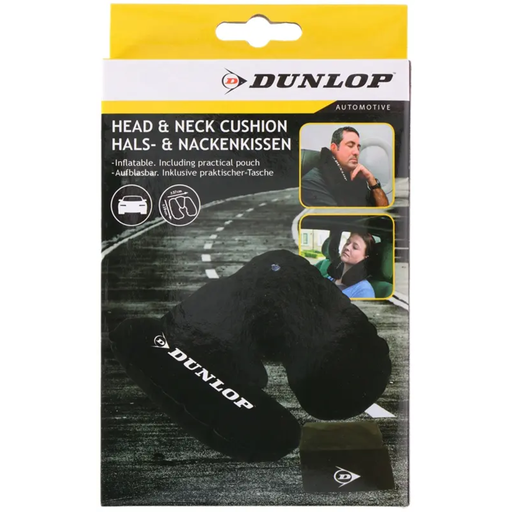
Why this choice suits this profile: This inflatable travel neck pillow is ideal for first-time buyers and occasional trips by car, train, bus or plane. At a stated 100 g, it's easy to carry around.
Its simple operation and compact size when deflated reduce the risk of buying a bulky accessory.
PVC, inflatable design, stated 100 g weight and cleaning with a soft, damp cloth.
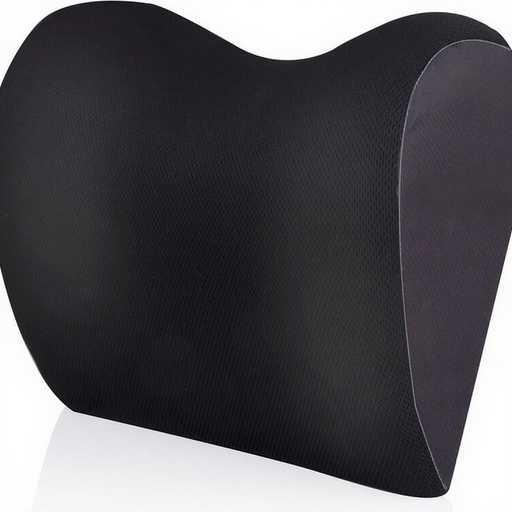
Why this choice suits this profile: This car neck cushion is aimed at drivers during breaks and passengers who regularly make long journeys. Its adjustable strap allows it to be fitted to the bars of many headrests.
The stated universal compatibility should be checked against the shape and bars of your seat before purchase. This will help you avoid nasty surprises during installation.
Stated 100% memory foam, dimensions of 23 × 10 × 20 cm and a removable mesh cover.
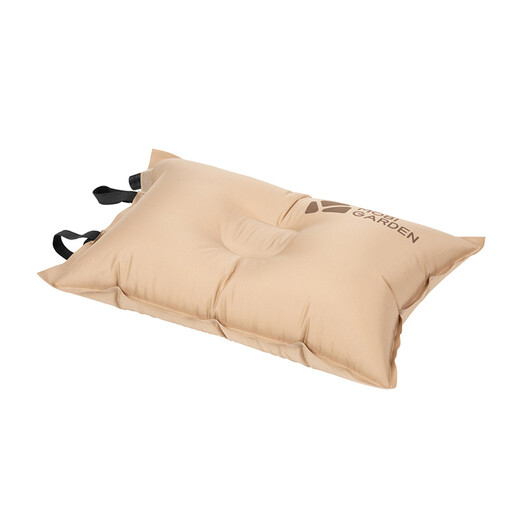
Why this choice suits this profile: This model can serve as a neck cushion, a pillow for sleeping while travelling, or lumbar support during a nap at the office or an outdoor trip.
Its folded size of 30 × 10 × 5 cm and one-way valve meet the storage and inflation demands of outdoor use.
Stated weight of around 260 g, moisture-resistant 210T polyester fabric and adjustable inflation by adding air.
With an inflatable model, start with a moderate inflation, then gradually increase the pressure until you reach the desired firmness. A cushion that's too hard can push your head forwards; one that's too soft may lack support. Close the valve carefully before settling in.
For a memory foam model, let the cushion regain its shape after unpacking, following the manufacturer's instructions. Air it for 24 to 48 hours if recommended to dissipate any manufacturing odours.
Clean the surface with a damp cloth and use only the products specified by the manufacturer. Avoid washing the foam core in a machine, leaving it in direct sunlight for long periods, or storing the cushion while it's still damp.
Open the valve, inflate gradually, then test the support while sitting down. Some models use a standard valve, while others have a built-in squeeze system. The firmness should be adjustable without putting excessive pressure on your neck.
Its lifespan depends on how often you use it, how many times it's folded and the storage conditions. Keep it away from metal zips, sharp objects and heat sources. A leak, a valve that no longer closes properly, or material that starts to degrade are all signs that it's time to replace the cushion.
Not necessarily. A model designed for a bed can prove too bulky on a plane or in a car. For travel, compare its folded volume, height and stability with your usual sleeping position. People who sleep on their side, back or front may prefer a structured foam, while an occasional traveller will often turn to an inflatable, compact model.