
Livraison le jour même ou le lendemain

Qualité garantie

Débloquez vos offres de bienvenue: Livraison GRATUITE | Jusqu'à -80 % | 30 jours d'essai gratuits à JoyPlus
Téléchargez l'application
Packing a suitcase is often a real headache: how do you fit everything you need without having to sit on your luggage to close it? The promise of a travel compression bag is tempting: shrink the volume of your clothes to optimise every square inch. Yet, many travellers end up disappointed by products that don't live up to their claims. Before you make a choice, it's crucial to know the common pitfalls to avoid turning a good idea into a travel nightmare.
The most common disappointments stem from design flaws that are as simple as they are critical:
Good suitcase organisation starts with choosing reliable gear. Let's break down the criteria that truly make a difference.
To be sure you'll save space in your suitcase in the long run, you need to look beyond the marketing claims. Three technical points are crucial.
There are two main types of travel compression bags:
The sturdiness of a vacuum travel bag directly depends on its composition and thickness, measured in microns.
The best compression in the world is useless if the bag doesn't stay perfectly airtight. The closure is the critical point. Opt for models equipped with a double-zip closure. This system provides extra security against air leaks. The small plastic slider often included with the bags is a real bonus: it allows you to pinch the closure firmly along its entire length, ensuring a foolproof seal.
The right bag depends on your travel habits. Here is a selection of products tailored to specific needs.
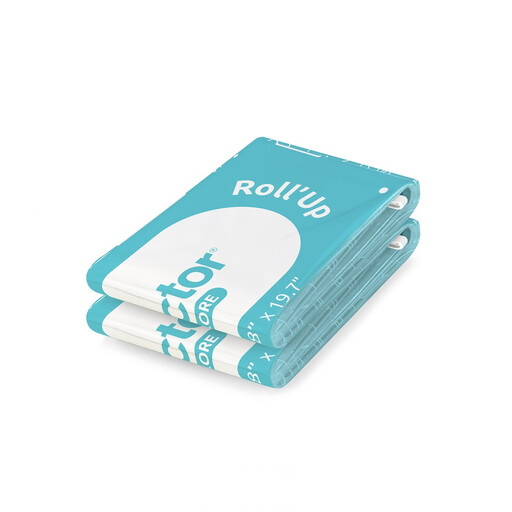
Why we chose it: For weekend getaways, business trips, or holidays with only a carry-on, simplicity is the name of the game. This roll-up system requires no accessories and is very quick to use, whether you're in a hotel or a hostel.
This model eliminates the risk of a pump: there's no accessory to lose or carry. Compression is done manually by simply rolling the bag. A reliable and 100% self-sufficient system.
Fully self-sufficient and reusable. Ideal for staying organised and compact with no technical hassle.
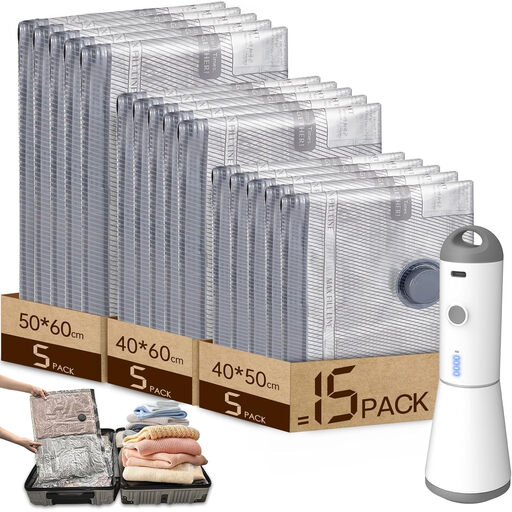
Why we chose it: For long trips, family holidays, or storing off-season clothes, compression performance is the number one priority. This complete kit with a cordless electric pump allows you to compress a large volume of laundry quickly and effortlessly.
The cordless pump is compact and USB-rechargeable, making it infinitely more practical than a household vacuum. The set of 15 bags in various sizes and the polyamide/polyethylene material are designed for heavy use.
Maximum compression with zero effort thanks to the pump. The double-zip system ensures a perfect seal.
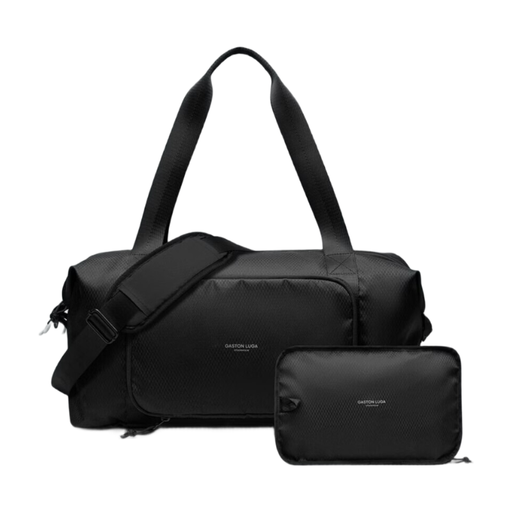
Why we chose it: Sometimes the problem isn't the volume on the way out, but on the way back, with all the souvenirs and unexpected purchases. This packable duffel bag is a brilliant alternative. Tucked into your suitcase, it unfolds to hold all the extras, saving you from overstuffing your main luggage or paying for an extra bag at the airport.
It sidesteps the compression problem by offering extra packing space. Made from waterproof recycled polyester, it's far more durable than a simple tote bag and folds into its own pouch.
Versatility and lightness. It serves as a backup travel bag, a gym bag, or a daily carry-all.
We've compiled a complete, up-to-date selection of products that meet our standards for quality and durability.
For most fabrics like cotton, wool, or synthetics, compression is not a problem. However, it's not recommended for very delicate materials (silk, leather) or for clothes that wrinkle easily and require careful ironing, such as suits or linen shirts. For down jackets, compression is possible, but be sure not to keep them compressed for too long to allow the feathers to regain their natural loft.
The lifespan depends on the quality of the material, the closure, and of course, how well you take care of it. A well-made model with a thickness of at least 55 microns and a double-zip closure can be reused dozens of times. To extend its life, avoid overfilling it, folding it at the valve, or letting it come into contact with sharp objects.
In terms of volume reduction, bags with a pump (especially an electric one) are clearly more effective, capable of reducing volume by up to 80% according to manufacturers' claims. Roll-up bags offer a respectable reduction of around 50%. The choice therefore depends on your priority: if you're aiming for maximum compression for bulky items, a pump is a real plus. If you prioritise simplicity, lightness, and complete autonomy, the roll-up system is unbeatable for travel.