People who cook with the oven regularly
You make gratins, roasts, bakes or several dishes at once. In that case, oven capacity and cooking modes matter more than having lots of functions packed into a compact appliance.


If you often cook large dishes or several things in the oven at once, start by looking at the capacity and cooking modes of a traditional oven. If you’d rather reheat, defrost and cook in one appliance, consider a built-in or countertop combi model, depending on the space you have. However, research by ADEME and the National Consumer Institute found that combi ovens’ results vary depending on the dish, model and brand. Extra features alone aren’t enough to set one appliance apart from another.
You make gratins, roasts, bakes or several dishes at once. In that case, oven capacity and cooking modes matter more than having lots of functions packed into a compact appliance.
You want to combine oven cooking, reheating and defrosting in a compatible housing unit. Check that the dimensions and interior capacity also suit the meals you usually prepare.
You want one countertop appliance for reheating and some convection or grilling. The space it needs around it and the size of your dishes are still key considerations.
Consider it if: large dishes and regular oven cooking are your priorities.
Bear in mind: you’ll need another appliance for microwave reheating and defrosting.
Consider it if: you want to combine microwave and oven cooking in a compatible housing unit.
Bear in mind: a compact cavity may limit the dishes and tins you can use, so check its internal dimensions.
Consider it if: you’d rather combine several functions on your worktop than in a housing unit.
Bear in mind: it takes up worktop space, and its internal dimensions need to suit the dishes you prepare.
| Criterion | What to check | Who this matters to |
|---|---|---|
| Cooking capacity | Compare the internal dimensions with your dishes, then check which shelf positions you can use. | When I need to cook several portions or dishes in the oven, I want to avoid cooking in multiple batches. Around 37% of consumers would make capacity their top priority. |
| Combined functions | Check the model’s microwave, convection and grill modes, as well as any accessories you’ll need. | If I regularly reheat, defrost and cook, I’d rather do it all with one appliance. Versatility would be the top priority for around 27% of consumers. |
| Space and installation | Measure the housing unit or countertop space, and follow the clearances specified in the instructions. | In a kitchen where every bit of space counts, I need to find an appliance that fits without getting in the way of other uses. Around 18% of consumers would put this constraint first. |
| Comparable energy use | When comparing two energy-use figures, check that they relate to comparable appliances and cooking cycles. | I want to take the energy used for cooking into account without comparing figures that don’t describe the same use. This would be the top criterion for around 18% of consumers. |
Having several modes in one appliance doesn’t guarantee the same results for every dish. Research by ADEME and the National Consumer Institute found that results vary depending on the dish, model and brand.
Make a note of how you’ll actually use the appliance, then check which modes the model offers and whether your dishes will fit inside.
The stated capacity doesn’t tell you by itself whether a tin, a wide dish or several items will fit inside the cavity.
Compare the internal dimensions, turntable (if there is one) and shelf positions with the dishes you use.
A figure recorded for an oven cooking cycle won’t necessarily reflect how an appliance that combines oven and microwave functions is used.
Before comparing two models based on their stated energy use, check which cooking mode and conditions each figure relates to.
The range includes traditional built-in ovens and compact built-in ovens with a microwave function.
The brand offers countertop combination microwaves that bring several cooking modes together.
The EOC8P29X built-in oven offers another approach: adding cooking modes to a traditional oven rather than building in a microwave.
These appliances suit two ways of preparing meals: a traditional built-in oven for oven cooking, and countertop combination microwaves that bring reheating and cooking together. Your choice will depend in part on the space available and the size of your dishes.
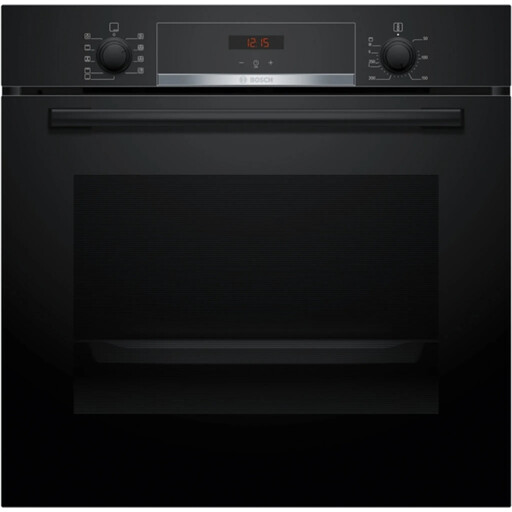 Image unavailable
Worth considering if you regularly cook dishes in the oven and have a suitable housing unit.
The title gives a capacity of 71 L and lists 3D Hotair. It also describes the appliance as a double oven, while the description refers to a single compartment. Confirm its configuration before ordering.
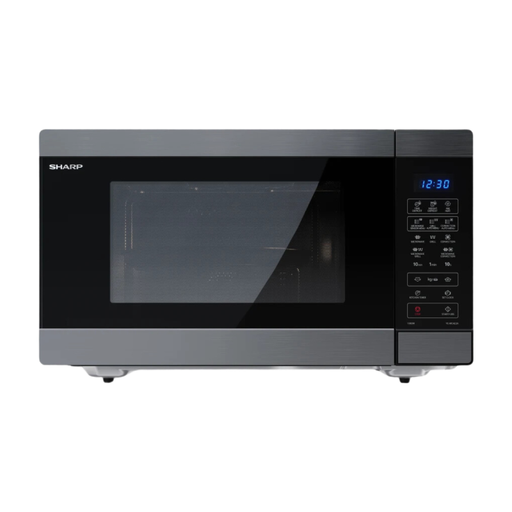 Image unavailable
Consider it if you want one countertop appliance for reheating and cooking.
The stated capacity is 42 L. Compare the internal dimensions with your dishes and make sure you have enough space for it on your worktop.
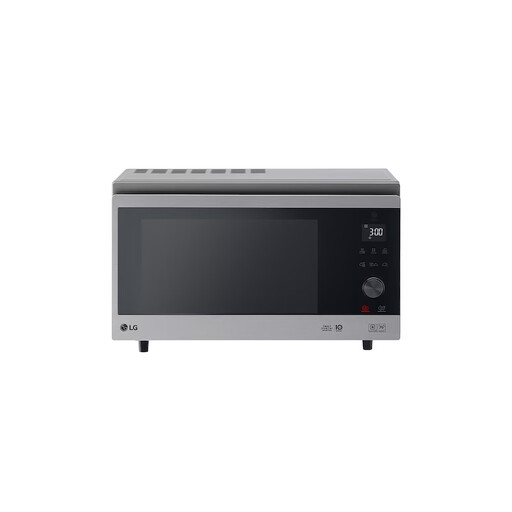 Image unavailable
Worth considering if you’re looking for a countertop appliance for reheating and a range of cooking tasks.
Its stated capacity is 39 L. Check the usable dimensions of the cavity and the space available before choosing this model for the dishes you usually prepare.
No. Research by ADEME and the National Consumer Institute found that results vary depending on the dish, model and brand, with no consistent advantage for combi ovens over convection ovens. Choose based on the dishes you often prepare and the functions you genuinely need.
Measure the housing unit and compare it with the installation dimensions for the specific model, then check that your dishes will fit inside the cavity. To compare different formats, Bosch lists appliance dimensions of 455 × 594 × 548 mm for its CMG7241B1 compact combi oven. These dimensions don’t replace those of the housing unit required.
No, not if the figures relate to different cycles and cooking modes. Check what each figure measures before drawing conclusions about the meals you prepare.