
Livraison le jour même ou le lendemain

Qualité garantie

Débloquez vos offres de bienvenue: Livraison GRATUITE | Jusqu'à -80 % | 30 jours d'essai gratuits à JoyPlus
Téléchargez l'application
Buying toys for children and pets might seem straightforward… until you start comparing the recommended age, the build quality, the durability or even the noise level. Between the flashy light effects that don’t quite live up to the hype, accessories that sometimes aren’t even in the box, and dimensions that just don’t work, some purchases can quickly turn into a disappointment.
To avoid any nasty surprises, it’s best to start with the intended use: quiet play or physical activity, indoors or outdoors, a child under 3, a pet that loves to chew, a birthday gift or a moment to share together. Here are the points to check before you place your order.
A toy presented as suitable for the whole family can still contain small parts, removable components or projectiles. For toys for babies, the age stated on the packaging must be taken seriously. A product intended for children aged 3 and over should not be given to a toddler, even if they can already handle certain objects.
For spinning tops, bows or construction sets, also check the warnings regarding eyes and face. Adult supervision may also be essential.
Light-up and sound toys powered by batteries can create an ongoing cost. You need to distinguish between models that use standard batteries, USB-rechargeable products, and toys that work without any power source at all.
A clear product page should specify the type of batteries, whether they are included in the box, any cable supplied, and storage precautions. Batteries must be kept out of reach of children and removed if the toy is not used for a long period.
A thick outer shell does not guarantee that a toy will withstand repeated knocks. Instead, look at the wheels, the fixings, the moving parts and any elements that could come loose. For a cat toy or an interactive dog toy, supervision is still essential: no single model suits every temperament or every chewing habit.
The recommended age is a good starting point, but it’s not enough on its own. For a toy for children aged 3 and over, examine the size of the pieces, how easy they are to grip, and whether there is any sound mechanism. For a baby, choose shapes that are easy to hold and surfaces that are simple to clean.
Where the toy will be used also matters. A remote-controlled vehicle needs a clear, open space, whereas a construction set or a figurine will fit more easily indoors. Outdoor toys should be used in a suitable area, away from roads, stairs and fragile objects.
What a toy is made from gives you valuable clues about how to care for it and how tough it is. ABS plastic, metal, silicone, fabric and foam all behave differently. Check for hinged parts, screw-secured battery compartments, and accessories that are properly fixed on.
For toys intended for pets, regularly inspect the seams, ropes, squeakers and any sound-making parts. At the first sign of wear, or as soon as any component becomes accessible, it’s best to remove the toy.
An interactive toy may include sounds, lights, a motor, a remote control or a detection system. Where the information is available, check the stated range, the charging time and the accessories included.
Electronic products are generally cleaned with a dry or slightly damp cloth, and should not be submerged. To make life easier, a rechargeable or battery-free model can also save you from repeated fiddling.
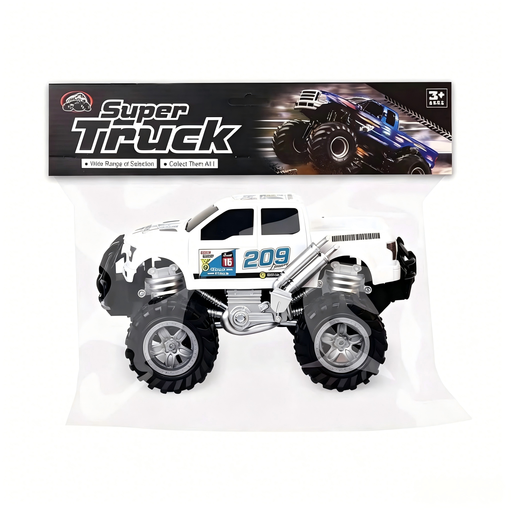
Why this choice suits this profile: This friction-powered vehicle runs without batteries and works just as well for racing as it does for small stunt games, indoors or on a suitable outdoor surface.
The lack of batteries keeps recurring costs down and avoids the hassle of recharging. However, small parts should be kept away from children under 3 years old.
Inertia propulsion, non-slip tyres and spring suspension. Clean with a dry or slightly damp cloth.
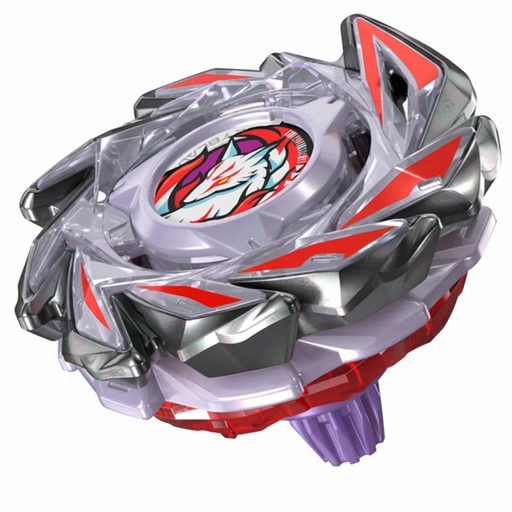
Why this choice suits this profile: This collector’s option is aimed at children aged 8 and over who want to launch their spinning tops and compare them in a structured play setting.
The pack clearly states that it includes the spinning top, launcher and starter components. The recommended age, presence of small parts and face protection must all be observed.
Hasbro licence, plastic and metal components, right-hand launch and ready-to-use box set.
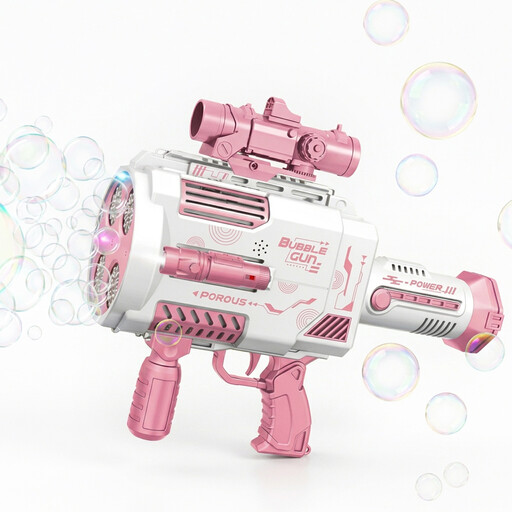
Why this choice suits this profile: This rechargeable bubble machine fits right in at birthday parties, picnics and outdoor activities that call for repeated, light-up entertainment.
The built-in battery and USB cable mean you don’t have to keep buying batteries. However, you do need to remember to recharge it, protect the electronics from water and use a compatible bubble solution.
48 holes, light effects, built-in 1,200 mAh lithium battery and two bottles of solution reportedly included in the box.

Why this choice suits this profile: Its wing movements, sounds and USB-C charging are designed to offer indoor cats occasional independent activity.
The product page specifies indoor use, recharging and the need to supervise your pet to prevent them from ingesting small parts.
Animated wings, duck sound, catnip compartment and USB-C rechargeable battery. The product is not waterproof.
We’ve put together a comprehensive, real-time updated selection of products that meet these exacting criteria as well as European safety regulations.
Start by checking the age stated on the packaging, the size of the pieces and whether there are any removable parts. A magnetic construction set, a friction car or a figurine can meet different needs, but supervision is still recommended whenever the product contains small parts.
It can reduce the need to buy batteries, but its real cost depends on how often it’s used, the charging time and the battery’s lifespan. Check the cable supplied, the type of connector and the storage instructions.
Consider your pet’s behaviour, size and tendency to chew or shred things. Choose a model whose different parts can be inspected regularly, use it under supervision and remove it as soon as any piece comes loose.