
Livraison le jour même ou le lendemain

Qualité garantie

Débloquez vos offres de bienvenue: Livraison GRATUITE | Jusqu'à -80 % | 30 jours d'essai gratuits à JoyPlus
Téléchargez l'application
A bathroom towel rack might seem like a minor detail, but this accessory is essential for keeping your space organised and hygienic. The wrong choice can quickly become a daily nightmare: rust, loose fittings, towels that never dry... To help you make a smart, long-lasting purchase, we've broken down the common mistakes to avoid and the key criteria to look for.
Marketing often highlights design, but certain flaws in construction or materials can render a towel rack useless in just a few months. Here are the points to watch closely.
To make the right choice, focus on a few key features that guarantee the longevity and practicality of your bathroom towel holder.
The choice of material is crucial. For a metal towel rack, prioritise options known for their corrosion resistance:
designer towel rack, it is durable, provided the chrome layer is thick and well-applied.The type of installation depends on your wall and your specific needs.
wall-mounted towel rack: This is the most robust and long-lasting solution. It's ideal for supporting several heavy towels, as long as you use wall anchors appropriate for your wall type (drywall, brick, tile).Good bath towel storage should be practical. Check two key dimensions:
towel bar is a comfortable standard for spreading out a large bath towel without folding it multiple times.Every bathroom and every need is unique. Here is a selection of models that cater to specific situations, taking into account our criteria for durability and practicality.
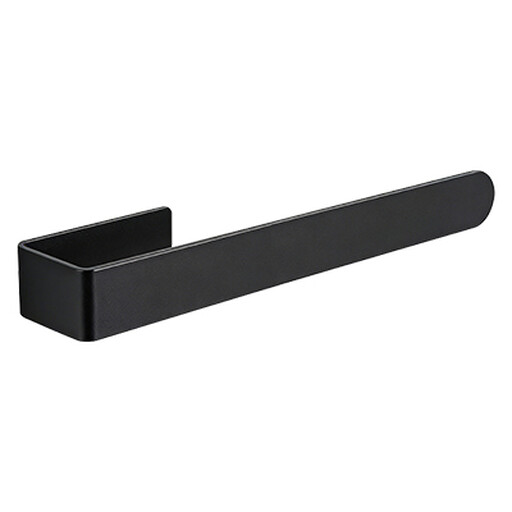
Why we love it: Ideal for small bathrooms, it combines a towel bar with hooks for hanging a bathrobe or washcloth, all on one compact wall-mounted unit.
Made of stainless steel, it is not susceptible to rust. The screw-in wall mount ensures a rock-solid hold, unlike unreliable adhesive solutions.
Dual function (bar + hooks) for maximum space-saving. Corrosion-resistant material.
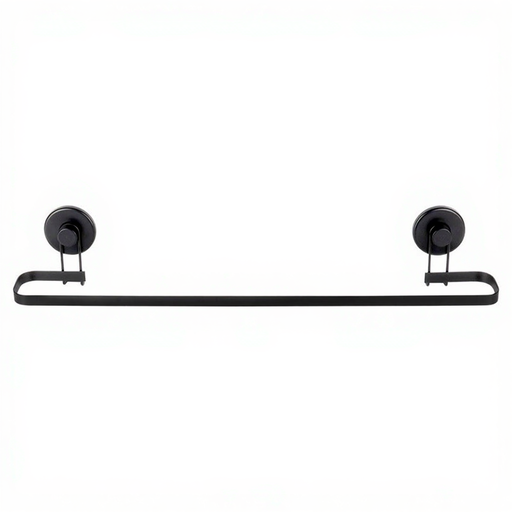
Why we love it: For fans of modern aesthetics and clean lines. Its 60 cm width is perfect for a bath towel, and its design elegantly integrates into contemporary decor.
Its 8.5 cm depth ensures optimal distance from the wall, avoiding the poor-drying pitfall. Its quality metal construction is designed to withstand humidity and wear.
Sleek design and generous dimensions (`60 cm towel rack`). Optimised design for efficient drying.
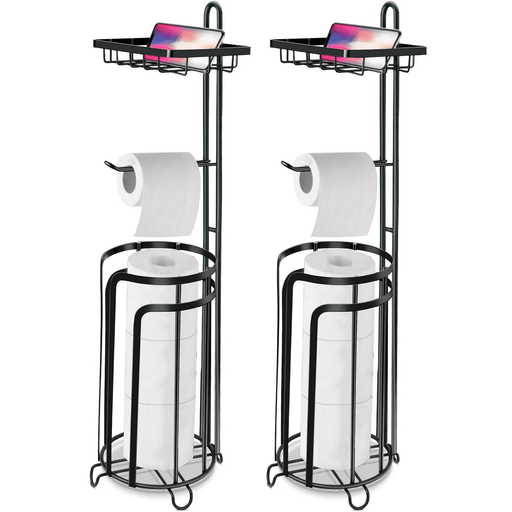
Why we love it: Perfect for renters or anyone who wants to avoid drilling into their walls. This freestanding rack is portable and offers multiple bars to organise towels for the whole family. The set of two allows you to create a coordinated solution.
It completely eliminates the risks associated with wall mounting. Its flat steel structure is stable, and the different tiers are well-spaced to promote air circulation and fast drying.
No installation required; a portable and versatile solution. Multi-level structure for optimised storage.
We have compiled a complete, up-to-date list of products that check all the boxes for our selection criteria and safety standards.
Longevity mainly depends on the type of metal and its treatment. A towel rack made of 304 stainless steel or anodised aluminium can last for many years, even over a decade, without any signs of corrosion. Conversely, low-end chrome-plated steel models can start to rust after just one or two years in a very humid environment. Regular maintenance (a simple wipe with a soft cloth) will extend its lifespan.
Drilling into tile requires a few precautions. Use a specific drill bit for tile or ceramic (diamond-tipped or spear-headed). Place a piece of masking tape on the drilling spot to prevent the bit from slipping. Drill at a slow speed and without your drill's hammer function to avoid cracking the tile. Once you are through the tile, you can switch to a standard drill bit suitable for the wall material behind it.
Yes, but under certain conditions. Models equipped with high-performance adhesives (like 3M VHB) can support several kilograms. The key to success is preparation: the surface must be perfectly clean, dry, and non-porous (smooth tile, glass, metal). Scrupulously follow the manufacturer's recommended curing time (often 24 to 72 hours) before hanging anything on it. And of course, always check the maximum load capacity indicated on the packaging.