
Livraison le jour même ou le lendemain

Qualité garantie

Débloquez vos offres de bienvenue: Livraison GRATUITE | Jusqu'à -80 % | 30 jours d'essai gratuits à JoyPlus
Téléchargez l'application
Improperly calibrated tightening is a recipe for disaster?: an overtightened screw cracking a motherboard, a stripped thread on a carbon bike frame, or a leaking cylinder head gasket. Whether you're a weekend mechanic, a maintenance pro, or an enthusiast building your own PC, precision isn't a luxury—it's a necessity. The torque screwdriver is the exact tool that guarantees this perfect tightening, delivering the precise torque value recommended by the manufacturer.
This guide breaks down the essential criteria and presents a selection of models suited for every application, from high-end electronics repair to automotive maintenance.
Before you settle on a model, there are a few key concepts to master to ensure the tool perfectly matches your needs.
Torque, expressed in Newton-metres (N.m), varies dramatically depending on the application. Assembling an electronic component requires very low torque (often less than 1 N.m), while automotive mechanics can demand over 100 N.m. Identifying the most common torque settings for your projects is therefore crucial. Choosing a tool with an adjustable torque range that matches your requirements is the best way to prevent damage to your equipment.
A good tool often comes with a comprehensive bit set. The quality and variety of the bits (flathead, Phillips, Torx, hex) are critical. S2 steel bits, for example, are known for their durability. Also, check the compatibility of the bit holder (often 1/4-inch for precision work, 3/8 or 1/2-inch for mechanics).
We have selected a few top picks for you, each catering to specific needs, from micro-screws to stubborn nuts.
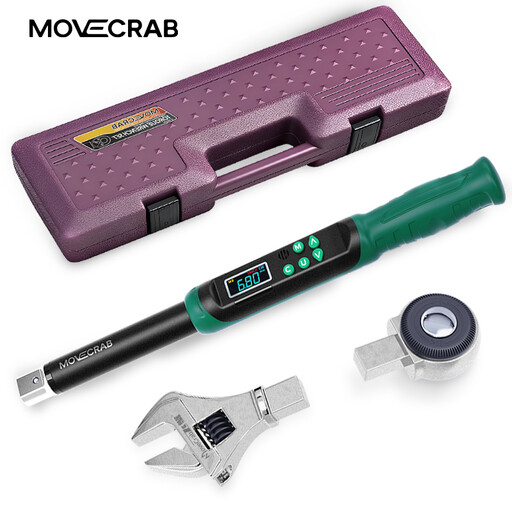
Why It Stands Out?: This tool is built for jobs that demand both strength and finesse. Its wide torque range and interchangeable heads make it a versatile ally in the workshop.
Highlights?:
Who Is It For??: DIY or professional mechanics working on cars, motorcycles, or industrial machinery who need a reliable automotive maintenance tool with precise digital control.
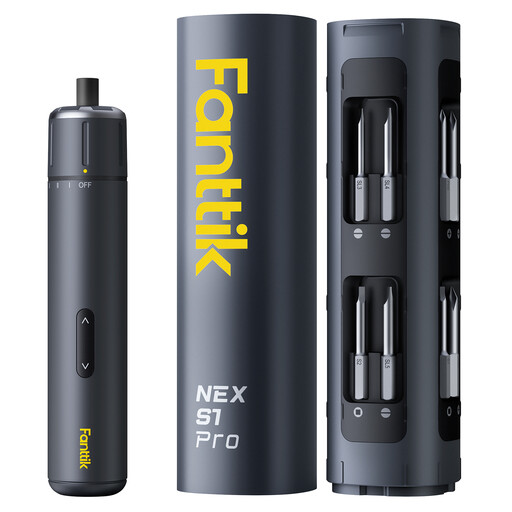
Why It Stands Out?: The Fanttik S1 Pro is the perfect blend of design, ergonomics, and performance. It excels at assembly tasks that require speed without sacrificing control.
Highlights?:
Who Is It For??: High-tech enthusiasts who build their own PCs, model-making hobbyists, and anyone who regularly assembles flat-pack furniture and wants a precision electric screwdriver that is both efficient and comfortable to handle.
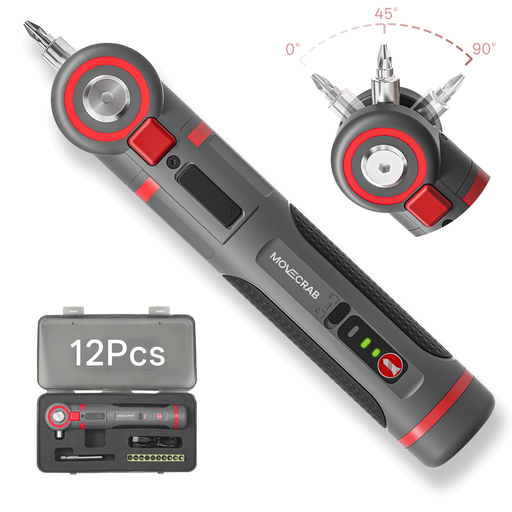
Why It Stands Out?: Its pivoting head (0°, 45°, 90°) is its main advantage?: it allows you to reach the most inaccessible screws, a common scenario in electronics repair.
Highlights?:
Who Is It For??: Technicians and DIYers specialising in the repair of small devices (phones, laptops, drones) who need a compact, versatile tool capable of working in the tightest angles.
Our selection covers the most common uses, but your project might be unique. Specific torque range, rare bits, advanced features... Feel free to explore our full catalogue to find the perfect tool.
? Discover our full range of torque accessories
A regular screwdriver is for driving or removing screws, and that's it. The force applied depends entirely on your wrist. In contrast, a torque screwdriver or torque wrench is a precision instrument that ensures a specific, preset amount of torque is applied. This is essential whenever over- or under-tightening could damage equipment or compromise safety.
This value is almost always provided by the equipment or part manufacturer. You must consult the user manual, the product's technical data sheet (for a carbon fibre bike component, for example), or your vehicle's service manual. In mechanics, you never guess?: you measure.
Absolutely, for its intended purpose. A precision electric screwdriver is designed for low-torque tasks (typically under 10 N.m). Its various torque levels are calibrated for jobs like PC building or assembling flat-pack furniture. For these applications, it offers more than enough accuracy, along with a significant time saving. For heavy-duty mechanics, however, a manual or digital torque wrench remains the reference tool.