
Livraison le jour même ou le lendemain

Qualité garantie

Débloquez vos offres de bienvenue: Livraison GRATUITE | Jusqu'à -80 % | 30 jours d'essai gratuits à JoyPlus
Téléchargez l'application
A twinge of pain when you drink something cold, discomfort while brushing, or gums that bleed can easily tempt you to grab the first toothpaste for sensitive teeth and gums you see. However, not all formulas target the same issues. Some focus on tooth sensitivity, others on plaque, freshness, or removing surface stains.
Before comparing brands like parodontax, Sensodyne, Oral-B or Signal, it’s worth taking a moment to spot the marketing claims that could steer you towards a product that isn’t right for you.
A whitening toothpaste for sensitive teeth typically works on surface stains caused by coffee, tea or tobacco. It won’t necessarily change the natural shade of your tooth. A formula that is too abrasive can also prove uncomfortable for people prone to tooth sensitivity.
So, look for phrases like “gentle cleaning” or “removes surface stains”, rather than a vague promise of a transformed smile.
A toothpaste designed for bleeding gums can complement a good oral hygiene routine, particularly by helping to limit plaque along the gum line. However, repeated bleeding, pain, swelling or persistent bad breath should prompt you to see a dentist.
Toothpaste is not a substitute for a diagnosis or the treatment prescribed by a healthcare professional.
A very minty taste doesn’t guarantee that a toothpaste will suit a sensitive mouth. Similarly, a multi-pack of tubes is only worthwhile if its ingredients, expiry date and your rate of use match your habits.
Always check the label, the list of ingredients, the fluoride concentration and the condition of the packaging.
For daily adult dental care, fluoride toothpaste remains a common choice. Several products featured here have a fluoride content between 1,400 and 1,450 ppm, including those from parodontax, Oral-B, Sensodyne and Teraxyl.
You should always verify this information on the packaging itself. Also, avoid swallowing the product and follow the usage instructions, especially if you already use other products containing fluoride.
Some formulas combine several functions. Colgate Total, for example, lists potassium nitrate, stannous fluoride and sodium fluoride in its ingredients. The product page presents these as being for daily hygiene, tooth sensitivity and cavity protection.
A 75 ml tube is fine for everyday use, but needs vary depending on how often you brush and how many people use it. A multi-pack toothpaste of two, three, four or even twelve tubes can reduce the frequency of repurchasing. However, this format is less suitable if you first want to check that you tolerate the formula well.
Compare the total price, the number of tubes and the combined volume. Store the products away from heat and check the date on each pack.
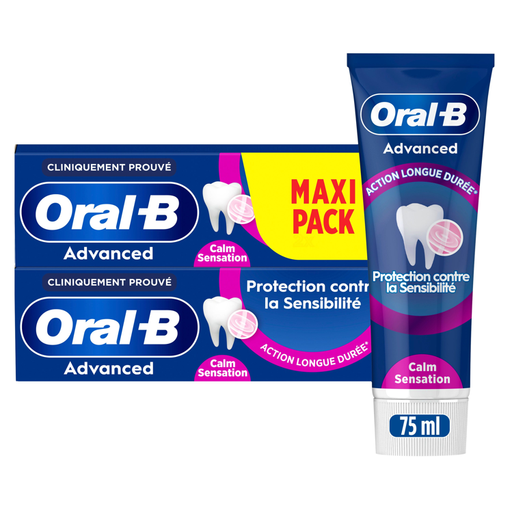
Why this choice suits this profile: With two tubes, you can start a routine for sensitive teeth without being left with a stock that’s hard to use up.
The product page mentions a stannous fluoride complex and daily use for sensitive teeth, so the formula doesn’t rely solely on a fresh feeling.
Two 75 ml tubes, a stated fluoride content of 1,450 ppm and soothing agents mentioned in the description.
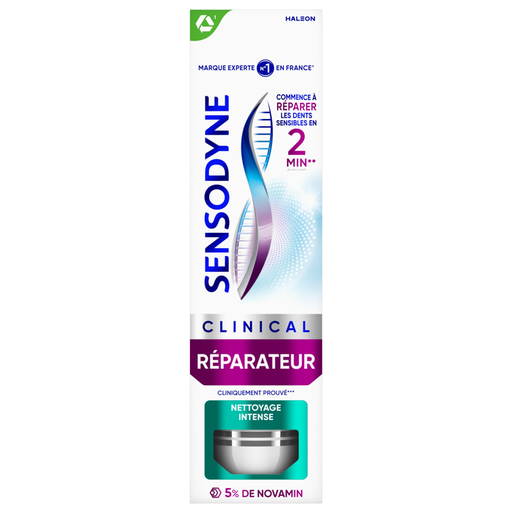
Why this choice suits this profile: This product is aimed at adults who want a targeted formula and like to examine the active ingredients closely.
The description details the presence of sodium fluoride at 1,450 ppm and calcium sodium phosphosilicate, making it easy to compare with other products.
A fluoride formula, a cleaning claim and a 75 ml tube suitable for regular use.
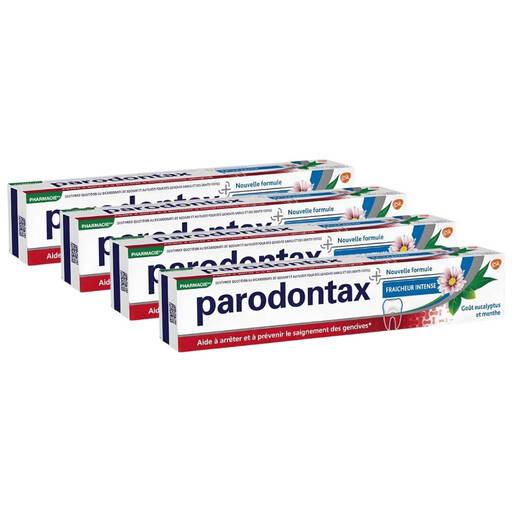
Why this choice suits this profile: With 300 ml in total, this multi-pack is ideal for a household that regularly uses a toothpaste for sensitive gums and wants to order less often.
The product page focuses on plaque cleaning rather than just a fresh-mouth feeling. It also states a fluoride content of 1,400 ppm.
Four 75 ml tubes and an intense freshness as claimed by the manufacturer.
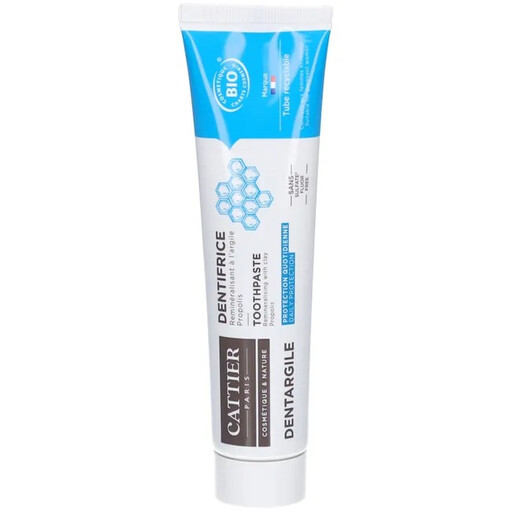
Why this choice suits this profile: This product may appeal to adults who prefer a sulphate-free formula, described as organic and vegan.
The product page specifies the presence of green clay and propolis, as well as the absence of sulphate, so the promise of gentleness is based on concrete details.
A 75 ml tube and a sulphate-free formula, suitable for adults looking for a more minimalist hygiene routine.
We’ve put together a comprehensive, real-time selection of products that meet these demanding criteria and European safety regulations.
Place an amount the size of a pea on a soft-bristled toothbrush. Brush gently for about two minutes, at least twice a day, without pressing too hard on your gums. After brushing, spit out the toothpaste and follow the instructions on the packaging regarding rinsing.
If irritation occurs, stop using it. If sensitivity persists or worsens, ask your dentist for advice. Children should not use these products intended for adults without following the age recommendations and supervision guidelines stated on the packaging.
Start by identifying the main symptom. A formula described as an anti-sensitivity toothpaste will be more suitable for a reaction to cold or heat. For sensitive gums, look instead at the claims about plaque and use a soft brush. Persistent bleeding warrants a visit to the dentist.
It depends on the formula and the manufacturer’s recommendations. Regular use, usually twice a day, is often advised. Check the instructions on the tube and reassess the situation if the discomfort continues. Returning to greater comfort should not make you overlook ongoing pain.
It can lower the price per tube and reduce the need for frequent repurchases, especially for family use. Calculate the price relative to the total volume, then check the expiry date and your rate of use. For a first try, a single tube or a small pack lets you test your tolerance before moving to a larger format.