
Livraison le jour même ou le lendemain

Qualité garantie

Débloquez vos offres de bienvenue: Livraison GRATUITE | Jusqu'à -80 % | 30 jours d'essai gratuits à JoyPlus
Téléchargez l'application
Choosing a toothpaste and mouthwash seems simple enough… until you’re faced with promises of whiteness, freshness, anti-plaque action or gum protection. A brightly coloured formula, a long list of claimed benefits or a multi-pack don’t necessarily guarantee a product that’s right for your mouth.
Here are the main pitfalls to avoid and the criteria to check before you place your order.
A whitening toothpaste can help remove some surface stains thanks to cleaning or polishing agents. A purple formula can also temporarily alter the perception of colour by visually neutralising yellow tones. That doesn’t mean it changes the natural colour of your tooth.
If you’re looking for gentle everyday action, check for fluoride content and the usage recommendations. Avoid using highly abrasive products one after another, especially if you have sensitive teeth or weakened enamel.
An anti-plaque mouthwash or a freshening one is designed to complement brushing and interdental cleaning. It doesn’t mechanically remove deposits from your teeth. Some products contain fluoride, others contain alcohol or particularly strong aromatic agents – so their composition needs to match your habits and tolerance.
Always follow the dosage stated on the bottle. Mouthwash is not for drinking and may not be suitable for young children.
An organic fluoride-free toothpaste may suit someone who prefers that type of formulation. However, the lack of fluoride is worth considering if cavity protection is your priority. Similarly, a formula that makes multiple promises doesn’t necessarily address a specific need, such as sensitive gums or pain triggered by cold.
The ingredients list, fluoride concentration and recommended age are often more telling than the marketing claims alone.
For adults, many standard toothpastes contain around 1,450 ppm fluoride, like several Colgate, Signal and Aquafresh references featured in this selection. Used as directed, fluoride contributes to daily protection against cavities.
Children should use an age-appropriate amount under adult supervision to limit ingestion. If fluoride also comes from other sources, ask your dentist or doctor for advice.
A pack of two, three, four or twelve tubes can lower the unit price. However, take the time to check the best-before date, the space available in your bathroom and your household’s actual consumption. A 75 ml tube is generally suitable for individual use, while a 125 ml format can be handy in a family bathroom.
For mouthwash, also compare the volume used per rinse. A 500 ml bottle won’t give you the same number of uses depending on whether the recommended dose is 10, 15 or 20 ml.
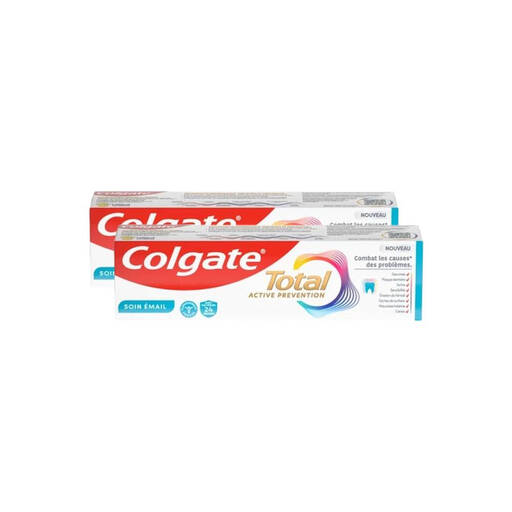
Why this choice suits this profile: With two tubes, you can establish a daily routine without stockpiling different products. The formula contains stannous fluoride, sodium fluoride and potassium nitrate.
The pack is simpler to evaluate than an assortment of products with functions that may not suit you. The fluoride content stated on the product page allows you to compare formulas on an objective basis.
Two 75 ml tubes, claimed anti-cavity protection and potassium nitrate in the formulation.
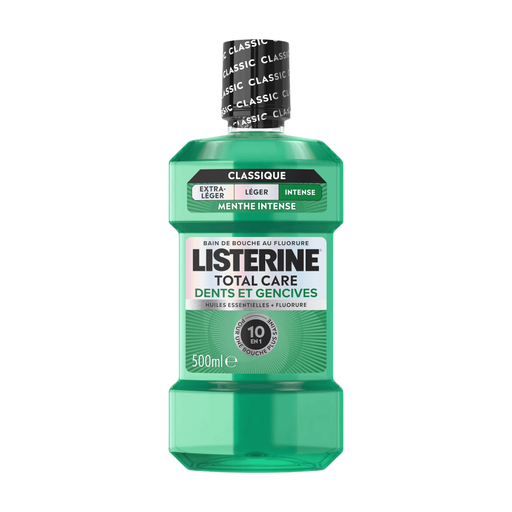
Why this choice suits this profile: This 500 ml mouthwash is aimed at adults who want to add a well-defined step to their routine, with a fluoride formula and an intense mint sensation.
The dosage is clearly set at 20 ml for 30 seconds. However, you need to be aware of the alcohol content and that it’s not suitable for children under 12.
A 500 ml bottle, 450 ppm sodium fluoride according to the product page, and use as a complement to brushing.
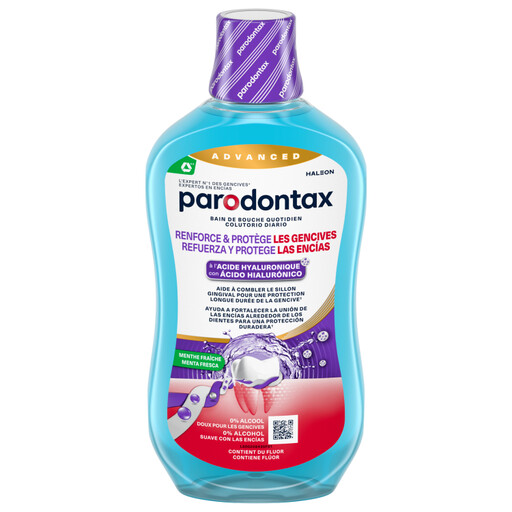
Why this choice suits this profile: Its 500 ml format and 10 to 15 ml dosage make it suitable for regular use focused on the gum line and a fresh sensation.
The product page specifies the amount to use, the rinse duration and the presence of 225 ppm fluoride. However, this product should not be mistaken for a medical treatment.
A formula based on hyaluronic acid, peppermint and sodium fluoride, to be used twice a day as directed.
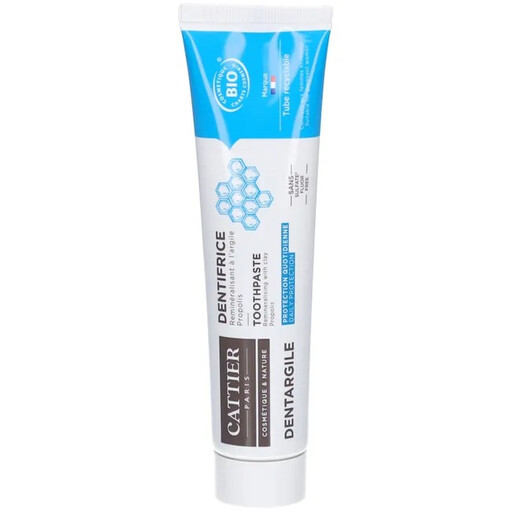
Why this choice suits this profile: This 75 ml toothpaste is aimed at adults who prefer green clay, propolis and the organic certification claimed by the brand.
The absence of fluoride is clearly stated. This allows you to make an informed choice, but it may not suit someone who is primarily looking for a fluoride toothpaste for cavity protection.
A 75 ml format, propolis and green clay in the formulation, with a formula designed for adults.
We’ve put together a comprehensive, real-time updated list of products that meet these strict selection criteria as well as European safety requirements.
It depends on the formula and the manufacturer’s instructions. A product like Colgate Max White Purple Reveal 75 ml contains 1,450 ppm fluoride and is presented as suitable for daily use. However, if you experience sensitivity or discomfort, alternate with a gentler formula and ask your dentist for advice.
A fluoride mouthwash can complement a routine already based on effective brushing. However, take into account the fluoride provided by your toothpaste and respect the recommended age. Mouthwash does not replace brushing or regular dental check-ups.
Check the date on the packaging and keep the product closed, in a dry place away from heat and sunlight. Replace it if its smell, colour or texture changes. For a family pack, store unopened tubes under the same conditions.