
Livraison le jour même ou le lendemain

Qualité garantie

Débloquez vos offres de bienvenue: Livraison GRATUITE | Jusqu'à -80 % | 30 jours d'essai gratuits à JoyPlus
Téléchargez l'application
Choosing a new toothbrush seems simple, but the oral care aisle is a dense jungle of marketing promises and technical jargon. Between "multi-angle" bristles, sonic technology, and ergonomic handles, it's easy to feel lost—and end up paying for useless features. As a product expert at Joybuy, my mission is to help you cut through the noise and make the right choice for your and your family's specific needs.
This article breaks down the common pitfalls and gives you our expert advice for choosing the ideal toothbrush, whether it's manual or electric, for an adult, child, or baby.
Before we even start comparing models, let's review the classic mistakes. They're costly and can even be harmful to your oral health.
To navigate the aisles with confidence and sort through models from brands like Oral-B, Colgate, or Signal, focus on these three fundamental criteria.
This is THE number-one criterion for protecting your teeth and gums.
Here, it's all a matter of budget, personal preference, and... discipline.
The golden rule: the smaller and more compact the head, the better. It can get into every nook and cranny, especially to reach the often-neglected back molars. This is an absolutely non-negotiable point for a child's or baby's toothbrush, as their mouths are much smaller.
To put theory into practice, here are a few options that tick all the right boxes for different types of users.
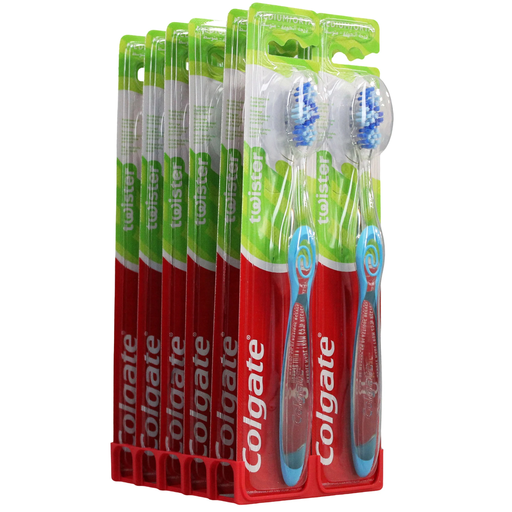
Why we chose it: This 12-pack is the ideal solution for families who want quality without breaking the bank. It provides a sufficient stock for each member to change their brush regularly, as dentists recommend, without having to think about it.
It avoids the pitfall of costly individual purchases by focusing on the essentials: a functional and effective brush for daily use, without superfluous gadgets.
Unbeatable value for money, enough to supply a family of four for a year. The medium bristles are suitable for adults with healthy gums.
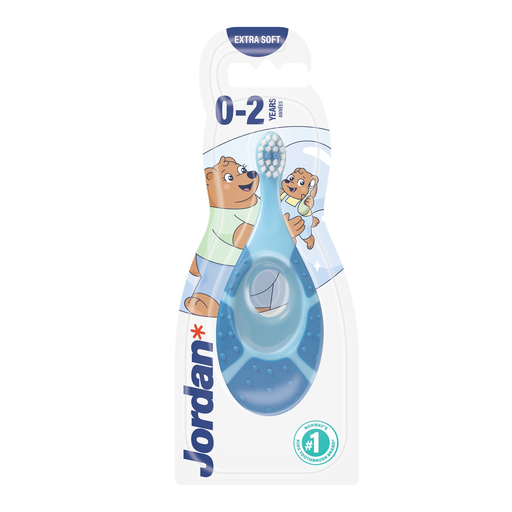
Why we chose it: Specially designed for a baby's first teeth, this toothbrush is a reassuring choice. Its short, ergonomic handle is easy for parents to hold, while its tiny head allows for gentle cleaning of gums and first teeth.
It directly addresses the "one-size-fits-all" pitfall by offering a tailor-made solution, perfectly adapted to the anatomy and sensitivity of toddlers aged 0-2.
The extra-soft bristles and a handle that doubles as a teething ring make it an excellent 2-in-1 tool for introducing babies to dental hygiene.
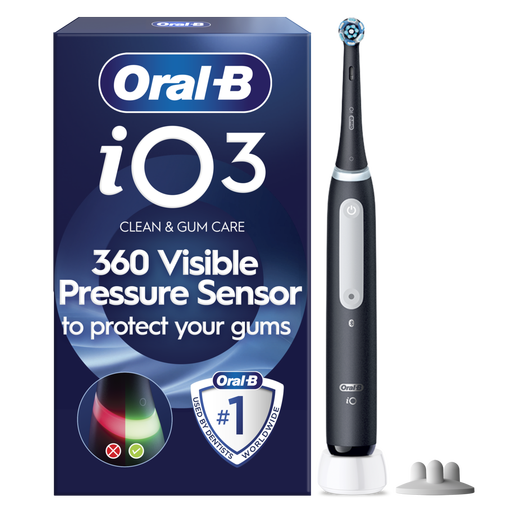
Why we chose it: This model from Oral-B's iO series is an excellent compromise. It features magnetic drive technology, which ensures a powerful yet gentle clean, and most importantly, a smart pressure sensor. The sensor alerts you with a light signal if you're pressing too hard—a truly beneficial feature for gum health.
It avoids the gadget trap by focusing on innovations that have a direct impact on brushing quality (pressure sensor, timer) without adding unnecessary complexity.
The smart pressure sensor (red/white/green) provides real-time feedback to actively protect gums from overly aggressive brushing.
We have compiled a comprehensive and up-to-date list of products that meet our strict selection criteria and current regulations.
It is recommended to replace your manual toothbrush or the brush head of your electric toothbrush every three months. Change it sooner if you notice the bristles are frayed or worn, as a brush in poor condition loses its effectiveness and becomes a breeding ground for bacteria.
A manual toothbrush, used with the correct technique for two minutes, can be very effective. However, an electric toothbrush makes it easier to achieve a consistent and thorough clean thanks to its automated movements and built-in timer. Brands like Oral-B often cite studies showing superior plaque removal with their electric models. The final choice depends on your budget and personal preferences.
For the vast majority of adults, a soft-bristled toothbrush is the safest and most recommended choice. It cleans effectively while protecting enamel and gums. A medium-bristled toothbrush may be suitable if you have no sensitivity, but it requires brushing without applying force. As for hard-bristled brushes, they should be avoided due to the risk of long-term damage.