
Livraison le jour même ou le lendemain

Qualité garantie

Débloquez vos offres de bienvenue: Livraison GRATUITE | Jusqu'à -80 % | 30 jours d'essai gratuits à JoyPlus
Téléchargez l'application
Whether you're a passionate mechanic, a weekend DIY enthusiast, or just someone who likes to keep their home in top shape, choosing the right equipment can quickly become a headache. Between marketing promises and confusing technical specs, it's easy to feel lost and fear making a purchase you'll regret. This guide is here to bring you clarity, focusing on the criteria that truly matter for a successful purchase.
But before you pull out your credit card, let's break down the most common pitfalls that will cost you time and money.
To avoid these disappointments, simply focus on a few fundamental technical points. These details make all the difference between a tool that will serve you for years and one that will end up at the bottom of a drawer.
For tools subjected to high stress, like wrenches or sockets, the material is a non-negotiable criterion.
A good tool isn't just strong; it's also well-designed for its specific function.
For power tools, the power output should match your actual use case.
To illustrate these principles, here are a few products that tick all the right boxes, selected for very specific needs.
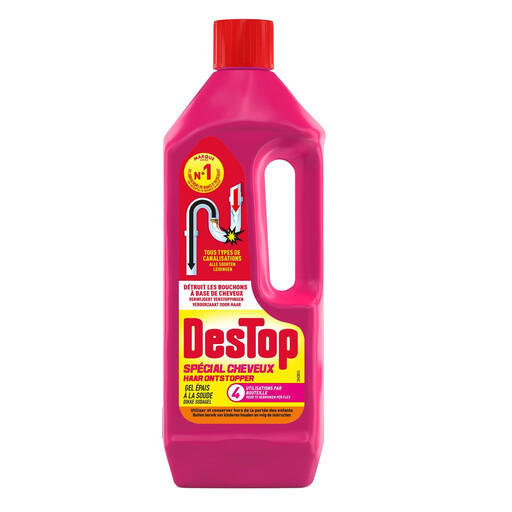
Why we recommend it : Ideal for tackling one of the most frequent problems in a bathroom: drains clogged with hair and soap scum. A simple solution that saves you from calling a plumber for a recurring issue.
It sidesteps the trap of the ineffective "universal" product with its targeted action on the keratin in hair. Its compatibility with all pipe types (even plastic) is clearly stated, which prevents nasty surprises.
Its thick gel formula allows it to act directly on the clog. According to the manufacturer, it dissolves organic blockages in 30 minutes without damaging enamel or pipes.
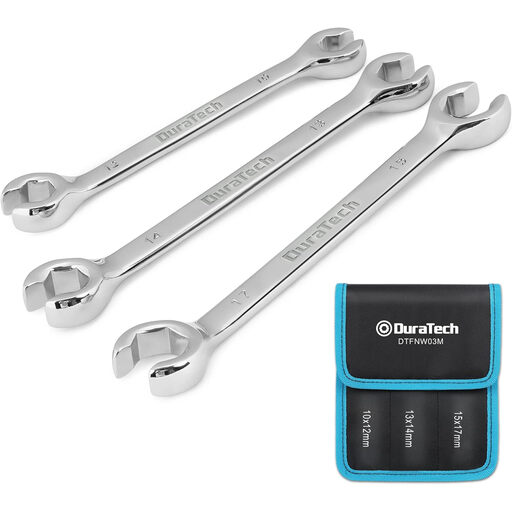
Why we recommend it : For anyone tackling their own brake system maintenance, this tool is essential. Using a standard open-end wrench on a brake fitting is the surest way to round off the nut and turn the job into a nightmare.
It avoids the low-quality material trap thanks to its heat-treated Chrome Vanadium steel construction. Its specific open-ring design and 15° offset are purpose-built for the task, unlike a "universal" wrench that would only cause damage.
The 3-piece set covers the most common metric sizes (10x12, 13x14, 15x17 mm). The mirror polish finish makes cleaning easy, and the storage pouch is perfect for keeping them organized.
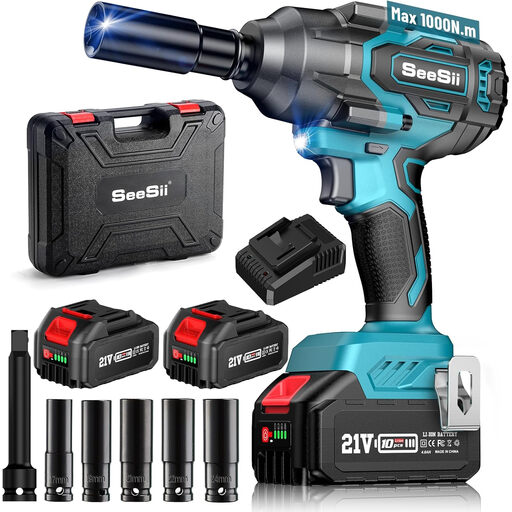
Why we recommend it : Perfect for those who work on heavier vehicles (vans, 4x4s) or who frequently perform disassembly tasks. The high torque is justified here, and the runtime provided by the two batteries is a real bonus to ensure you're never interrupted.
It avoids the "unnecessary power" trap because it's aimed at an audience that genuinely needs it. Delivered as a complete kit (2 batteries, charger, 5 sockets), it prevents the need for additional purchases and compatibility issues.
Very high breakaway torque of 1000 Nm. Supplied with two 21V / 4.0Ah batteries for extended runtime and a set of sockets for immediate use.
We have selected a complete and up-to-date list of products for you that meet our strict selection criteria and current safety regulations.
Although they look similar, they are not in the same league. The impact wrench is designed for tightening and loosening large-diameter bolts and nuts, thanks to its very high torque and a square drive (often 1/2-inch). The more compact impact driver is intended for driving long screws into hard materials like wood. Its torque is lower, and it has a hexagonal chuck (1/4-inch).
Rust is the number one enemy of tools. After each use, wipe your tools with a dry cloth to remove moisture, grease, and dirt. For long-term storage, apply a thin coat of protective oil (like WD-40 or machine oil) to the metal parts. Store them in a dry place, ideally in a toolbox or workshop cabinet.
This is a valid concern. Most modern drain cleaners sold in stores, such as those based on caustic soda, are formulated to be compatible with common materials (PVC, copper, enamel, etc.), provided you strictly follow the instructions (application time, rinsing). The rule of thumb is to always read the product label to check for compatibilities and contraindications (for example, do not use on aluminum). When in doubt, opt for a mechanical solution like a drain snake or a plunger.