
Livraison le jour même ou le lendemain

Qualité garantie

Débloquez vos offres de bienvenue: Livraison GRATUITE | Jusqu'à -80 % | 30 jours d'essai gratuits à JoyPlus
Téléchargez l'application
Whether you're a seasoned professional on the job site or a passionate weekend DIYer, the fact is undeniable: a good tool bag isn't a luxury, it's a necessity. Yet, in a market saturated with marketing promises, buying one can often turn into a nightmare. A bag that sags under the weight, tools that rust at the first sign of rain, an organization system that descends into chaos... These daily frustrations are, however, completely avoidable.
This guide gets straight to the point: helping you avoid the common pitfalls and choose THE tool storage bag that will deliver on its promises of long-term durability and efficiency.
Before we even get into the technical specs, let's learn how to spot the design flaws that turn a good deal into a bad investment.
To make a smart choice, forget the marketing hype and focus on concrete criteria. Here are the three points you absolutely must check.
The durability of a fabric tool bag depends on its material, most often polyester. Its strength is measured in Deniers (D).
A respectable waterproof tool bag must have a rigid base. Look for a molded bottom made of hard plastic or rubber. This guarantees triple protection:
Volume isn't everything. A good bag is, first and foremost, a well-designed bag. Pay attention to the pocket layout. An electrician's tool bag, for example, will require numerous vertical pockets for pliers, screwdrivers, and testers. For larger tools, look for wide compartments and retaining straps. A tool pouch or a roll-up tool kit remains an excellent complementary option to keep everything organized.
To help you visualize these concepts, here are a few options that cater to different user profiles, based on our criteria for durability and functionality.
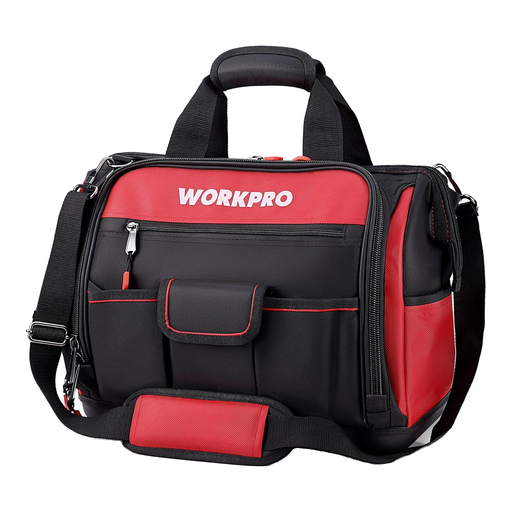
Why we chose it: This is the model built for pros who mean business. It checks all the boxes for demanding work: rock-solid durability and precision organization for the field.
Its 1680D polyester fabric is virtually indestructible, its rigid, waterproof base is a bulwark against moisture, and its 39 pockets put an end to chaos.
The perfect combination of tank-like durability (1680D fabric) and surgical organization (39 pockets, straps, hooks).
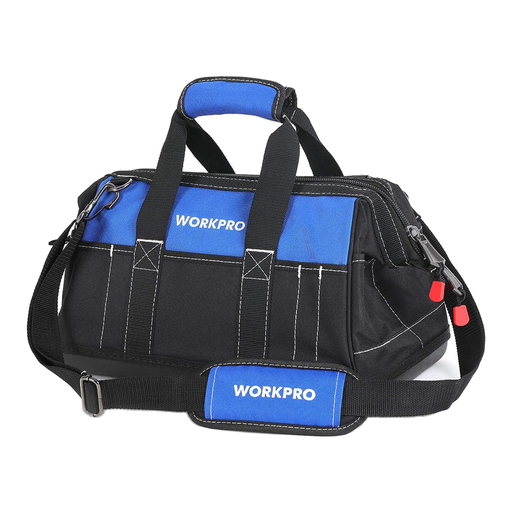
Why we chose it: The ideal compromise for the serious DIYer or semi-pro tradesperson. It packs the key features of high-end models without the extra cost of 1680D fabric, making it much more accessible.
It masters the essentials: the crucial molded, waterproof rigid base to protect your tools, and smart organization with its 21 pockets and 8 straps.
Its unbeatable value. It makes pro-level features (waterproof base, wide opening) accessible on a managed budget.
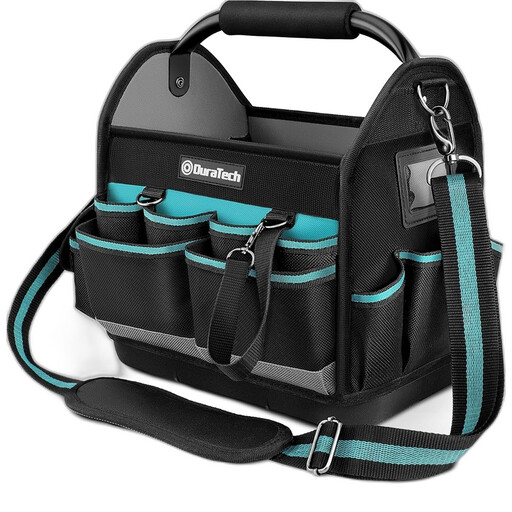
Why we chose it: The perfect ally for quick service calls. Ideal for the technician, plumber, or electrician who needs to access their tools in a split second. Its open design is a pure time-saver.
The 900D fabric offers an excellent balance of durability and weight, the plastic base protects from water, and the open layout with external pockets prevents everything from getting mixed up.
Immediate access. With its pivoting steel handle and open design, every tool is within reach. No more fumbling with zippers in the middle of a job.
Explore our full selection of bags and pouches that meet all our criteria for durability and practicality.
Denier (D) measures the thickness of the thread: the higher the number, the thicker, denser, and therefore more durable the fabric.
For anyone working outdoors, in basements, or on job sites, the answer is a resounding yes. A rigid, waterproof base is your best insurance policy against rust. It also prevents sharp tools from piercing the bag and ensures it stands upright. For 100% dry workshop use, it's less critical, but it's still a major plus for stability.
A few simple steps are all it takes. Empty it regularly to get rid of dust and shavings. For stains, use a damp cloth with a little mild soap, then rinse lightly. Most importantly, do not put it in the washing machine! Let it air dry, away from any heat source, to prevent mildew. A quick check of the seams and zippers from time to time will help you avoid any unpleasant surprises.