Hosts planning several recipes
If you’re also thinking of making a homemade sauce, pizza or slow-cooked vegetables, separate tins of tomato pulp let you open just the amount you need for each dish. You’ll still need to season it to suit your recipe.


To round off a raclette evening or have pasta ready as an alternative meal, choose a multipack of tomato pulp if you plan to cook several dishes, opening the tins as you need them. A ready-made tomato sauce is a better choice if quick preparation is your priority; just check that the pack size matches the amount you’ll use. In either case, follow the storage instructions on the packaging once opened.
Your choice depends largely on what you want to do with the tomatoes after your raclette evening: use them as a base for several dishes, prepare a sauce quickly or choose an amount that’s easy to finish.
If you’re also thinking of making a homemade sauce, pizza or slow-cooked vegetables, separate tins of tomato pulp let you open just the amount you need for each dish. You’ll still need to season it to suit your recipe.
A ready-made tomato sauce means you don’t have to start with a plain tomato base if guests would like pasta or a hot side dish. However, the recipe will already determine some of the seasoning.
Before choosing a large container, think about how much you’ll use once it’s open. Check the ingredients, allergens and storage instructions too, especially if these details matter to your guests.
First decide whether you want to cook with a tomato base or heat up a sauce that’s already prepared. Then choose pack sizes that you’ll be able to use once opened.
Choose this if: you’re planning several dishes and want to open the tins as you need them.
Bear in mind: tomato pulp is a base that needs cooking and seasoning, not a ready-to-serve pasta sauce.
Choose this if: you want to make pasta or a hot back-up dish quickly.
Bear in mind: the sauce is already seasoned, and with a large format you’ll also need a plan for using the leftovers.
| Criteria | What to check | Who it matters to |
|---|---|---|
| Versatility | Check the product description and ingredients: a multipack of 3 × 400 g tomato pulp gives you separate tins, but it needs to be prepared. | I want to keep some tomatoes for homemade sauce, pizza or vegetables, without deciding on the seasoning when I buy them; around 44% of consumers would prioritise this versatility. |
| Quick preparation | Choose a ready-made sauce and compare its net weight with the amount you plan to serve. | If I need a back-up meal ready quickly, I’d rather choose a recipe that’s already prepared, even if that means less flexibility over the flavour; around 33% of consumers would share this priority. |
| Leftovers and ingredients | Check the instructions for after opening, the ingredients list and any allergens highlighted on the label. | I don’t want to open more sauce than I can use, and I need to know what’s in it before serving; around 23% of consumers would put these checks first. |
For a store cupboard supply that you can open gradually, Auchan offers tomato pulp in three 400 g tins. If you’d rather have a cooked sauce, Panzani lists 425 g and 650 g formats of its Sauce Provençale. These weights describe the pack sizes; on their own, they don’t tell you how much you’ll need for your meal.
Tomato pulp can be used to make pasta sauce, but it’s not automatically a substitute for a ready-made recipe when you need to get a meal on the table quickly.
For a quick back-up dish, look for ready-made sauces. If you choose tomato pulp for several recipes, make sure you have the ingredients you’ll need to prepare them.
The date on an unopened container doesn’t replace the storage instructions for after opening. A multipack of smaller units lets you keep the other tins sealed until you need them.
Before you buy, compare the weight of each unit with how you plan to use it. Once opened, follow the refrigeration and use-by instructions on the packaging.
A ready-made sauce and plain tomato pulp won’t necessarily contain the same ingredients. The sauce name alone doesn’t tell you how it’s seasoned or whether it contains allergens.
Read the ingredients list and nutritional information for the product you choose, particularly the salt content if that’s important to your decision.
These examples help you compare specific recipes and pack sizes; a brand name is no substitute for checking the label on the product you choose.
For a ready-made tomato sauce, Panzani offers its Sauce Provençale in 210 g, 425 g and 650 g formats.
Barilla offers its Sauce Basilico in 200 g and 400 g formats, worth considering if you want to open a smaller amount.
Auchan’s tomato pulp multipack of 3 × 400 g gives you a supply divided into separate tins.
Carrefour lists several Carrefour Classic’ tomato sauces, including 420 g, 680 g and 880 g formats, so you can compare different sizes.
This selection includes a multipack of tomato purée to open gradually and several formats of tomatoes for cooking. If you’re specifically looking for a multipack of tinned tomatoes or a sauce to heat up without any further preparation, check the product format and instructions before choosing.
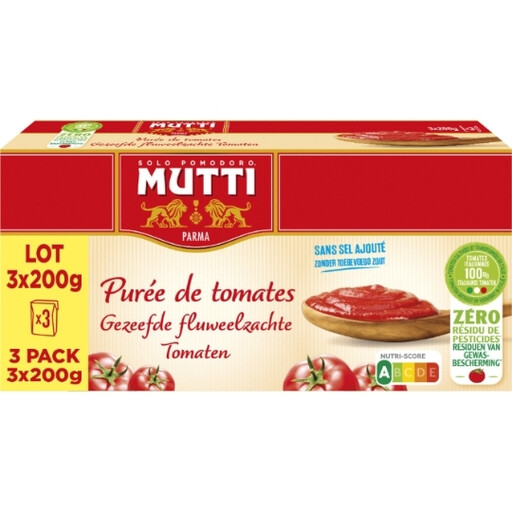 Image unavailable
A multipack of smaller units to consider if you want to open your tomato base gradually for different dishes.
If the ingredients are important to your decision, check the list on the multipack you choose. Once opened, follow the storage instructions on the packaging.
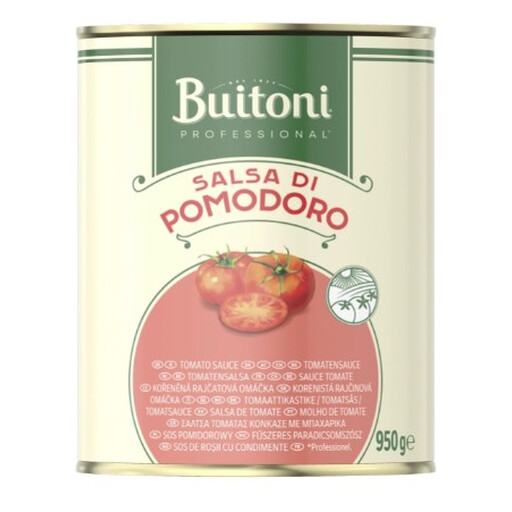 Image unavailable
This size may suit you if you plan to use a large amount of tomato sauce for pasta or other dishes.
Check the type of container, the number of units and the preparation instructions: the product name alone doesn’t confirm that it can be served after simply reheating. Also plan how you’ll use the product once opened.
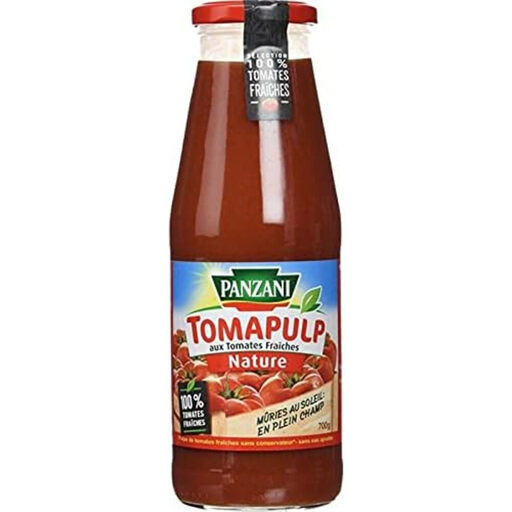 Image unavailable
Consider this as a tomato base if you plan to cook several dishes rather than serve a sauce that’s already seasoned.
If you’re looking for a multipack of tins, check the packaging and number of units. Once opened, plan how to use the contents in line with the instructions on the packaging.
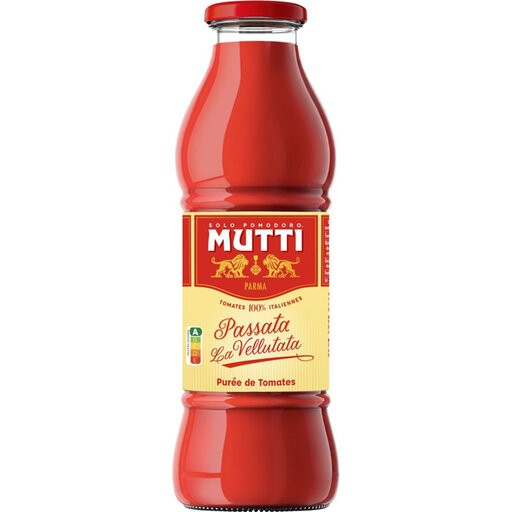 Image unavailable
This passata is for anyone who wants to cook with a tomato base, for example to make pasta sauce.
With a 700 g pack, you’ll need to plan what to do with the contents once opened. Check the recipe and storage instructions before using it.
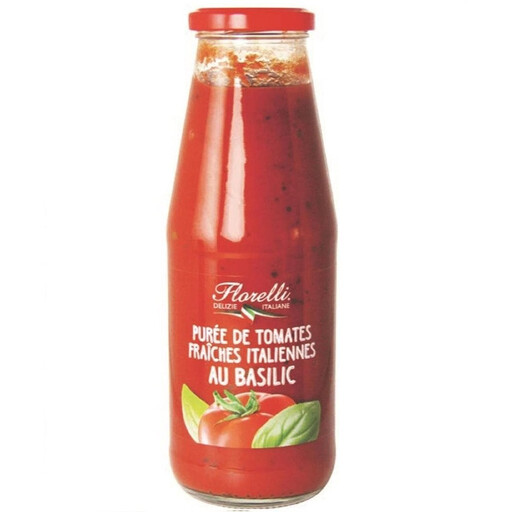 Image unavailable
This purée can be used as a base for pasta sauce if basil suits the recipe you have in mind.
It doesn’t give you the same freedom to season as a basil-free base. Check the packaging if you want several separate units, and follow the instructions for after opening.
Tomato pulp is a base to cook with, not necessarily a ready-made sauce. The tomato pulp products from Auchan and Mutti can be used in pasta sauce, as long as you allow for the preparation and seasoning you want.
Choose the multipack if you want to open the units at different times; a large jar makes more sense if you plan to use its contents during the meal or soon afterwards. Also consider whether you want tomato pulp to cook with or a sauce that’s already seasoned: the packaging won’t answer that question.
Follow the storage temperature and time stated on the packaging for the product in question. The Directorate-General for Competition Policy, Consumer Affairs and Fraud Control highlights the importance of following the manufacturer’s recommendations; for its Polpa tomato pulp in a multipack of 3 × 400 g, Mutti advises keeping it in the fridge and using it within three days of opening.
Read the ingredients list and check the allergens highlighted on the label of the specific product you’re serving. Anses notes that substances or products which cause allergies or intolerances must be declared in the ingredients list of pre-packed foods.