What should you look for?
When cooking several meals in advance, first check whether your recipe calls for exactly 500 g. Then choose between a ready-seasoned sauce and a tomato base you can season yourself.
| What to consider |
What to check |
Who is this for? |
| Quantity needed |
Net weight and the amount of tomato needed for each recipe. |
When my recipes call for 500 g, choosing a different pack size means adjusting the quantities or planning what to do with the leftover. Around 28% of consumers put matching the pack to their portions first. |
| A recipe you can customise |
Whether it’s described as a “cooking sauce” or “tomato purée”, and which ingredients have already been added. |
If I want to vary the seasoning from one dish to another, I prefer to start with a tomato base I can build on. This would be the main priority for around 22% of consumers. |
| Leftovers after opening |
The storage temperature and shelf life after opening, as stated on the packaging. |
If I don’t use the whole pack, I need to be able to store the remainder as directed by the manufacturer. Around 22% of consumers prioritise managing leftovers. |
| Ingredients |
Ingredients list, allergens, and salt and sugar values per 100 g. |
When I’m making several different dishes, I want to know what the tomato base already adds to each one. Ingredients would be the top priority for around 17% of consumers. |
| Comparing products in store |
Price per kilo, net weight and availability at your chosen retailer. |
If I’m deciding between different pack sizes, I compare their cost at an equivalent quantity before planning my shop. Around 11% of consumers put this comparison first. |
Joybuy products to consider
These 500 g products include tomato bases you can customise and a sauce that’s already seasoned. Choose according to the dishes you’re making and check the storage instructions on each pack.
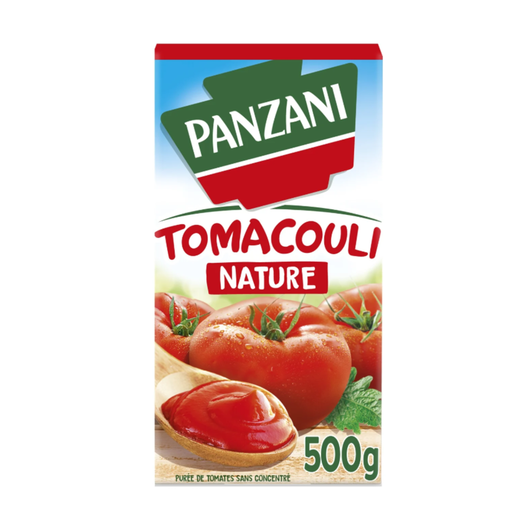 Image unavailable
Panzani Fresh, tomato purée 500 g
Worth considering if you want to make your own sauce for several dishes. This is a 500 g tomato purée to customise according to your recipes; check the pack for storage instructions after opening.
View on Joybuy
 Image unavailable
MUTTI Zero Pesticides, tomato purée 500 g
This 500 g tomato purée can be a good starting point if you’re planning to season different dishes in different ways. The variant name doesn’t replace checking the label for ingredients and storage instructions after opening.
View on Joybuy
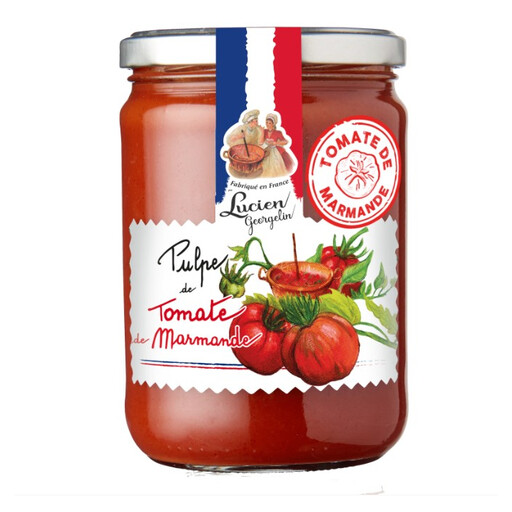 Image unavailable
LUCIEN GEORGELIN Marmande, tomato pulp 500 g
Worth a look if your recipe calls for tomato pulp rather than a ready-made cooking sauce. The pack contains 500 g; check the ingredients to decide what seasoning to add.
View on Joybuy
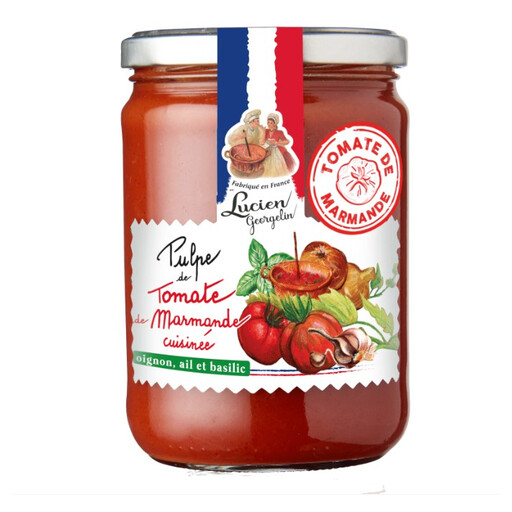 Image unavailable
LUCIEN GEORGELIN Marmande, tomato purée with onion, garlic and basil 500 g
This 500 g variant is a good fit for a recipe where you want onion, garlic and basil in the tomato base from the start. It gives you less flexibility than plain purée for dishes that call for different seasonings.
View on Joybuy
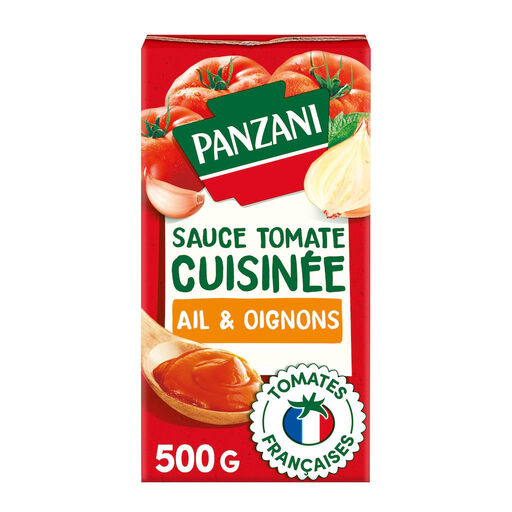 Image unavailable
Panzani, tomato sauce with sautéed garlic and onion 500 g
This 500 g tomato sauce is a good option if you want a ready-seasoned sauce for pasta. The garlic and onion give dishes made with it a distinctive flavour; check the packaging for storage instructions after opening.
View on Joybuy
Frequently asked questions
Can you replace cooking sauce with tomato purée?
Yes, as long as you adapt the recipe: tomato purée is a base to build on, while cooking sauce already contains seasoning ingredients. Read the product description and ingredients before changing the planned preparation steps.
How long can you keep tomato sauce once it’s open?
Follow the storage temperature and time limit on the packaging of the product you’ve chosen. The French Ministry of the Economy advises following the manufacturer’s instructions after opening. The 400 g Barilla sauce listed at Auchan, for example, says to refrigerate and use within 5 days of opening.
How do you compare a 500 g pack with a different size?
Compare the net weight and price per kilo, then work out the quantity your recipe actually needs. A 400 g or 560 g pack may mean adjusting your preparations or planning what to do with the remainder. Also check the terms offered by your chosen retailer.
What should you check on the label before preparing several meals?
First, check the product description, net quantity, ingredients, allergens and nutritional information per 100 g. Then check the relevant date and storage instructions, especially those that apply after opening. The DGCCRF states that labelling information must be legible and written at least in French.


