Which format suits each situation?
The amount opened during a service matters more than the size of your stock alone: it determines what you’ll need to prepare, refrigerate or use later.
Hotels that rarely serve sauce
If the savoury option is only offered occasionally, a tube or small container lets you open less sauce at a time. Still, check the instructions for use after opening: describing a tube as long-life does not replace them.
Buffets serving several savoury portions
If you’re preparing several portions for the same service, a 400 to 420 g jar may be the right amount. Plan how you’ll store any leftover product as soon as you open it, following the label instructions.
Kitchens that adapt their own recipes
If the team wants to choose its own seasoning and additional ingredients, tomato pulp or purée can be used as a base. However, it doesn’t serve the same purpose as a ready-to-use cooked sauce and requires an extra preparation step.
What should you look for?
For an occasional savoury option, start with the number of portions you’re planning, then check the recipe and the instructions for once the container is open. The figures below group consumers according to the main consideration behind their choice.
| Consideration | What to check | Consumers concerned |
|---|
| Keeping leftovers to a minimum |
Amount to open; storage instructions and use-by period after opening. |
When sauce is served infrequently, I’d rather open only as much as the kitchen can use. Around 33% of consumers prioritise reducing leftovers. |
| Serving several portions |
Net weight suited to the service; cooked sauce or tomato base that needs preparing. |
If several plates are planned for the same service, I need an amount that suits the occasion and a recipe that fits the time available. For around 25% of consumers, serving several portions comes first. |
| Knowing what’s in the product |
Ingredients and allergens for the specific product; whether or not it needs additional seasoning. |
To include the sauce on the menu, I want to know exactly what will be served to guests, especially if the kitchen changes the recipe. Ingredients and allergens are the priority for around 25% of consumers. |
| Managing stock |
Storage conditions before opening; amount likely to be used after opening. |
If I keep cupboard staples for several services, I look for a format that suits the actual rate at which stock is used. Around 17% of consumers prioritise stock management. |
A sauce intended for dry storage should be stored unopened according to the instructions on its packaging. Once opened, don’t apply one manufacturer’s instructions to another product: Panzani gives general advice to refrigerate its tomato sauce and use it within 4 to 7 days, but you should always follow the label for the product being served.
Brands to consider for their formats and recipes
These ranges illustrate different packaging and preparation options. The features mentioned apply to the specific products listed, not to every product from each brand.
Panzani
Panzani offers cooked tomato sauces in 210 g, 400 g and 650 g jars, as well as a range in tubes.
- The tube is worth considering when small amounts are used occasionally; the jars suit different serving volumes.
- The brand’s long-life claim doesn’t mean you can skip the instructions for the tube or jar after opening.
Barilla
The range includes a 400 g jar of cooked tomato sauce, which Barilla presents as a pasta base or accompaniment.
- This format may suit several portions prepared for the same service.
- Don’t assume that the ingredients listed for this product apply to other Barilla sauces: check the label on the product you buy.
Carrefour Classic’
The range includes a 420 g jar of cooked tomato sauce.
- The net weight gives you a useful guide when planning a service with several portions.
- The product information for this sauce lists celery: check the ingredients and allergens for the product you serve.
Auchan
Auchan chopped tomato pulp in a 400 g tin is a cooking base, not a cooked pasta sauce.
- It lets the kitchen decide how to season the dish.
- It needs additional preparation; after opening, the product information says to refrigerate it and use it promptly.
TURINI / offre E.Leclerc
The range shown by E.Leclerc includes TURINI tomato sauce with vegetables in a 180 g container, along with other formats and tomato bases.
- The 180 g format can be compared with larger containers when you only need a small amount of sauce.
- Purée or tomato paste isn’t a direct substitute for cooked sauce: check what the product is and how it needs to be prepared before choosing it.
BARESA / Lidl
Lidl France offers BARESA tomato and onion sauce in a 560 g container.
- This size may be worth considering if you regularly prepare several portions.
- For a one-off service, check that you’ll be able to use the opened product in line with the instructions on its packaging.
Tomato sauces and bases on Joybuy
These products offer two ways to prepare a savoury option: a 400 g cooked tomato sauce for a group service, and purées or diced tomatoes to work with in the kitchen. Decide whether you want a sauce or a base to season before comparing formats. For every product, check the ingredients, allergens, date and storage instructions on the packaging.
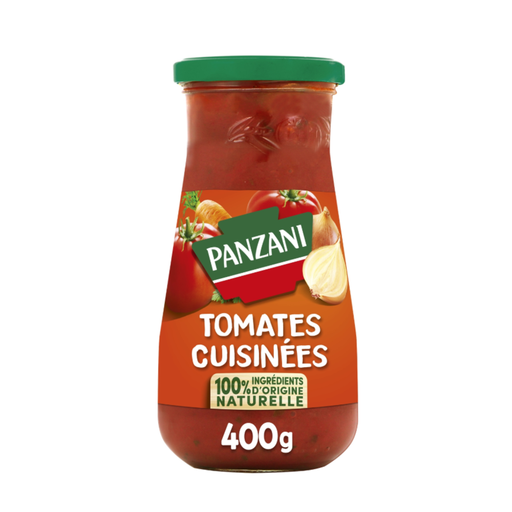 Image unavailable
PANZANI Cooked Tomatoes 400 g
A cooked sauce to consider if you’re planning several portions for the same service. The container holds 400 g; after opening, follow the product’s refrigeration instructions and use-by period.
View on Joybuy
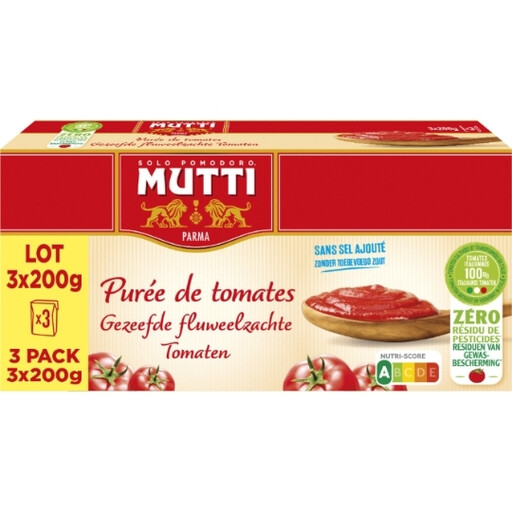 Image unavailable
MUTTI Zero Pesticides Tomato Purée, 3 × 200 g
The three 200 g units let you choose a small container for each preparation. This is a purée to turn into a sauce according to the kitchen’s recipe, not a ready-to-serve cooked sauce; check how to store each opened unit.
View on Joybuy
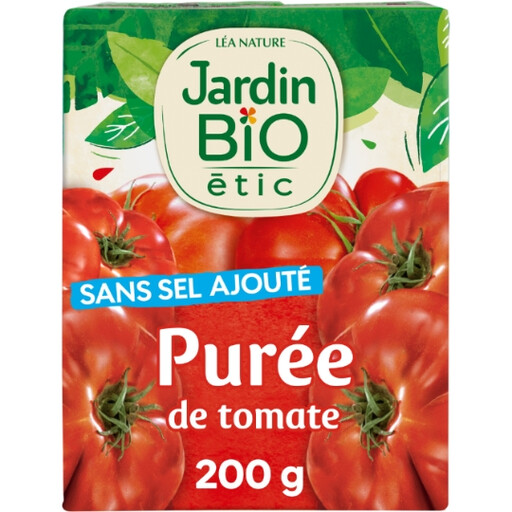 Image unavailable
JARDIN BIO ETIC Organic Tomato Purée 200 g
This 200 g container suits a small amount prepared occasionally. The purée is a base for a recipe, so allow time to season it and follow the storage instructions after opening.
View on Joybuy
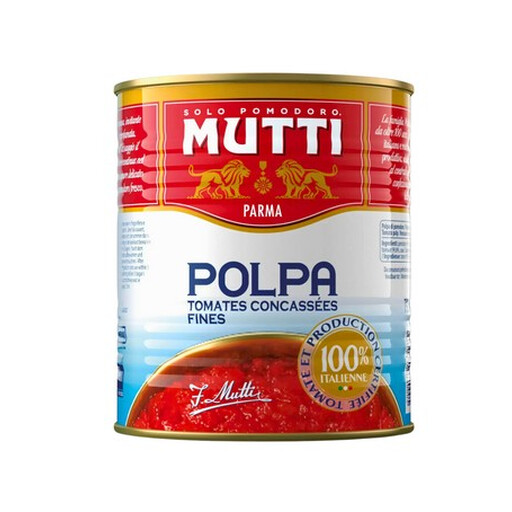 Image unavailable
MUTTI Fine Tomato Pulp 400 g
This 400 g tomato pulp can be used as a base when the kitchen is preparing several portions and wants to choose the seasoning. It needs additional preparation; follow the storage instructions once opened.
View on Joybuy
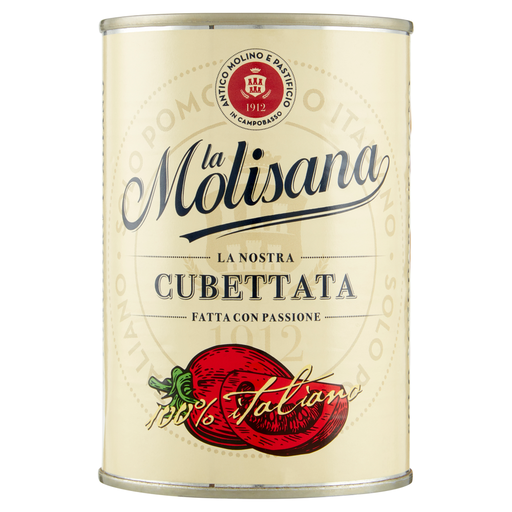 Image unavailable
LA MOLISANA Cubettata Diced Tomatoes 400 g
These 400 g diced tomatoes make a base for a sauce prepared in the kitchen, particularly when you’re planning several portions. After opening, follow the instructions on the product for decanting, refrigeration and use.
View on Joybuy
Frequently asked questions
Can you keep pasta sauce in the cupboard after opening?
Don’t assume that a sauce which was stored in a cupboard before opening can stay there once it’s been opened. Follow the instructions on the container you bought: the Auchan tomato pulp mentioned above, for example, needs to be refrigerated and used promptly after opening. Anses highlights the importance of keeping foods that require it chilled.
What should you check on the label before serving sauce at a buffet?
Check the product name, ingredients, allergens, net weight, relevant date and storage instructions for the product you’re serving. The DGCCRF notes that the labelling on pre-packed foods provides this information; if the kitchen changes the recipe, also take account of any added ingredients.
Can tomato sauce contain an allergen?
Yes: the name ‘tomato sauce’ alone doesn’t tell you what’s in it. The Carrefour Classic’ product information mentioned in this article lists celery, for example. Check the label on the product actually being used and make sure allergen information is clearly linked to the food being served; Légifrance requires information to be provided to the final consumer, including in catering settings.
Can tomato pulp replace cooked sauce for a quick service?
Not without extra preparation: tomato pulp is a base, and the kitchen needs to decide how to turn it into a recipe. If you need a sauce that’s already cooked for service, choose a product suited to that purpose, then check its ingredients and storage instructions.


