People keeping a close eye on fat content
You’ll want to start by comparing the stated fat content per 100 g for the specific product and pack size you plan to buy. A value for one sauce won’t apply to every recipe in that brand’s range.


If you’re choosing a tomato sauce to serve with fresh pasta and want to reduce your fat intake, first compare the values per 100 g for sauces intended for the same use, then consider the portion you’ll serve. The words ‘fresh tomatoes’ don’t necessarily mean the sauce needs to be refrigerated before opening. Check the sauce and pasta ingredients, allergens and storage instructions separately.
You’ll want to start by comparing the stated fat content per 100 g for the specific product and pack size you plan to buy. A value for one sauce won’t apply to every recipe in that brand’s range.
You’re looking for a sauce that’s easy to pair with your meal, while keeping an eye on how much you use and the storage instructions once it’s opened. Fresh pasta and sauce may need to be stored differently.
You prefer a tomato and basil recipe, but want to compare its ingredients, fat and salt content with those of a fresh tomato sauce, rather than relying on the recipe name alone.
For fresh pasta, first choose the type of sauce or tomato base you’ll actually use, then compare the nutritional information and storage instructions for the specific product.
| Criteria | What to check | Who it matters to |
|---|---|---|
| Fat content | Compare fat and saturated fat per 100 g for sauces intended for the same use, then consider the serving size. | If I’m looking to reduce the fat in my sauce, I want to be able to compare the values for the jar I’m buying. Around 42% of consumers prioritise this criterion. |
| Tomato recipe | Read the product name, ingredients and nutritional information: ‘fresh tomatoes’, tomato and basil, and organic don’t all mean the same thing. | I like the taste of a fresh tomato or basil sauce, but don’t assume those words tell me how much fat it contains. This is a priority for around 33% of consumers. |
| Pack size and storage | Check the quantity, instructions for before and after opening, and the allergens in both the sauce and pasta. | When I’m making fresh pasta for just a few meals, I want to use the sauce before the stated time limit after opening. Around 25% of consumers put this practical consideration first. |
This phrase may describe the tomatoes used, but it doesn’t determine how the product should be stored before opening. Panzani says some of its sauces are made shelf-stable through heat treatment; you should still read the instructions on the jar you choose.
Check the storage temperature and dates on the sauce and fresh pasta separately.
Nutri-Score doesn’t tell you by itself how much fat you’ll serve with your pasta. Manger Bouger explains that its calculation is based on information given per 100 g or 100 ml of product.
Check the fat and saturated fat per 100 g, then use Nutri-Score as additional information.
Ingredients vary from one recipe to another. For example, product listings from Auchan and Carrefour show different fat contents for Barilla’s organic basil sauce and Carrefour Classic’ tomato and basil sauce.
Compare the ingredients list and nutritional information for the exact product, rather than assuming the values apply to the whole range.
Potential allergens and the time limit for using a sauce after opening may affect your choice of pack size, even if its fat content suits you. The DGCCRF notes that allergens must be highlighted in the ingredients list of prepacked foods.
Check the labels on the sauce and pasta, then follow the storage instructions for the opened jar.
A pack that’s too large for the meals you’ve planned may leave you with unused sauce once the stated time limit has passed.
These products offer comparisons between specific recipes; their nutritional values don’t apply to every sauce from each brand.
The Fresh Tomato Sauce gives you a ready-to-use option to compare with other tomato recipes.
The Basilico and organic tomato and basil recipes may suit anyone looking for a tomato and basil sauce, but their ingredients should be checked separately.
The 420 g jar of tomato and basil sauce is a specific recipe to compare with fresh tomato sauces.
The 190 g pack of fresh tomato sauce may suit you if you want to limit how much is left in an opened jar.
The 420 g tomato and basil sauce offers another point of comparison among tomato and basil recipes.
These products include a tomato sauce and tomato-based preparations that could be part of a fresh pasta meal. If you choose a tomato purée or passata as your sauce base, remember to factor in any ingredients you add.
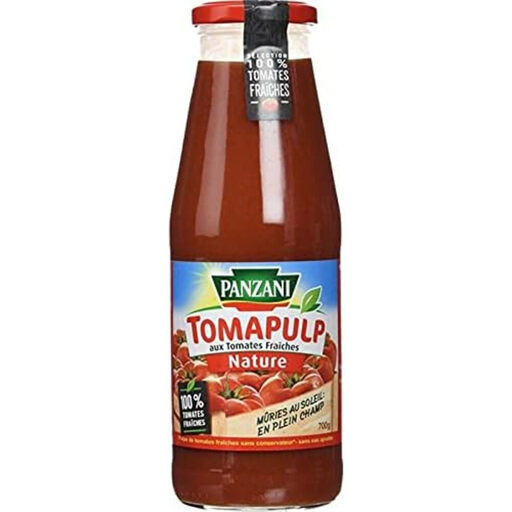 Image unavailable
A tomato sauce to consider serving with fresh pasta. For this 700 g pack, check that the quantity and stated time limit after opening suit your meals.
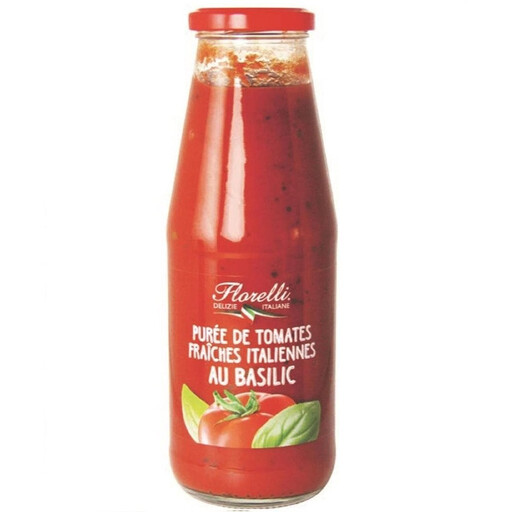 Image unavailable
A tomato and basil base to consider if you’re making your own pasta sauce. With a 690 g pack, plan how you’ll use the rest in line with the container’s instructions after opening.
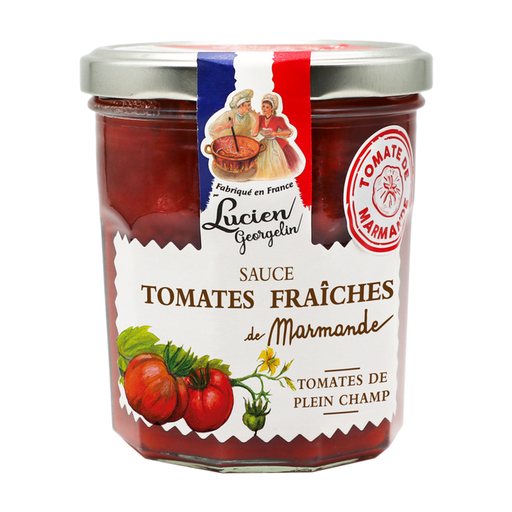 Image unavailable
A Marmande tomato preparation to consider for fresh pasta if the 300 g pack is the right size for you. Read the storage instructions on the jar before deciding where to keep it.
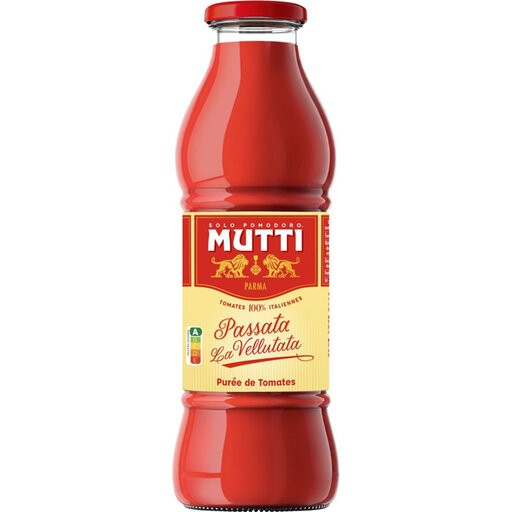 Image unavailable
A passata to use as a pasta sauce base when you want to choose the other ingredients yourself. Check that the 700 g pack and instructions for after opening suit the way you’ll use it.
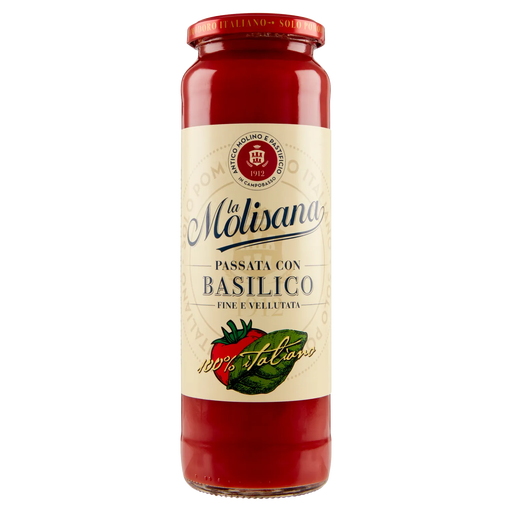 Image unavailable
A tomato and basil base for making a sauce to serve with fresh pasta. Consider whether the 690 g pack is right for the amount you’ll use and the stated time limit after opening.
No, not necessarily before opening. Panzani says some of its sauces are made shelf-stable by sterilisation or pasteurisation. Check the storage instructions for the product you’ve bought rather than relying on the word ‘fresh’.
Compare the fat per 100 g in ready-to-use sauces intended for the same purpose, then check the saturated fat and the amount you’ll serve. Nutri-Score doesn’t replace this nutritional information.
Follow the instructions for each product rather than applying the same rule to both. The DGCCRF notes that food must not be eaten after its use-by date. For an opened sauce, also follow the temperature and time limit shown on the container.
Yes. If you’re comparing the ingredients in your meal, check the information for the pasta and sauce separately. For example, Carrefour states that its listed Rana fresh fettuccine contains eggs. Check the ingredients and allergens on both packs.