
Livraison le jour même ou le lendemain

Qualité garantie

Débloquez vos offres de bienvenue: Livraison GRATUITE | Jusqu'à -80 % | 30 jours d'essai gratuits à JoyPlus
Téléchargez l'application
Buying toilet paper and facial tissues seems simple enough… until you start comparing sheet counts, thickness and different formats. Between promises of softness, family packs and environmental claims, some essential information can easily be overlooked.
To avoid unpleasant surprises and buy an amount that genuinely suits your needs, three pitfalls come up time and again:
2-ply toilet paper is often suitable for everyday use and a controlled budget. 3-ply toilet paper feels thicker, while 4-ply toilet paper generally offers a denser sheet and greater durability.
However, the number of plies is not enough to compare two products. Remember to check:
For example, a family pack of 27 rolls may suit a large family or a household that wants to shop less frequently. In a smaller home, however, a pack of 12 rolls will be easier to store.
Most products available are made from cellulose wadding or virgin pulp. Fragrance-free products may appeal to people who want to limit added ingredients coming into contact with the skin. In all cases, check the packaging for the full list of materials.
When choosing soft toilet paper, do not rely solely on the word “softness”. Look at the embossing, density and stated texture too. A thicker sheet may feel more luxurious, but it also takes up more space and should be used carefully in sensitive plumbing systems.
For tissues, the format mainly depends on how you plan to use them:
Products such as Kleenex tissues and Lotus models may state a ply count, certification or particular origin. Check this information on the product page and packaging, especially where it relates to comfort or composition.
The term FSC-certified paper refers to certification covering the responsible sourcing of fibres, according to the scope specified for the product. It does not replace the need to check other information, such as the composition or country of manufacture.
Some products are presented as toilet paper made in France, such as the SUIT toilet paper featured below. This indicates the declared origin of the product and may influence your decision if you prioritise local manufacturing.
Flush compatibility ultimately depends on both the product and your plumbing system. Even when toilet paper is advertised as flushable, avoid flushing a large quantity of sheets at once. Tissues, on the other hand, should go in the bin: their structure can increase the risk of blockages.
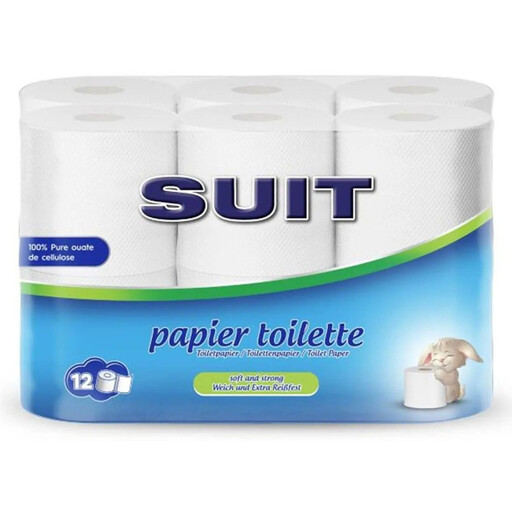
Why this choice suits this profile : With 12 rolls, this pack is ideal for a first family purchase without turning your cupboard into an XXL stockroom. The product page states 150 sheets per roll and that it is made in France.
The sheet count is clearly stated, making it easier to compare this pack with others. You are not relying solely on the number of rolls.
2-ply toilet paper, 12 rolls, 150 sheets per roll and declared French origin.
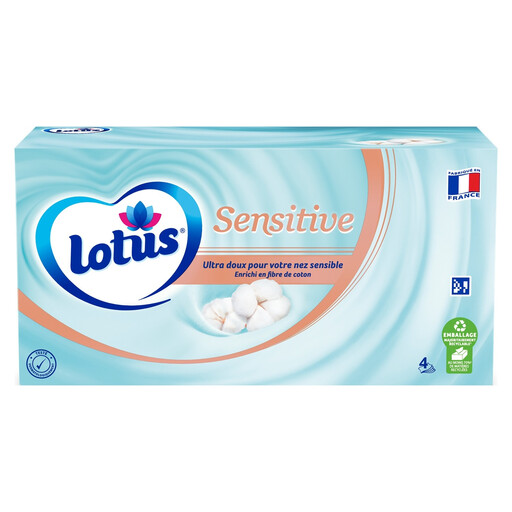
Why this choice suits this profile : This box is aimed at people looking for a texture described as ultra-soft, with 4 plies and naturally sourced cotton fibres, according to the product page.
The product page specifies the ply count, the pack contents of 80 tissues and the stated materials. The comparison therefore goes beyond a simple promise of softness.
4 plies, 80 tissues per box, stated cotton fibres and declared French manufacture.
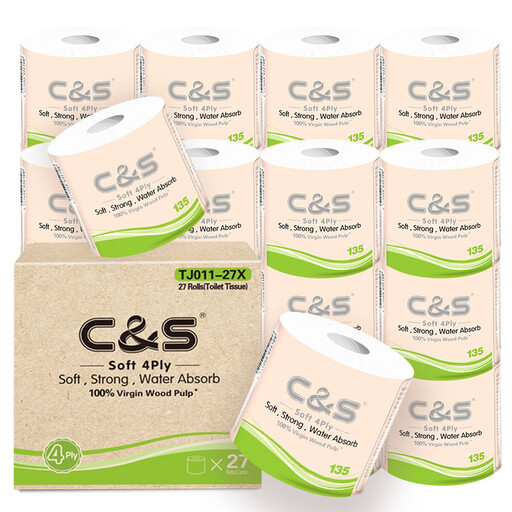
Why this choice suits this profile : With 27 rolls, this bulk pack is aimed at large families and households that prefer to shop less frequently.
The pack quantity is clearly stated. The product page also says that it is fragrance-free. For flushing, however, it is best to use small quantities at a time.
4 plies, 27 rolls, stated virgin wood pulp and no added fragrance.
We have brought together a comprehensive, real-time updated selection of products that meet these demanding criteria as well as European safety requirements.
Keep rolls and boxes in a dry place, away from moisture and direct sunlight. If your bathroom is poorly ventilated, leave supplies in their packaging until you are ready to use them.
Boxed tissues and pocket tissues should be put in general household waste, one sheet at a time. Do not reuse them and never put them down the toilet. For toilet paper, follow the instructions on the product page and take into account the condition of your plumbing, septic tank or local sewage network.
2-ply is often enough for everyday use and regular consumption. 3-ply or 4-ply may be preferable if you want a thicker feel, particularly when several members of the household use it frequently. Before deciding that a pack offers better value, always compare the sheet count and the weight of each roll.
No. Boxed tissues and pocket tissues are designed to be thrown in the bin. Their structure breaks down less easily than toilet paper, increasing the risk of blockages.
Do not simply divide the price by the number of rolls. Instead, calculate the price per 100 sheets, per roll or, where the information is available, per metre of paper. For tissues, compare the price per box, pack and sheet. This will help you distinguish a genuinely economical multipack from packaging that is simply larger.