
Same-day & Next-day Delivery

Quality Guaranteed

Unlock Your Welcome Offers: FREE Delivery | Up to 80% OFF | Free 30-day JoyPlus trial
Download the APP
Buying toilet roll and facial tissues may seem straightforward, until you end up with a pack that is too flimsy, too heavily scented or particularly awkward to store. At home, in the office or when you’re out and about, a few simple criteria can help you avoid disappointment and compare the price you’re actually paying.
Two packs of 12 rolls do not necessarily contain the same amount of paper. The number of sheets per roll, the paper weight and the total length should also be considered. For tissues, check the total number of sheets, as well as the number of tissues in each box or pocket pack.
A format described as ‘family-sized’ or ‘bulk’ may be useful for a family, shop or office. The trade-off is that it takes up more space. Check the parcel dimensions and plan a dry storage area away from moisture.
The number of plies gives you an initial indication, but it is not enough to predict how comfortable the paper will be to use. 2-ply toilet roll can be perfectly suitable for everyday use while taking up less space. 3-ply or 4-ply toilet roll generally provides a thicker sheet, but how easily it breaks down can vary according to its composition and your plumbing system.
Strength also depends on the quality of the fibres, how the layers are bonded and moisture levels. Claims such as ‘soft’ or ‘strong’ should therefore be assessed alongside more specific information: the number of plies, paper weight, number of sheets per roll and disposal instructions.
For frequent facial use, soft facial tissues without added fragrance may be more comfortable, particularly for people who are sensitive to smells. Unscented toilet roll also limits the presence of added agents, although it does not constitute a medical guarantee.
Facial tissues must not be flushed down the toilet, even when they appear thin. Their structure is not designed to break down like toilet roll. Dispose of them in a closed bin and follow local recycling or disposal instructions.
For tissues, also consider the format. A box of tissues will fit easily into a living room or office, while pocket tissues are designed for a handbag, car or travel.
Virgin pulp, cellulose and recycled fibres do not all feel the same. Check the composition and precautions printed on the packaging. When a product displays the FSC-certified tissues claim, check that this is a certification stated on the product or its listing, rather than simply an environmental promise.
FSC certification concerns the responsible sourcing of certain forest-based materials, according to the rules of the scheme. It does not directly indicate the product’s softness, strength or ability to dissolve in water.
Do not assume that a product is compatible with your plumbing simply because of its number of plies. Check the information on the product listing and packaging, use a reasonable amount and take your installation into account: septic tank, older network, low water flow or narrow pipes.
Even products described as flushable should be disposed of in small quantities. If in doubt, using a bin is the safest option. Tissues, plastic packaging and pocket packs must never be flushed down the toilet.
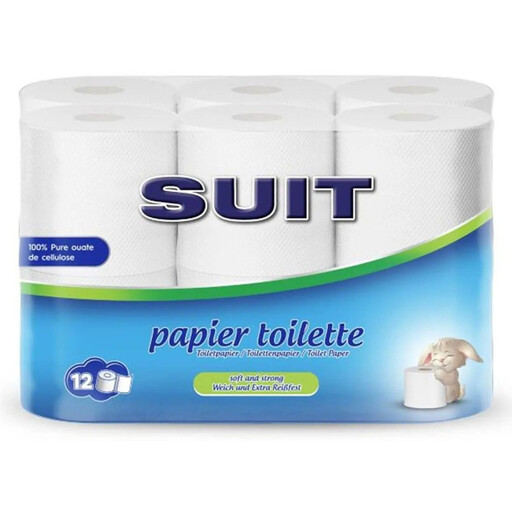
Why this product suits this profile : With 12 rolls containing 150 sheets each, this format makes it easy to build up a manageable supply without immediately opting for a much bulkier multipack.
The number of plies and sheets is clearly stated, making it easier to compare this pack with others.
2-ply paper, 12 rolls, stated to be made in France and announced as compatible with septic tanks, provided the instructions are followed.
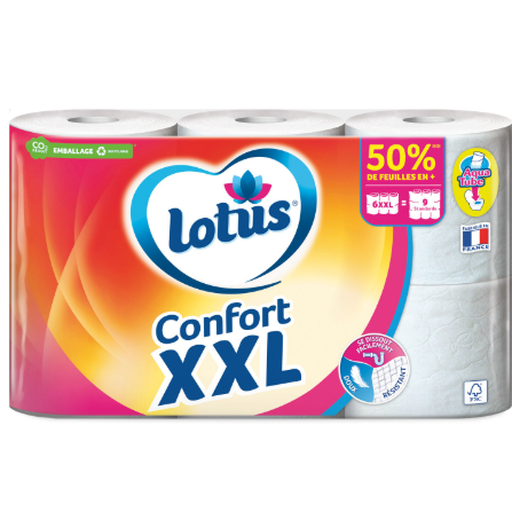
Why this product suits this profile : The XXL rolls and 2-ply construction are ideal for shoppers looking for a comfortable format and wanting to change rolls less often.
The listing compares the number of sheets with that of a standard roll, providing a more useful guide than a vague promise of long-lasting use.
6 extra-long rolls, 2-ply paper and an Aqua-Tube core described as flushable; however, avoid flushing a large amount of paper at once.
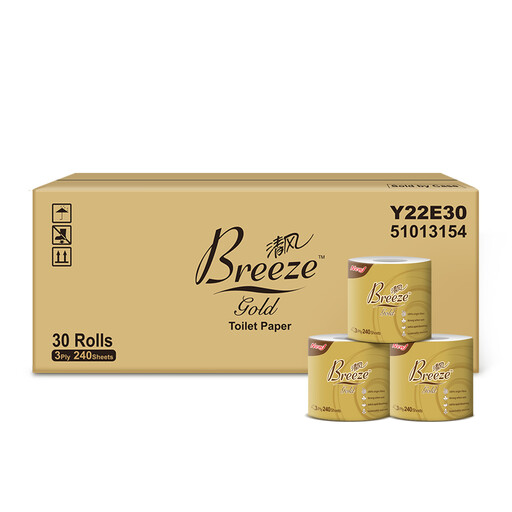
Why this product suits this profile : With 30 rolls and 7 200 sheets, this multipack is aimed at larger families, offices and planned stock-up purchases.
The total number of sheets, number of plies and number of rolls are all detailed, so the volume you are buying is clear before you place your order.
3-ply paper, 240 sheets per roll, stated virgin pulp and bulk packaging suited to planned storage.

Why this product suits this profile : The 10 pocket packs fit neatly into a bag, car or desk drawer, keeping tissues close at hand when you’re on the move.
The format is clearly distinct from a household tissue box, and each pocket pack contains 7 tissues, making it easier to plan your needs.
10 individual packs, 70 tissues in total and FSC certification stated on the product listing.
To assess value for money, divide the price of the pack by the total number of sheets, then compare products according to how you intend to use them. A thicker roll may reduce the number of sheets used, but its price per sheet may sometimes be higher. For tissues, the cost per pocket pack is the most useful measure if you carry them around, while the cost per box is more relevant for fixed use.
Store your products in a dry place, away from splashes and direct sunlight. Keep the packaging sealed until the products are needed and store plastic bags out of children’s reach.
2-ply toilet roll is suitable for many everyday needs. 3-ply or 4-ply formats may be preferable when you want a thicker sheet. However, the amount of paper used and compatibility with your plumbing should still be taken into account.
Pocket tissues come in small packs that are easy to carry. A box of tissues generally has a convenient opening for repeated use at home or in the office. In both cases, used tissues should be put in the bin, never flushed down the toilet.
Use a reasonable amount, flush in line with the product recommendations and consider the condition of your plumbing. If your installation is old or prone to problems, use smaller amounts and follow the manufacturer’s instructions as well as those of your local water network.