
Livraison le jour même ou le lendemain

Qualité garantie

Débloquez vos offres de bienvenue: Livraison GRATUITE | Jusqu'à -80 % | 30 jours d'essai gratuits à JoyPlus
Téléchargez l'application
Buying toilet paper seems straightforward… until the day the roll tears, leaves fluff behind or runs out much sooner than expected. At home, in the office or in a business, the price of the pack is not enough to compare offers. You also need to consider the number of sheets, the number of plies, the total length and disposal instructions.
Some formats can also be misleading. Very thick paper is not necessarily suitable for every plumbing system. As for the eco-friendly claim, it may relate to the tube, the materials or the manufacturing process, without applying to the packaging as a whole.
A pack of 12 rolls may contain fewer sheets than a multipack of 6 longer rolls. So, when comparing toilet paper in bulk, check the number of sheets per roll and, where the information is provided, the length in metres.
The total number of sheets is also a useful guide for families. A pack of 27 or 30 rolls can mean fewer shopping trips, but it takes up more space in a cupboard protected from moisture.
2-ply toilet paper is generally thinner and well suited to everyday use, both at home and in a professional setting. 3-ply toilet paper or 4-ply toilet paper feels thicker, but may encourage you to use smaller amounts when flushing.
Softness also depends on the texture, embossing and composition. A claim such as soft toilet paper or ‘suitable for sensitive skin’ should be understood as a feature highlighted by the manufacturer, not as a medical promise.
Even when a product is presented as flushable, its instructions may recommend not flushing a large amount at once. This precaution is particularly important with thick paper, older plumbing systems and certain septic tanks.
Washable toilet paper is a phrase to avoid when searching. A washable, reusable item must not be confused with paper designed to be flushed down the toilet. Always check the label and the recommendations that apply to your plumbing system.
Embossing gives the paper texture and changes how it feels to the touch. However, on its own, it is not enough to guarantee better absorbency.
Cellulose toilet paper may be made from virgin cellulose or other fibres, depending on the product specification. The BulkySoft product featured below states that it is made from 100% cellulose. Lotus Confort mentions cellulose wadding and virgin fibres, as well as an Aqua Tube designed to disperse in water.
To choose eco-friendly toilet paper, look at several factors: the origin of the fibres, whether the packaging carries a certification, the amount of plastic and the recycling instructions. No single claim is enough to assess the product’s overall impact.
Absorbent toilet paper may help reduce the number of sheets used, but the result depends on its thickness and texture. For a family, assess the amount actually available by looking at:
In an office, restaurant or public venue, large packs reduce the need for restocking. In a small home, a format of 6 to 12 rolls will often be easier to store, provided it is kept away from moisture.
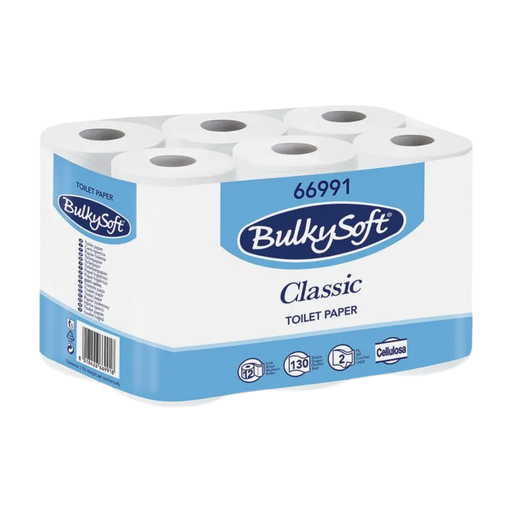
Why this choice suits this profile : This pack of 12 rolls is suitable for everyday use at home or in a small professional setting. Each roll contains approximately 130 sheets and measures around 14.3 m.
The number of sheets and approximate length are stated, making it easier to compare with other rolls.
2-ply paper, a stated composition of 100% cellulose, a 12-roll format and suitability for domestic or professional use.
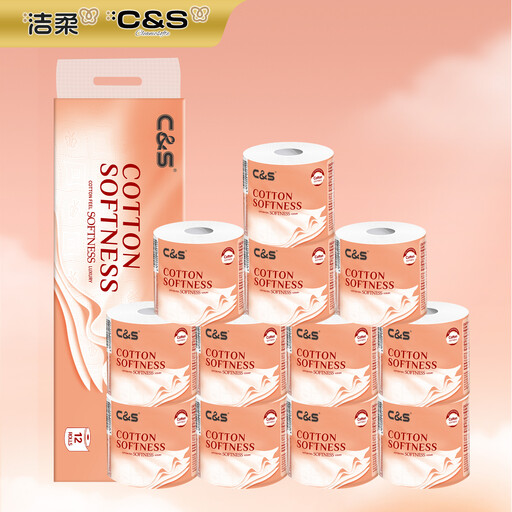
Why this choice suits this profile : Its stated 4-ply thickness and embossed core are aimed at those looking for a denser feel for the whole family.
The product information recommends not flushing large quantities at once. This is a useful point to help adapt use to your plumbing.
4-ply format, 12 rolls, advertised fragrance-free paper and a stated composition of 100% virgin wood pulp.
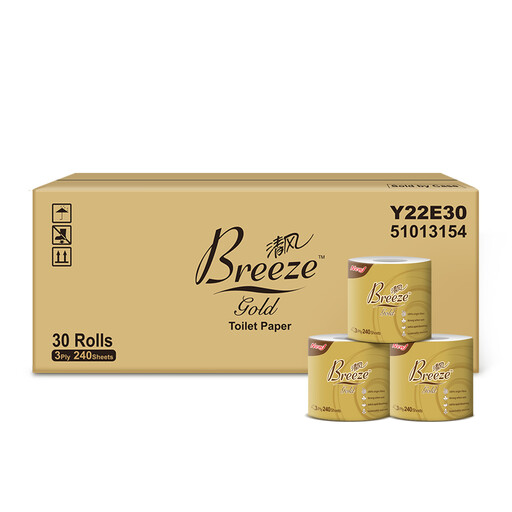
Why this choice suits this profile : With 30 rolls and 7 200 sheets in total, this pack is suitable for large families, offices, businesses and public venues.
The total number of sheets is clearly stated. The product information also recommends flushing small quantities because of the paper’s thickness.
3-ply paper, 240 sheets per roll, a stated raw material of 100% virgin wood pulp and a large-capacity pack.
We have selected a complete, real-time updated list of products that meet these strict criteria and European safety regulations.
In a French household, start by choosing a format suited to the storage space available. Keep the rolls in a dry place, away from splashes and sources of heat. For a second home or professional establishment, a large pack can help prevent running out, provided you can store the packaging correctly.
Fragrance-free toilet paper may suit people who want to limit added ingredients. Claims such as ‘soft’, ‘comfortable’ or ‘suitable for sensitive skin’ remain marketing claims or usage indications; they are not a substitute for medical advice. If you experience discomfort, stop using the product.
Finally, never put kitchen roll, wipes not designed for toilets or rolls of absorbent paper down the toilet. Even when a material is compostable, that does not mean it is compatible with your plumbing. The manufacturer’s instructions and the specific features of your installation should always take priority.
Compare the total number of sheets rather than just the number of rolls. A family pack of 27 or 30 rolls may be worthwhile when consumption is high and you have enough storage space. For balanced everyday use, 2-ply or 3-ply paper generally offers a practical compromise, subject to the disposal instructions.
Thickness alone is not enough to answer this for every installation. 4-ply paper may require small quantities to be flushed at a time, as stated in some product specifications. With a septic tank or older plumbing, check the manufacturer’s recommendations and avoid overloading the flush.
Divide the pack price by the total number of sheets, then also compare the total length in metres when this information is available. This method prevents you from mistaking a large number of small rolls for a genuinely greater quantity of paper.