
Livraison le jour même ou le lendemain

Qualité garantie

Débloquez vos offres de bienvenue: Livraison GRATUITE | Jusqu'à -80 % | 30 jours d'essai gratuits à JoyPlus
Téléchargez l'application
Buying toilet paper seems straightforward… until you compare the number of sheets, thickness, softness and the actual price of the pack. A roll advertised at an attractive price may contain very few sheets, while a family pack may take up a lot of space or be unsuitable for certain pipework.
For French households, larger families and professional users alike, three pitfalls come up regularly:
2-ply toilet paper remains a popular choice for everyday use. It generally offers a good balance between flexibility, absorbency and the number of sheets used. 3-ply toilet paper, with its additional layer, may suit those looking for a thicker, more substantial feel.
4-ply toilet paper is even thicker. It appeals because of its comfort and may reduce the number of sheets needed, but it is best flushed in small quantities and used according to the recommendations on the packaging. Extra care is particularly advisable with a septic tank or older pipework.
Strength does not depend solely on the number of plies. The type of fibres, embossing, paper density and perforation quality also affect ease of use. Before relying on a simple marketing claim, take the time to check the product details.
Soft toilet paper makes everyday use more comfortable, particularly when buying a large quantity of family toilet paper. Those looking for toilet paper for sensitive skin may prefer a simple composition and unscented toilet paper, while carefully checking the information provided on the packaging.
Products made from virgin cellulose indicate the raw material used, but this characteristic alone is not a medical guarantee. These products are intended for external use: if you experience discomfort or irritation, stop using them.
To compare toilet paper in bulk, calculate the price per roll where possible, followed by the cost per sheet. In particular, check:
A pack of 27 rolls may suit a large family or professional premises, while a pack of 6 or 12 rolls will be easier to store in a flat. Keep rolls in a dry place, away from moisture and direct sunlight.
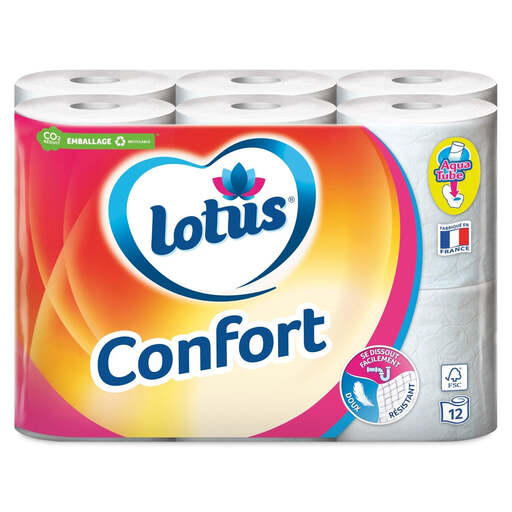
Why this choice suits this profile : With 12 rolls and 200 sheets per roll, this pack is easy to assess for a first purchase or everyday use in a flat.
The number of sheets is clearly stated, making it easier to compare with other 2-ply toilet paper packs.
2-ply, 12 rolls, 200 sheets per roll and Aqua Tube core presented as dispersible in water.
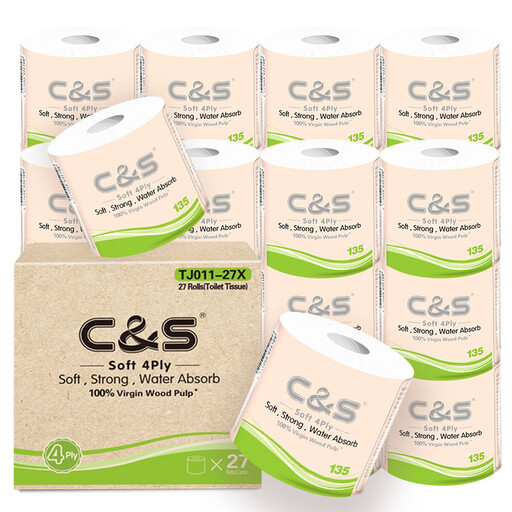
Why this choice suits this profile : Its 4-ply construction, unscented format and 27-roll pack are ideal for people who prioritise a thicker feel and a generous supply.
The product details specify the paper thickness and recommend flushing small quantities to reduce the risk of blockages.
4-ply, 135 g, 27 rolls and fragrance-free according to the product details.
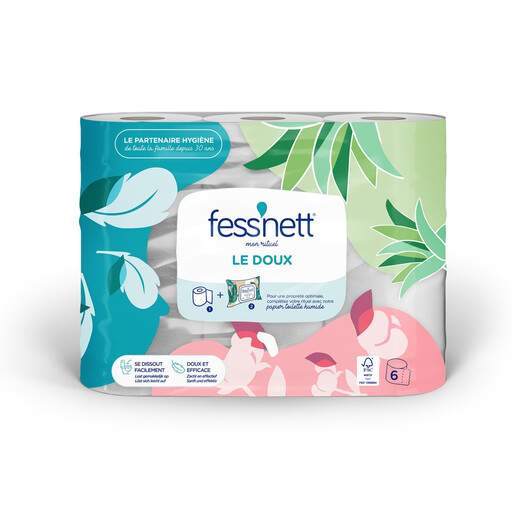
Why this choice suits this profile : This pack of 6 rolls is suitable for households looking to minimise storage space or test compatibility with their plumbing system, including a septic tank used in accordance with the recommendations.
The product details advise against flushing excessive quantities and mention compatibility with septic tanks, provided the instructions for use are followed.
2-ply, 6 rolls, made in France and stated compatibility with systems equipped with a septic tank.
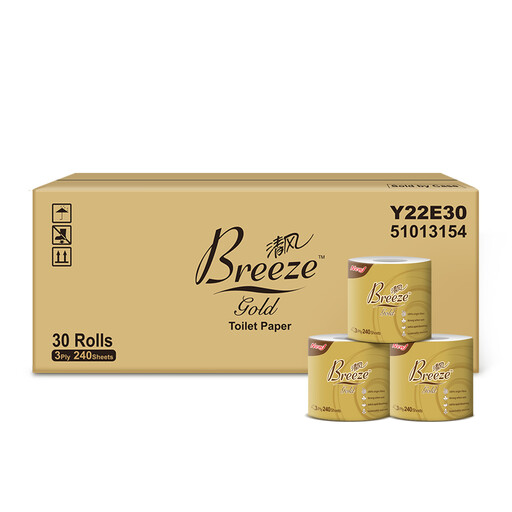
Why this choice suits this profile : With 30 rolls and a stated 7 200 sheets, this pack meets the needs of heavy use in a household or shared space.
The total number of sheets is specified, allowing you to compare the pack based on more than just the number of rolls.
3-ply, 240 sheets per roll, 30 rolls and paper presented as flushable in small quantities.
Kitchen roll is intended for a completely different purpose. OKAY rolls are designed to absorb liquids and clean surfaces; even when described as compostable, they must not be flushed down the toilet. They should be placed in a bin, and composting must follow local guidance.
Masking tape, meanwhile, is used for painting and obviously cannot replace a hygiene product. To compare these references, see the selection of products for rolling a joint only if you are specifically looking for this category.
We have put together a complete, real-time updated list of products that fully meet these strict selection criteria and European safety regulations.
Choose a product whose details clearly state that it is compatible with a septic tank, and follow the recommended quantities. Even toilet paper that is compatible with a septic tank can cause a blockage if too much is flushed at once or if the system already has a problem.
Not necessarily. The price depends on the number of sheets, the weight of the roll and the amount used each time. Compare the cost per sheet rather than just the price of the pack. Thicker paper may affect consumption, but this varies considerably according to household habits.
Store the rolls in a dry, well-ventilated cupboard, away from splashes of water. Avoid placing the packaging directly on the floor, particularly in a damp cellar. For a bulk purchase, distributing the rolls across several clean storage areas makes it easier to rotate your stock and limits their exposure to moisture.