What should you look for?
When choosing a snack for a toddler, first decide whether it’s for an occasional outing or a regular routine. Then check the ingredients and portion size of the individual item.
| What matters |
What to check |
Who is it for? |
| Regular snack |
Tell the difference between an occasional purchase and a regular choice. Manger Bouger recommends limiting sugary foods for young children. |
If you need to plan a snack every day, avoiding making a sugary wafer a routine choice matters more than convenience. Around 36% of consumers put this need first. |
| Allergens and ingredients |
Read the ingredients list and check the allergens highlighted on the pack you’ve bought, particularly if the recipe or pack size has changed. |
If an ingredient needs to be avoided, the composition of the product you’re actually serving should guide your choice. This check is the top priority for around 29% of consumers. |
| Portion size and convenience |
Check the weight of each item, the number of items in the pack and the nutritional information per portion, if provided on the packaging. |
For an occasional outing, a sealed individual item is easier to take with you and its portion size is clear. Around 21% of consumers put convenience first. |
| Nutritional comparison |
Compare similar products using Nutri-Score if it’s displayed; also check the nutrition declaration and ingredients. |
When choosing between two similar wafers, some consumers want a handy way to compare them without assuming that either is suitable for everyday use. Around 14% make this comparison their priority. |
Individually wrapped wafers on Joybuy
These Nutella B-ready products are individually wrapped filled wafers to take with you for occasional enjoyment, not a recommended regular snack for a toddler.
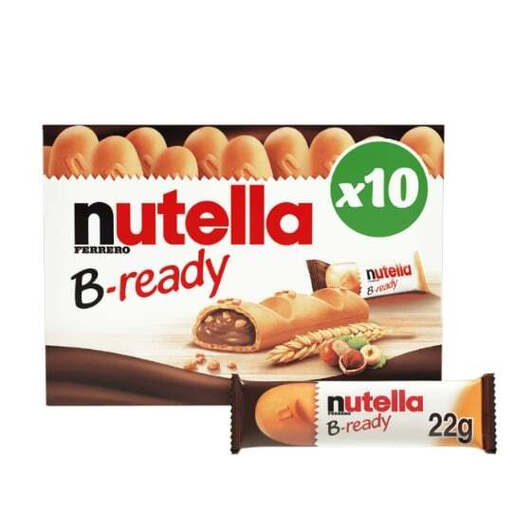 Image unavailable
Nutella B-ready, pack of 10, 220 g
For an occasional treat to take with you, Nutella France describes B-ready wafers as individually wrapped. The pack of 10 weighs 220 g. Before offering one to a toddler, check the ingredients and allergens on the pack.
View on Joybuy
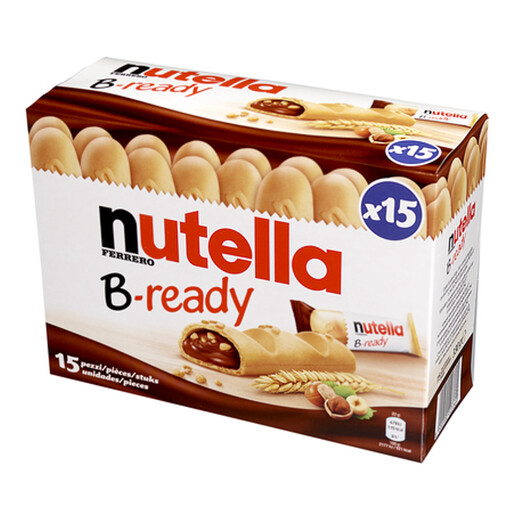 Image unavailable
Nutella B-ready, hazelnut and cocoa-filled biscuits, 330 g
This 330 g pack contains hazelnut and cocoa-filled biscuits for occasional enjoyment. Nutella France describes the B-ready format as individually wrapped. Before choosing a portion, check the number and weight of the individual items on this pack, along with the allergens.
View on Joybuy
Frequently asked questions
Is an individually wrapped filled wafer suitable as a regular snack for a toddler?
It isn’t the first choice for a regular snack. Manger Bouger recommends introducing sugary foods as late as possible and keeping quantities limited. An individual wrapper meets an occasional practical need, but doesn’t change this guidance.
Is Nutri-Score compulsory on these products in France?
No. Santé publique France says displaying Nutri-Score is voluntary. It complements the mandatory labelling information, including the ingredients list and nutrition declaration outlined by the DGCCRF. If it appears on the packaging, use it to compare similar products, but don’t treat it as the only measure of whether a product is suitable as a toddler’s snack.
Which allergens should you check in Nutella B-ready?
The recipe shown by Nutella France includes hazelnuts, milk, soya, wheat and barley, among other ingredients. Check the ingredients list and highlighted allergens on the pack you’ve bought, especially if an ingredient needs to be avoided.
What should you compare between two individual formats?
Compare the weight of each item, the number in the pack, the ingredients, allergens and any nutritional information provided per portion. The total pack weight alone doesn’t tell you the portion size of each wafer.


