Parents of a child who is still learning to manage pieces of food
Before choosing a type of flour or a brand, watch how your child chews and swallows solid textures. Manger Bouger reminds parents that every child learns at their own pace.


Only consider toasted bread if your child can already manage pieces of food and crunchy textures. The label ‘medium slice’ alone isn’t enough to tell you what they can chew and swallow. Adjust the size of the pieces you serve, and stay with your child while they eat. To compare packs, check the allergens, ingredients and pack size. Toast shouldn’t replace milk at breakfast.
Before choosing a type of flour or a brand, watch how your child chews and swallows solid textures. Manger Bouger reminds parents that every child learns at their own pace.
Toast can be part of breakfast, but it shouldn’t be a meal on its own. Slice size, ingredients and nutritional values can all help you compare packs.
Check the ingredients and any ‘may contain’ warnings on the pack you buy, even if the front says ‘plain’, ‘wholemeal’ or ‘organic’. The DGCCRF states that allergenic ingredients must be clearly highlighted on the label.
Start with the textures your child can manage, then consider how toast fits into the meal and check the product label.
| What to consider | What to check | Consumers concerned |
|---|---|---|
| Texture and pieces | Consider whether your child can already manage pieces of food; assess the size and dryness of the slice you actually serve. | If my child is still learning to chew pieces of food, my top priority is offering a texture they can manage while supervised. Around 33% of consumers put this first. |
| How it fits into breakfast | Plan to serve toast as part of the meal, without replacing the milk your child still needs after the age of one, according to Manger Bouger. | When putting together breakfast, I’m looking for toast to serve alongside the other foods planned for my child, not instead of milk. This is the top priority for around 27% of consumers. |
| Ingredients and nutritional composition | Check allergens and relevant ‘may contain’ warnings on the pack; compare salt, sugars and fibre on the same basis, particularly per 100 g. | When I need to check what’s in the toast, the ingredients list matters more than the words ‘organic’ or ‘wholemeal’. Around 27% of consumers prioritise this check. |
| Pack size and storage | Compare the total weight and number of slices, then follow the storage instructions after opening. | If the toast will be eaten over time, I want a pack size that suits our needs and slices that keep well. Around 13% of consumers make this their top consideration. |
This label doesn’t tell you whether your child can chew a dry slice of toast. Manger Bouger notes that children learn to manage different textures at different rates. Assurance Maladie warns of the risk of choking if a piece of food is inhaled.
Choose the texture and size of the pieces you serve based on what your child can manage, stay with them while they eat, and opt for a softer texture if they still find pieces difficult to manage.
The Carrefour Bio and Auchan Bio products featured by their retailers contain wheat and barley and may contain traces of other allergens. You can’t assume another product has the same ingredients based on these claims.
Check the ingredients, highlighted allergens and any ‘may contain’ warnings on the pack you actually buy.
The number of slices and total weight tell you about the pack, not what portion is right for a toddler. Carrefour Bio and Auchan Bio each offer a 12-slice, 250 g product, but that doesn’t tell you how big the pieces you serve should be.
Compare the weight and nutritional values per 100 g too, then check the actual size of the slices.
Heat and humidity can affect the crisp texture you’re looking for, and slices may also break during use.
Follow the manufacturer’s storage instructions and choose a pack size that suits how much your household will eat.
The 250 g wheat version featured by Carrefour is a crunchy toast from its rusks and crispbreads range.
Carrefour offers a 12-slice, 250 g organic wholemeal toasted bread, as well as another wholemeal option in its Original range.
Auchan offers wholemeal toasted bread in a pack of 12 slices, weighing 250 g.
These two products are crunchy toast options to consider for breakfast if your child can already manage this texture. Their inclusion here doesn’t remove the need to check the slice and label before serving.
 Image unavailable
Consider it as breakfast toast if your child can already manage dry, crunchy textures. The pack weighs 240 g. Check the slice size, allergens and any ‘may contain’ warnings on the packaging, then adjust the amount you serve.
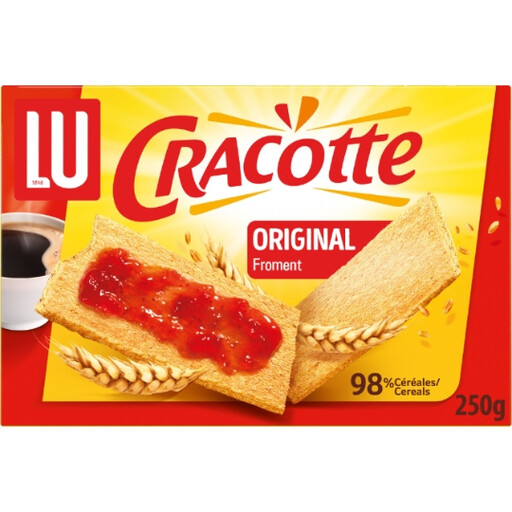 Image unavailable
These slices with toppings can be considered if your child already tolerates their crunchy texture and can manage pieces of food while supervised. The pack weighs 250 g. Check the slice size, ingredients and any ‘may contain’ warnings on the packaging.
Go by your child’s ability to manage pieces of food, rather than an age given for toast. Manger Bouger explains that children move on to increasingly solid textures at their own pace. If they still struggle with dry textures, choose something softer.
Adjust the texture and size of the pieces to suit your child’s current abilities, and stay with them while they eat. Assurance Maladie warns that inhaling a piece of food can cause serious choking. Don’t insist if your child struggles with this texture.
No, toast doesn’t replace milk. Manger Bouger states that from the age of one, children still need around 500 mL of milk a day, including at breakfast and teatime.
Read the ingredients list and check for any ‘may contain’ warnings on the pack you buy. The DGCCRF states that allergenic ingredients must be clearly highlighted on food labels. Neither ‘organic’ nor ‘wholemeal’ means a product is free from allergens.