Parents limiting sugary foods
You’re considering a spread for an occasional snack, without letting a multipack purchase become a reason to serve it more often. Manger Bouger and Assurance Maladie recommend limiting sugary foods for young children.


For a toddler’s snack, choose a size that suits how your household will actually use it: a small jar for an occasional treat, a large jar if several people will enjoy it, or a 25 g format if you need something to take with you. Whatever the packaging, Manger Bouger and Assurance Maladie recommend introducing sugary foods as late as possible and limiting the amount young children eat. Before buying several units, check the ingredients, allergens and nutritional information for the specific product.
You’re considering a spread for an occasional snack, without letting a multipack purchase become a reason to serve it more often. Manger Bouger and Assurance Maladie recommend limiting sugary foods for young children.
Several people eat the spread, so the jar size should suit how quickly your household will get through it. An adult can then decide how much to serve your toddler.
Read the ingredients for the exact product before offering it to your child. The ingredient list and highlighted allergens matter more than the size or brand alone.
For an occasional snack, check the ingredients and allergens first, then choose packaging that suits the people who will actually eat the product. The DGCCRF states that nutrition declarations for prepacked foods are given per 100 g or 100 ml.
| What matters | What to check | Who is this for? |
|---|---|---|
| Frequency and amount | Compare the sugars and fat per 100 g, and decide how much to serve rather than basing it on the size of the jar. | If I’m planning the occasional slice of toast, I don’t want an easy-to-reach jar to turn it into a regular snack. Around 50% of consumers put limiting sugary and fatty foods at the heart of their choice. |
| Size and sharing | Check the weight and, for multipacks, the number and size of the portions actually included. | When several people share the product, I look for a size that suits how much they’ll eat, without stocking up on jars that will go unused. Size is the main consideration for around 30% of consumers. |
| Ingredients and allergens | Read the ingredient list for the exact product, check the highlighted allergens and look for any ‘may contain’ statements. | If the recipe changes or my child has an allergy, I need to check the packaging before serving it. Ingredient suitability comes first for around 20% of consumers. |
The French Ministry of the Economy explains that displaying it is voluntary in France. If the logo isn’t there, you still need to read the nutritional information and ingredient list.
If it is displayed, use it as a guide when comparing products in the same category, then check the values per 100 g.
A family-size jar means more spread at home, while Manger Bouger and Assurance Maladie recommend limiting sugary and fatty foods for young children.
Choose the weight according to how many people will eat it, and make sure an adult serves the amount intended for your toddler.
Buying more than your household needs could also mean some of it goes to waste.
These claims don’t tell you everything about the recipe or its sugar content. For example, the product listing for Auchan Bio spread states that it contains 55 g of sugars per 100 g, as well as hazelnuts and milk.
Compare the nutritional information, ingredients and allergens for each product you’re considering.
A different recipe may contain different ingredients or allergens. The DGCCRF says that allergens present in prepacked foods must be highlighted in the ingredient list.
Check the exact packaging whenever you change products. If your child has a known or suspected allergy, follow the advice of their healthcare professional.
A hazelnut and cocoa spread available in several sizes from the French retailers mentioned, including 750 g and 1 kg jars.
The retailer offers hazelnut spreads in its Classic' and Bio ranges, among others, in a range of sizes.
Its range includes several recipes and sizes, including products from the Auchan Bio and Pouce ranges.
The French retailer has offered spreads under its own brands in several sizes.
The retailer has a French category dedicated to cereals and spreads.
These products include jars from 200 g to 750 g, as well as a 25 g Nutella format to consider when you’re out and about. If you’re buying a multipack, check how many units are included rather than assuming from the stated weight.
 Image unavailable
The 200 g jar is a good option if you want to buy a smaller amount for occasional use. Check the ingredients and allergens on the packaging before serving it to your child; the size of the jar doesn’t determine how much to give them.
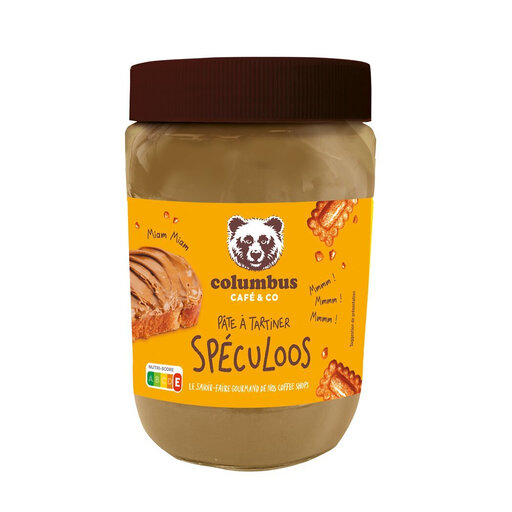 Image unavailable
This 400 g jar of speculoos spread offers a different recipe from cocoa and hazelnut spreads. Check the ingredients and allergens for the exact product: a different recipe doesn’t necessarily mean it’s suitable for someone with an allergy.
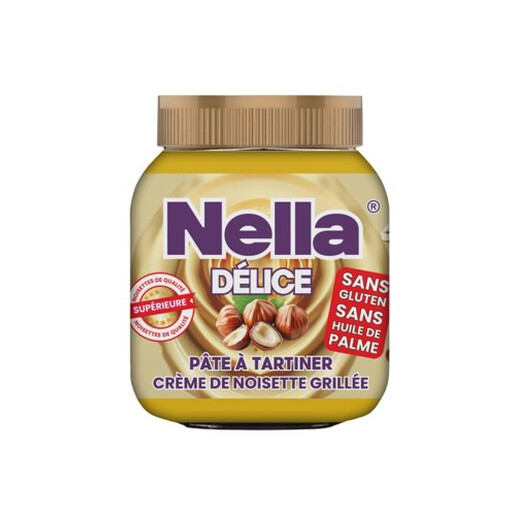 Image unavailable
The 320 g jar may suit a household looking for a mid-sized option. As it’s a hazelnut spread, check the ingredients and allergens on the product you buy before offering it to your child.
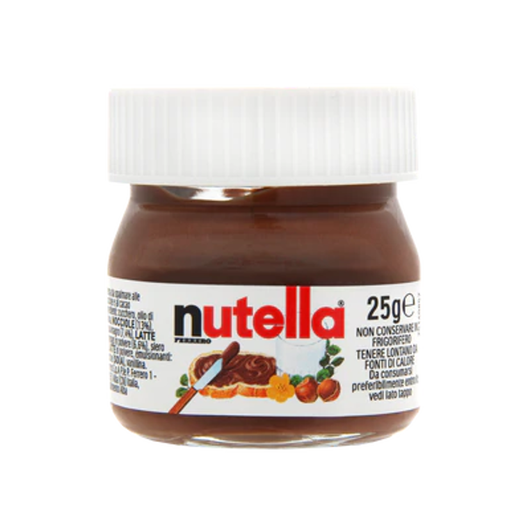 Image unavailable
The 25 g format can be handy when your child is having a snack away from home. This weight isn’t a recommended portion for a toddler: check the ingredients, nutritional information and how many units are sold together.
 Image unavailable
This 750 g jar may suit a household where several people genuinely eat the spread. Its large size shouldn’t dictate how often your child has it or how much they’re served; remember to check the allergens on the packaging too.
No. The French Ministry of the Economy says that displaying it remains voluntary. The DGCCRF states that a nutrition declaration is generally compulsory for prepacked foods. Check the sugars and fat per 100 g, whether or not the jar displays the logo.
It shouldn’t become the default everyday choice. Manger Bouger recommends introducing sugary foods as late as possible and in limited amounts; Assurance Maladie also recommends limiting sugar and fatty foods for young children. Consider your child’s age and circumstances when deciding what to offer them as a snack.
Read the ingredient list and any ‘may contain’ statements on the exact packaging. Recipes vary: the Auchan Bio product listing mentioned here, for example, includes hazelnuts and milk. If your child has a known or suspected allergy, follow the advice of their healthcare professional.
Choose according to how many people will eat the product and where your child will have their snack: a small jar for occasional use, a large jar for genuine sharing, or a portable format when needed. If you’re buying several jars or portions, check exactly what’s included in the pack. None of these formats, on its own, determines how often or how much is suitable for a toddler.