
Livraison le jour même ou le lendemain

Qualité garantie

Débloquez vos offres de bienvenue: Livraison GRATUITE | Jusqu'à -80 % | 30 jours d'essai gratuits à JoyPlus
Téléchargez l'application
Introducing growing-up milk alongside solid foods marks an important milestone during the weaning phase. As young children start eating a broader variety of meals from around ten months onwards, their nutritional needs continue to evolve. Specialist milk formulas help bridge the gap by supplying essential nutrients such as iron, essential fatty acids and key vitamins that support daily growth alongside a balanced family diet.
Navigating the shelves in French supermarkets or online can feel overwhelming, especially when weighing classic powdered formulas against ready-to-pour liquids. Finding the right fit comes down to everyday household convenience, storage arrangements and your child's feeding schedule. Understanding how packaging formats, nutrient fortifications and fridge storage times differ allows you to choose an option that fits effortlessly into your family routine.
Deciding between dry powder and ready-to-serve liquid bottles depends primarily on where feeds take place and how quickly your child finishes a container.
Young children have distinct metabolic demands that standard cow milk does not address during early weaning stages.
Once exposed to air, liquid formulations require strict refrigeration habits to maintain hygiene and safety.
Here are three dependable milk options tailored to different feeding routines and nutritional priorities for toddlers from ten months onwards.
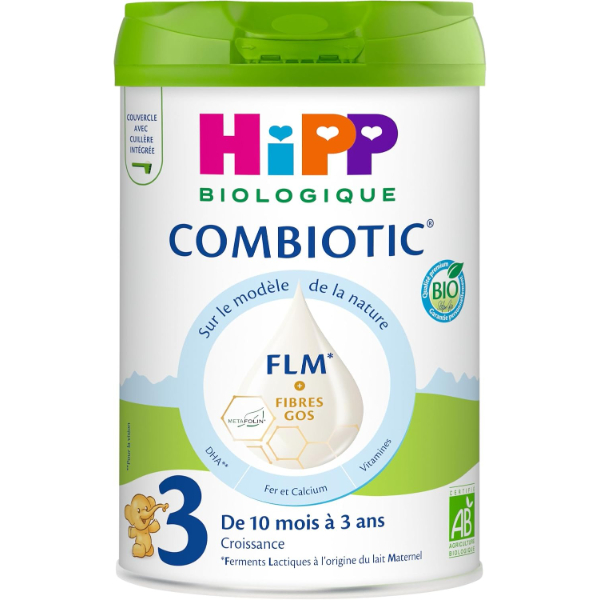
Why It Stands Out: This certified organic powder formula blends lactic ferments, prebiotic GOS fibres and DHA to complement a diversified diet from ten months up to three years. The powder format allows parents to prepare exact bottle volumes for morning and evening routines without opening large liquid packs. It provides sustained pantry convenience for families who prefer traditional reconstitution.
Pros:
Who is it for? Families looking for a certified organic formula in a classic powder tin that offers long pantry shelf life and flexible portioning.
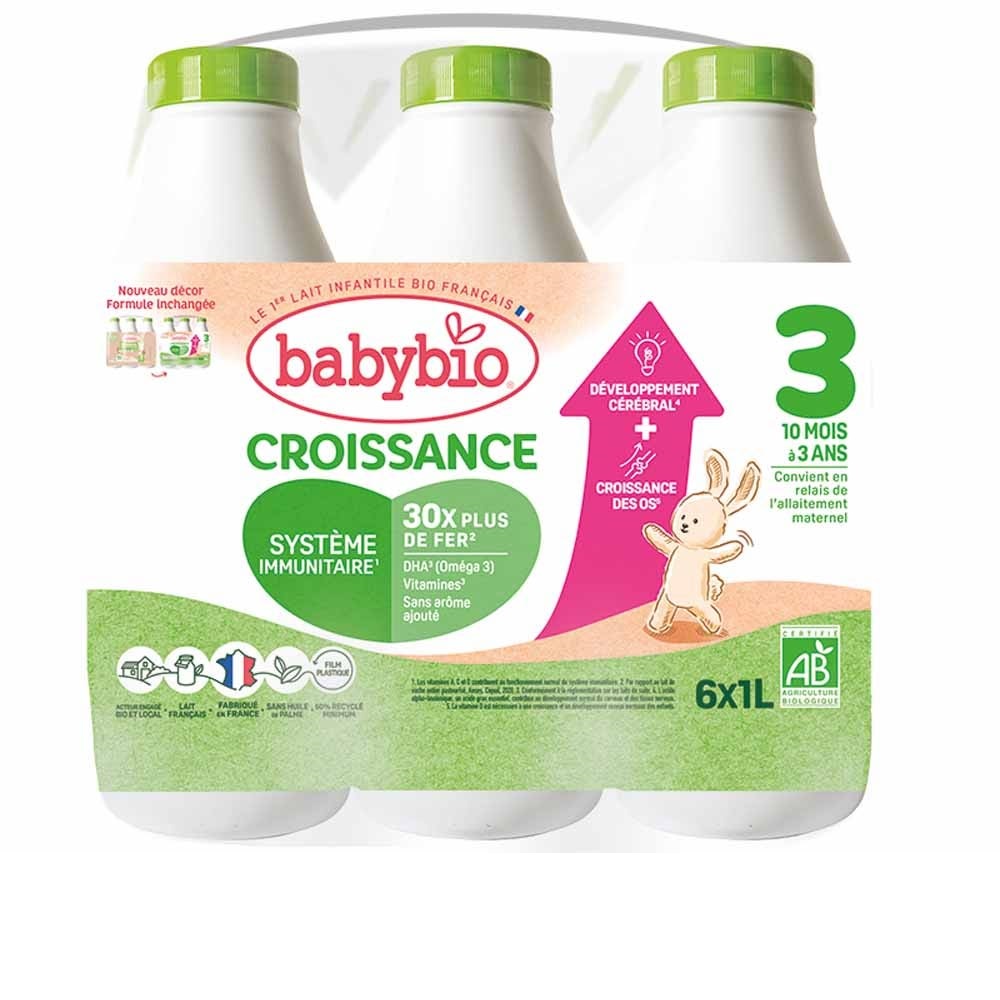
Why It Stands Out: Supplied in a six-bottle pack of one-litre cartons, this organic liquid formula is ready to pour straight into a bottle or beaker without needing water measurement or powder mixing. It provides essential iron and vitamin D to support development from ten months onwards. Once opened, each bottle can be kept safely in the refrigerator for up to 48 hours.
Pros:
Who is it for? Busy parents who want the convenience of certified organic ready-to-drink milk without the preparation time of powdered tins.
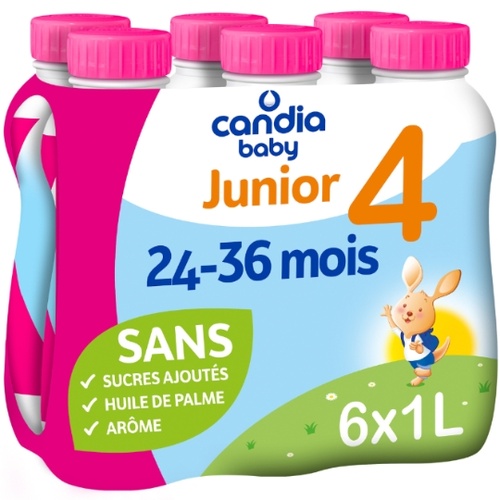
Why It Stands Out: Formulated with 80 percent cow milk, this practical six-pack of one-litre liquid bottles delivers targeted daily minerals including iron, zinc and iodine. Designed for older toddlers, it pours easily into cups or breakfast bowls to complement family meals. Like other liquid options, each bottle remains fresh in the fridge for up to 48 hours after unsealing.
Pros:
Who is it for? Parents seeking a mineral-fortified dairy drink that eases the transition from infant formula towards everyday family milk.
If you are looking for infant starter milks, specialised lactose-free alternatives or different pack sizes, browse our wider selection of baby food and formulas. View All Baby Milk Formulas
Both formats deliver comparable nutritional support, so your choice depends on daily routine and storage preferences. Powder tins keep longer in the pantry and allow you to tailor bottle sizes down to the exact millilitre, making them cost-effective for variable appetites. Liquid bottles eliminate measuring and mixing, offering maximum convenience during rushed mornings or travel.
Liquid milk formulas must be refrigerated immediately after opening and consumed within 48 hours. Ensure the cap is securely fastened and keep the bottle on a main refrigerator shelf rather than the door, where temperature fluctuations can compromise freshness.
Follow-on milks typically support infants from around six months, whereas growing-up milks (often labelled stage 3 or junior) are formulated for toddlers from ten to twelve months upwards. These formulas serve as a transitional bridge, providing elevated iron, essential fatty acids and vitamins that whole cow milk does not supply in sufficient quantities during early weaning.