For children under 3, skimmed milk isn’t the right choice for breakfast: Manger Bouger says that skimmed, semi-skimmed and 0% products are not suitable for this age group. Before the age of one, the choice depends on the stage of infant feeding; from 1 to 3, Manger Bouger recommends growing-up milk where possible, with UHT whole milk as another option within its guidance. From the age of 3, Anses says cow’s milk can meet a child’s nutritional needs, but the word “skimmed” alone isn’t enough to guide your choice.
Who is this choice for?
Parents of a child under one
For a baby under one, the question is whether to use breast milk and/or infant formula suitable for their age, rather than ordinary skimmed milk. Anses distinguishes between infant milks according to their intended stage of use.
Parents of a child aged 1 to 3
For breakfast, choose between the milk categories recommended for this age group. Manger Bouger recommends growing-up milk where possible and points out that skimmed, semi-skimmed and 0% products are not suitable for children under 3.
Parents concerned about a possible allergy or intolerance
A “lactose-free” label doesn’t, on its own, address concerns about cow’s milk proteins. Anses notes that specially formulated feeds may be prescribed by a doctor in some situations. Ask a healthcare professional for advice before changing milk.
Which milk and what to look for at each age
Under one
Choose: breast milk and/or infant formula for the stage that corresponds to your baby’s age, in line with Anses guidance.
Bear in mind: ordinary milk, even when enriched, is not a substitute for suitable infant formula.
From 1 to 3
Recommended: growing-up milk where possible, particularly because it is enriched with iron, according to Manger Bouger.
Another option: Manger Bouger describes the use of UHT whole milk. If this is the milk you give your child, the place of iron-rich foods in their meals also matters.
From the age of 3
Guidance: Anses identifies this as the age from which cow’s milk can meet a child’s nutritional needs.
Check: the right product will still depend on its label, the rest of your child’s diet and any specific circumstances.
Once you’ve chosen the milk category for your child’s age, compare the information on the packaging and consider any preparation or storage requirements.
| Criteria |
What to check |
Who this matters to |
| Age and milk category |
Infant stage or age guidance; under 3, rule out products labelled skimmed, semi-skimmed and 0%, in line with Manger Bouger guidance. |
When my child is still very young, I want to avoid choosing milk intended for a different age group. Around 46% of consumers would make this their main priority. |
| How milk fits into meals |
From 1 to 3, look for growing-up milk enriched with iron. If you give your child UHT whole milk, also consider iron-rich foods, as Manger Bouger advises. |
If my child is already eating a varied diet, I want to understand what milk provides in addition to other foods. This would be a priority for around 36% of consumers. |
| Pack size and storage |
After opening, read the instructions for the specific product, particularly the storage temperature and how soon it should be used. |
I prefer a pack size I can prepare and use within the recommended time, without keeping opened milk longer than necessary. Convenience would come first for around 18% of consumers. |
Mistakes to avoid
-
Choosing “less fat” without considering your child’s age
Manger Bouger says that 0%, skimmed and semi-skimmed products are not suitable for children under 3. So a lower fat content alone isn’t a good way to choose milk.
Start by checking your child’s age and the milk category before comparing brands, pack sizes or other information on the label.
-
Replacing infant formula with an ordinary drink before the age of one
Anses states that ordinary drinks of animal or plant origin are not a substitute for breast milk and/or first and follow-on infant formula.
Check which stage of infant formula is suitable for your baby’s age. If you have feeding difficulties or specific medical concerns, ask a healthcare professional for advice.
-
Using the same storage guidance for every opened milk product
Instructions vary by product. For opened sterile liquid infant formula, ameli advises keeping it in its original packaging for up to 48 hours at between 0 and 2 °C. For its UHT skimmed milk enriched with vitamin D, Lactel advises storage at no more than 6 °C and use within 3 days of opening.
Follow the instructions for the milk you’re using; don’t apply guidance for ordinary UHT milk to infant formula.
Brands to know and how their products fit
Lactel
Lactel offers a range of ordinary UHT milks, including skimmed milk enriched with vitamin D. This particular product is not infant or growing-up milk.
- For its skimmed milk enriched with vitamin D, Lactel states that it contains 0% fat, 120 mg of calcium and 1,5 µg of vitamin D per 100 mL.
- This composition does not change Manger Bouger’s guidance: skimmed products are not suitable for children under 3.
Joybuy products by age group
This selection includes milks for young children and a follow-on formula. To choose between them for breakfast, start with the age shown on each pack: “from 10 months”, “from 12 months” and “stage 2” refer to different stages.
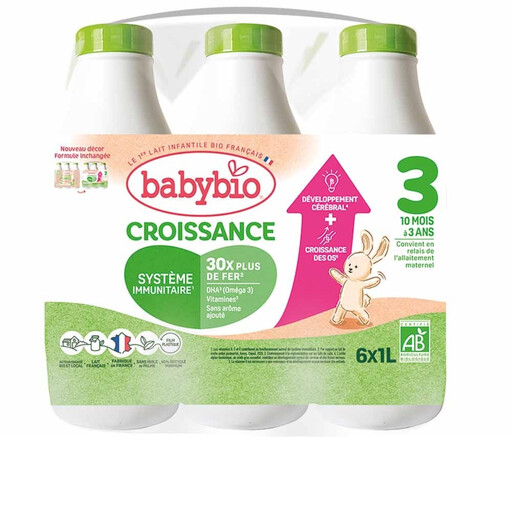 Image unavailable
BABYBIO Liquid Toddler Milk, 6 × 1 L
Before considering this liquid milk for young children, first check that your child’s age matches the category shown on the packaging, particularly if they are under one.
Pack of 6 × 1 L containers, according to the product name. Also check the storage instructions after opening.
View on Joybuy
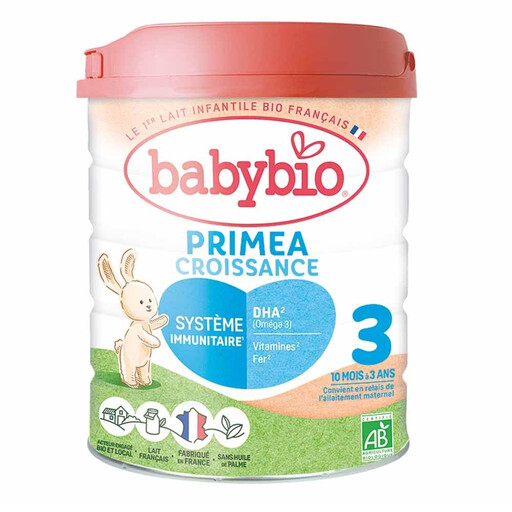 Image unavailable
BABYBIO Primea 3, powdered milk from 10 months, 800 g
This powdered milk is labelled “from 10 months”. If your child is under one, check that this stage is right for them.
800 g tin. Follow the preparation and storage instructions on the product.
View on Joybuy
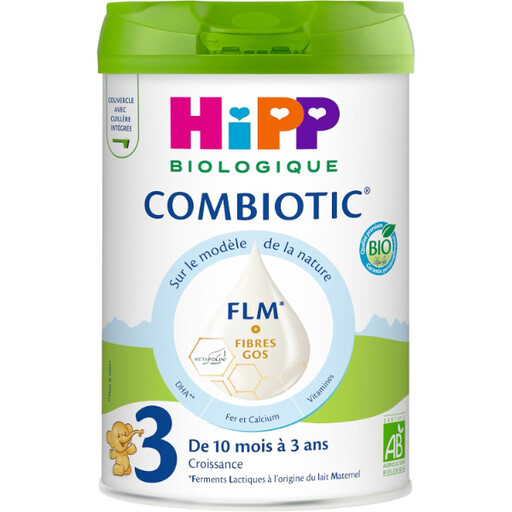 Image unavailable
HIPP Combiotic 3, growing-up milk from 10 months to 3 years, 800 g
The stated age range is from 10 months to 3 years. If your child is under one, check that this category is right for their stage of feeding.
800 g powdered formula. Prepare and store it according to the instructions on the packaging.
View on Joybuy
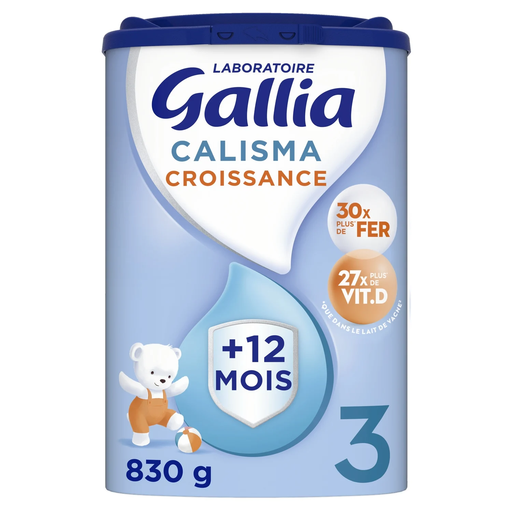 Image unavailable
Laboratoire Gallia Calisma Croissance 3rd age, from 12 months, 830 g
This growing-up milk is labelled for use from 12 months. Check this age guidance before choosing it for breakfast.
830 g powdered formula. Follow the product’s preparation and storage instructions.
View on Joybuy
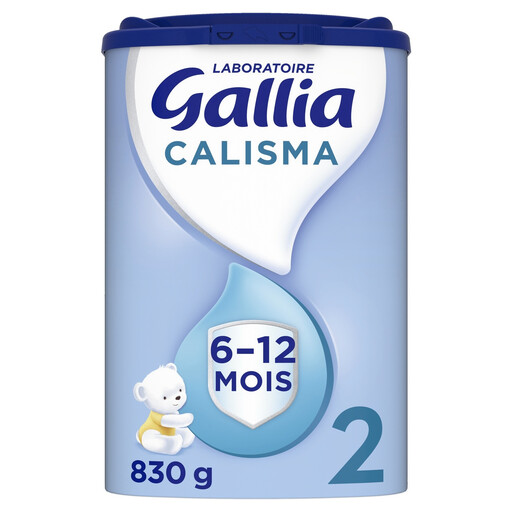 Image unavailable
Laboratoire Gallia Calisma stage 2, from 6 months, 830 g
This powdered follow-on formula is a stage 2 option. Check that this stage and the “from 6 months” guidance are suitable for your baby’s age.
830 g tin. Follow the instructions on the packaging for preparing each bottle.
View on Joybuy
Frequently asked questions
Is skimmed milk suitable for breakfast before the age of 3?
No. Manger Bouger says that skimmed, semi-skimmed and 0% products are not suitable for children under 3. An enrichment claim on the label does not turn ordinary skimmed milk into infant or growing-up milk.
Which milk should I choose for a baby under one?
Choose breast milk and/or infant milk suitable for your baby’s age, rather than ordinary milk. Anses distinguishes between stage 1 and stage 2 formula. Check the stage shown on the product instead of relying on the word “milk” alone.
Can a child aged 1 to 3 drink UHT whole milk?
Yes. Manger Bouger describes this as an option, while recommending growing-up milk where possible, particularly because it is enriched with iron. If you choose UHT whole milk, also consider the iron-rich foods in your child’s meals.
How long can opened liquid infant formula be kept?
For opened sterile liquid infant formula, ameli recommends keeping it in its original packaging for no more than 48 hours at between 0 and 2 °C. Check the instructions for the product you’re using: those for ordinary UHT milk are not interchangeable with those for infant formula.
Can lactose-free milk replace suitable milk if an allergy is suspected?
No. A “lactose-free” label alone doesn’t address a suspected allergy to cow’s milk proteins. Anses refers to specially formulated feeds that may be prescribed by a doctor. Ask a healthcare professional for advice before making any substitution.


