For a child aged 1 to under 3, don’t replace whole milk with semi-skimmed, skimmed or 0% milk at snack time: Manger Bouger, the French public health website, says these types are not suitable for children under 3. Before the age of 1, ordinary cow’s milk is not a substitute for breast milk or suitable infant formula, as Anses points out. If your child has symptoms after drinking milk or has specific medical instructions to follow, seek medical advice before switching products.
Who is this guide for?
Parents of children aged 1 to under 3
You’re looking for milk to serve at snack time to a child who is eating a varied diet. Age is the first thing to consider: according to Manger Bouger, 0%, skimmed and semi-skimmed milk are not suitable for children under 3.
Parents considering reduced-fat milk
You’re comparing the milk your child drinks with the milk enjoyed by the rest of the household. Before the age of 3, the word ‘light’ is no substitute for checking the type of milk and the age stated on the packaging, in line with Manger Bouger’s recommendations.
Parents whose child has symptoms after drinking milk
You’re wondering whether a lactose-free product might be suitable. The French health insurance service, Assurance Maladie, recommends seeking advice if lactose intolerance is suspected in a child. A food allergy also needs to be assessed by a medical professional.
What should you check before buying?
Start with your child’s age and any medical advice they need to follow, then check the type of milk on the packaging. For a child aged 1 to under 3, the format and storage instructions come after choosing the right type.
| Factor |
What to check |
Who it matters to |
| Age and fat content |
Check your child’s age. If they are aged 1 to under 3, look for ‘whole’ rather than ‘semi-skimmed’, ‘skimmed’ or ‘0%’. |
If my child is aged 1 to under 3, I want to avoid serving them the household’s reduced-fat milk at snack time. Around 50% of shoppers put choosing milk that’s right for their child’s age at the top of their list of concerns. |
| Symptoms and allergens |
If your child has symptoms or a diagnosed allergy, follow medical advice. Don’t confuse ‘lactose-free’ with being free from milk proteins. |
When my child reacts after drinking milk, I want to understand why before switching products. For around 30% of shoppers, tolerance and medical advice take priority over other factors. |
| Pack size and storage |
Compare the volume with your household’s needs and check the storage instructions for the specific product once opened. |
I prefer to buy an amount we can use within the stated time once the container has been opened. Avoiding waste is the main concern for around 20% of shoppers. |
Mistakes to avoid
-
Serving your child the household’s reduced-fat milk at snack time
Adults’ habits aren’t a guide for children under 3: Manger Bouger advises against 0%, skimmed and semi-skimmed milk for this age group.
Check your child’s age first, then look for ‘whole’ on the product you’re considering.
-
Replacing infant milk with cow’s milk before the age of 1
According to Anses, ordinary drinks made from animal or plant sources are not a substitute for breast milk or suitable infant formula before the age of 1.
For a baby, choose their milk feeds according to their age and the advice of their healthcare professional.
-
Assuming ‘lactose-free’ will solve every reaction to milk
Lactose-free milk may still contain milk proteins. So the label alone is not enough if you suspect an allergy; it also doesn’t tell you the fat content. Lactel, for example, offers a lactose-free product with 1,2 % fat.
If your child has symptoms, seek medical advice rather than switching milk at random, and read the product’s full ingredients list.
-
Buying a large pack without planning for storage once opened
For the UHT whole milk products mentioned in their product information, Candia and Auchan advise storing at +6 °C maximum and using within 4 days of opening.
Choose a volume that suits how you use it and follow the instructions on the pack you buy.
Milk brands to compare
These brands offer useful points of comparison when reading labels; ingredients and instructions vary from one product to another.
Lactel
The range includes Matin Léger Bio lactose-free milk with 1,2 % fat, according to Lactel.
- The stated fat content makes it easy to distinguish this product from whole milk.
- ‘Lactose-free’ does not mean ‘whole’ or ‘suitable for every child with symptoms’.
Candia
GrandLait entier is a UHT whole milk product offered by Candia.
- The brand specifies the type of milk and gives storage instructions for after opening.
- For this product, Candia advises storing at +6 °C maximum and using within 4 days of opening.
Carrefour Classic'
Carrefour offers a UHT whole milk product in this range.
- Carrefour’s product information states that it contains 3,6 g of fat per 100 ml.
- Check that the pack size and product you choose match the product information you’ve consulted.
Delisse / Marque Repère
E.Leclerc offers Delisse whole milk in packs of 6 × 1 L, among other options.
- Multipacks can be compared with your household’s needs.
- Check the nutritional information and instructions on the specific product you choose.
Auchan
Auchan offers UHT whole milk in a 1 L carton.
- Auchan’s product information states that it contains 3,6 g of fat per 100 ml.
- For this product, Auchan advises storing at +6 °C maximum and using within 4 days of opening. Check the packaging of the product you buy.
Growing-up milks available on Joybuy
These products are growing-up milks to consider if they’re suitable for your child’s age and any instructions they’ve been given. They are not a selection of whole or reduced-fat cow’s milk: before serving at snack time, check the age range, ingredients and instructions for each product.
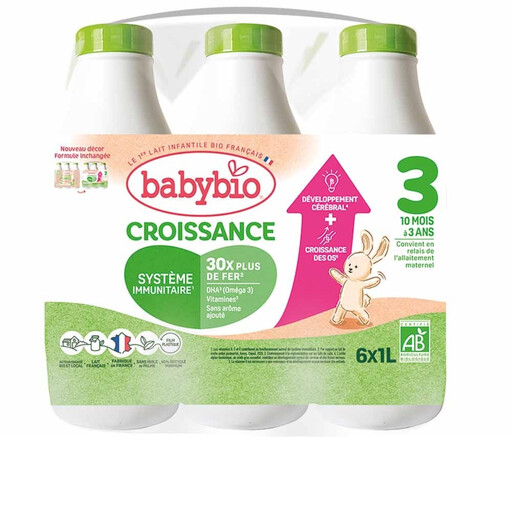 Image unavailable
BABYBIO liquid growing-up milk, 6 × 1 L
Consider this if liquid growing-up milk is suitable for your child’s age and diet. The multipack contains 6 × 1 L cartons; check the packaging for instructions on storage after opening and for allergens before use.
View on Joybuy
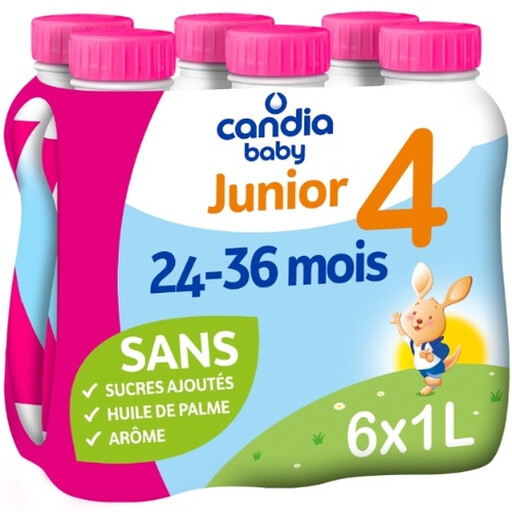 Image unavailable
CANDIA + Junior Milk 4, 6 × 1 L
Consider this for snack time if growing-up milk is suitable for your child. The multipack contains 6 × 1 L cartons; check the age stated on the packaging, allergens and storage instructions for after opening.
View on Joybuy
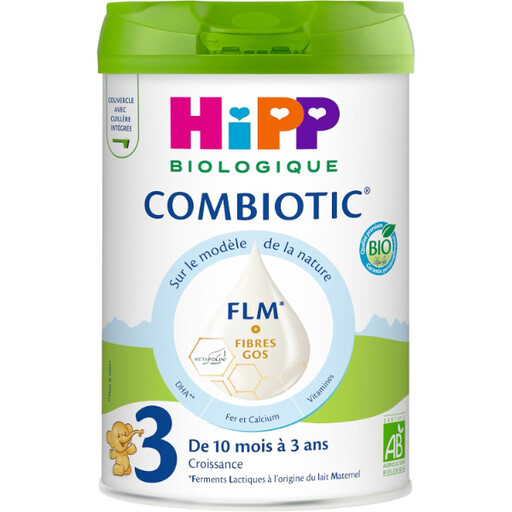 Image unavailable
HIPP Combiotic 3 Organic, 10 months to 3 years, 800 g
The age range stated in the product name is from 10 months to 3 years; check that it’s suitable for your child. The pack contains 800 g: follow the preparation instructions and check the allergen information on the packaging.
View on Joybuy
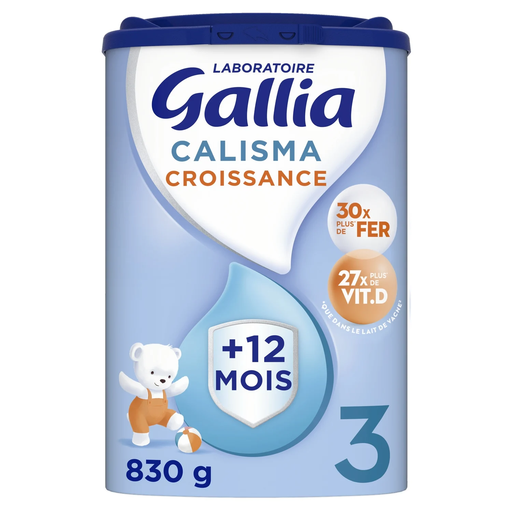 Image unavailable
Laboratoire Gallia Calisma Croissance third-stage, from 12 months, 830 g
Consider this for a child who has reached the stated age, if you’re thinking about using growing-up milk. The pack contains 830 g; read the preparation and storage instructions and check the allergen list before use.
View on Joybuy
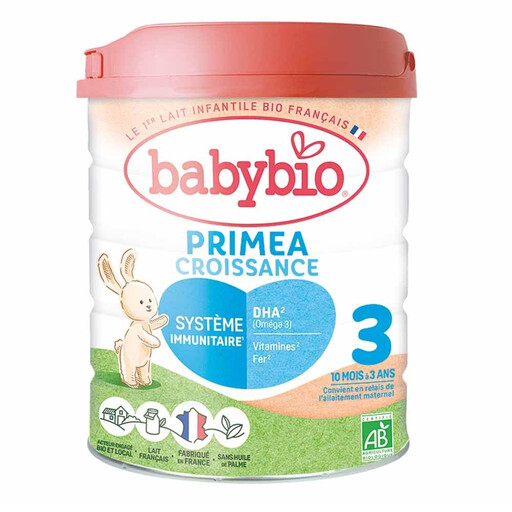 Image unavailable
BABYBIO Primea 3 powdered growing-up milk, from 10 months, 800 g
Consider this if the stated age and use of growing-up milk are right for your child. This powdered product comes in an 800 g pack; follow the preparation instructions and check the allergen information on the packaging.
View on Joybuy
Frequently asked questions
Is semi-skimmed or 0% milk suitable for a child under 3 at snack time?
No. According to Manger Bouger, semi-skimmed, skimmed and 0% milk are not suitable for children under 3. If your child is aged 1 to under 3 and can have cow’s milk, look for ‘whole’ rather than relying on the milk you usually buy for adults.
Can whole cow’s milk replace infant milk before the age of 1?
No, it should not be used as a substitute for breast milk or suitable infant formula. Anses says that ordinary drinks made from animal or plant sources are not suitable for this purpose before the age of 1.
Is lactose-free milk suitable for a child with a milk protein allergy?
Don’t assume that it is: lactose-free milk may still contain milk proteins. Assurance Maladie says that food allergies need to be diagnosed by a medical professional; follow the advice you’ve been given about which foods your child should avoid.
How long can you keep UHT whole milk after opening?
Follow the storage instructions on the product you buy. For the UHT whole milk products mentioned here, Candia and Auchan advise storing at +6 °C maximum and using within 4 days of opening.
Whole milk or growing-up milk between the ages of 1 and 3: what should you compare?
First compare the age stated and the type of product, then check its ingredients and how it fits into your child’s diet. Santé publique France recommends iron-enriched growing-up milk as an option to prioritise where possible between the ages of 1 and 3. If your child has whole cow’s milk, the iron they get from the rest of their diet also matters.


