Parents looking to limit sugary foods
For breakfast for a child under 3, you’ll want to check the ingredients before relying on a claim about fibre. Manger Bouger recommends avoiding sugary foods before this age.


For breakfast for a child under 3, don’t choose granola based on its fibre content alone. Manger Bouger recommends avoiding sugary foods before this age, while Programme Malin advises against whole nuts before the age of 5 because of the choking risk. So check the ingredients, pieces and texture before comparing fibre content.
For breakfast for a child under 3, you’ll want to check the ingredients before relying on a claim about fibre. Manger Bouger recommends avoiding sugary foods before this age.
If the granola contains nuts or hazelnuts, the shape of the ingredients and the texture when served matter more than the way its nutritional benefits are presented. Programme Malin advises against whole nuts before the age of 5.
You want to compare fibre, sugar and ingredients per 100 g, without assuming that cereal made for the whole family is automatically suitable for a toddler.
For a toddler, check the pieces and texture first, then look at the ingredients and nutritional information per 100 g.
| Concern | What to check | Who this matters to |
|---|---|---|
| Chewing and nuts | Look for whole nuts or pieces of nuts, and check the texture as it will actually be served. Programme Malin advises against whole nuts before the age of 5. | If the mix contains crunchy pieces, I want to avoid offering a texture my child can’t chew. Around 46% of consumers would make chewing safety their top priority. |
| Sugars | Read the ingredients and the ‘of which sugars’ line per 100 g. The ‘no added sugars’ claim doesn’t tell you anything about texture. | For breakfast for a child under 3, I’m looking for a recipe that doesn’t rely on sweetening ingredients. Limiting sugary foods would be the top criterion for around 36% of consumers. |
| Fibre and ingredients | Compare the fibre content per 100 g on the packaging, then check the ingredients list and allergen information again. | When comparing several family cereals, I want to understand their fibre content without assuming they’re suitable for my toddler. Around 18% of consumers would put this comparison first. |
According to Bjorg’s product information, its red berry granola contains 8 g of fibre and 12 g of sugars per 100 g; Carrefour lists cane sugar in its ingredients. Fibre content doesn’t change Manger Bouger’s advice on sugary foods for children under 3.
Compare the ingredients, sugars and fibre on the same per-100 g basis, and don’t make a sugary recipe your regular choice for a toddler.
The Grainea nut granola sold by E.Leclerc contains almonds, hazelnuts and pecans, among other ingredients. Programme Malin advises against whole nuts before the age of 5 because of the choking risk; crunchy pieces also need particular care.
Read the ingredients and check the size and shape of the pieces before considering serving the product to your child.
Auchan describes Bjorg’s plain, no-added-sugar cereals as crunchy. This claim doesn’t tell you whether the texture is suitable for your child to chew.
Check the texture as served and the allergen information separately.
Oat-based options let you compare a red berry granola with crunchy plain cereals.
Its chocolate and hazelnut protein granola shows why it’s worth looking beyond the nutritional claims and checking the recipe.
At E.Leclerc, the nut granola and porridge oats in the range are two distinct types of breakfast product.
These are oat-based products to prepare for breakfast, not ready-to-serve granolas. For a toddler, suitability also depends on the texture you achieve and the information on the packaging.
 Image unavailable
Compare this oat-based option, which you prepare yourself, with crunchy granola. Before serving it to a toddler, check the preparation instructions, the texture you achieve and the allergen information.
 Image unavailable
An oat-based breakfast option to consider instead of ready-to-eat granola. Check the texture once prepared and the allergen information before offering it to a toddler.
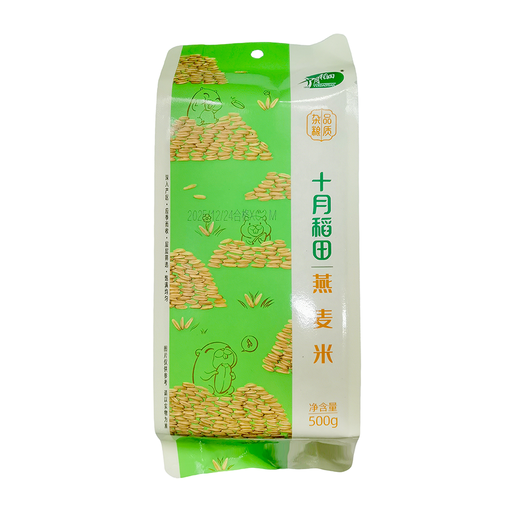 Image unavailable
For anyone who’d rather prepare oat groats than serve granola. Check the cooking instructions, then make sure the texture is suitable for your child to chew.
No. For a child under 3, first check the sweetening ingredients, nuts, allergens and texture. Fibre content doesn’t show that a product is suitable for their age.
Programme Malin advises against whole nuts before the age of 5 because of the choking risk. If the granola contains chopped nuts or other crunchy pieces, don’t assume the texture is suitable for your child. Choose another option if in doubt.
No. This claim doesn’t tell you anything about the pieces or texture. Read the ingredients list and allergen information too, then check the texture of the product once prepared and ready to serve.
Compare their nutritional information per 100 g, then check the sugars and ingredients on each pack. For a toddler, this comparison comes after checking the ingredients and texture.