Parents of a child discovering new textures
You’re looking for vegetables you can cook, then blend, mash or cut to suit what your child can chew. Ameli describes a progression from puréed foods to mashed foods, followed by small pieces.


For a toddler’s dinner, start with plain frozen vegetables, then adjust how you cook and prepare them to suit your child’s chewing ability. A pre-portioned bag can make preparation easier, while a bag you can take as much as you need from gives you more flexibility. Either way, the serving size shown on the packaging isn’t automatically the right amount to serve.
You’re looking for vegetables you can cook, then blend, mash or cut to suit what your child can chew. Ameli describes a progression from puréed foods to mashed foods, followed by small pieces.
You want to take out the amount you need or choose a smaller inner bag, without assuming that the manufacturer’s stated serving size matches your child’s appetite.
You’d rather start with plain vegetables than an already prepared recipe. Manger Bouger recommends choosing plain, unprepared frozen vegetables when making meals for young children.
When comparing a pre-portioned bag with one you can measure vegetables out of, first check the texture you can achieve after cooking. Then consider how much you need for the meal and what the product contains.
| Criteria | What to check | Consumers concerned |
|---|---|---|
| Texture and cooking | Check the size of the pieces and the cooking instructions, then plan to blend, mash or cut them if needed. | If my child isn’t comfortable with pieces yet, I want to be able to serve a suitable texture after cooking; around 42% of consumers would make this their top priority. |
| Amount for one meal | Compare the bag’s weight, any smaller inner bags and whether you can take out just the amount you need. | For one small dinner, I’d rather adjust the amount than automatically serve a whole bag; around 33% of consumers would prioritise portioning the amount. |
| Ingredients | Tell plain vegetables apart from prepared recipes and read the ingredients list, especially for seasoned products. | When I’m putting the meal together myself, I want to choose the ingredients and seasoning; around 25% of consumers would make this control their priority. |
Serving information and smaller inner bags describe the packaging, not how much a toddler needs for dinner. Even a single-serving bag may need to be shared out.
Serve an amount that suits the meal and your child’s appetite. Manger Bouger recommends starting with small amounts and, from the age of one, offering more only if your child asks.
A vegetable pan-fry or prepared purée may contain other ingredients and seasoning. It doesn’t give you the same control over what’s in the food as plain vegetables do.
Check the product name and ingredients list before choosing. If you’re preparing the meal yourself, Manger Bouger recommends plain, unprepared frozen vegetables.
A slice or floret may still need adjusting after cooking. According to ameli, moving on to small pieces depends on your child’s abilities.
Follow the cooking instructions, then prepare the cooked vegetables to suit what your child can eat: blended, mashed or cut into small pieces.
The DGCCRF points out that a rise in temperature speeds up microbial growth and can make food unsafe.
Pick up frozen food at the end of your shop, keep transport time to a minimum and follow the preparation and storage instructions on the packaging, including after opening.
The range includes plain frozen vegetables, as well as mixes and prepared recipes.
Auchan offers plain frozen vegetables and mixes, including a mixed vegetable selection packed in three 200 g bags.
Carrefour offers products including sliced carrots and courgettes, chopped spinach and frozen green beans.
The range brings together simple frozen vegetables, mixes and purées. E.Leclerc also offers a steam-cooked product packed in two 200 g bags.
These products offer a few different ways to put dinner together: a root vegetable to cook and mash if needed, chopped spinach with cream, a mix of peas and baby carrots, and peas on their own. Choose the format to suit the amount you’re preparing, and always adapt the texture you serve.
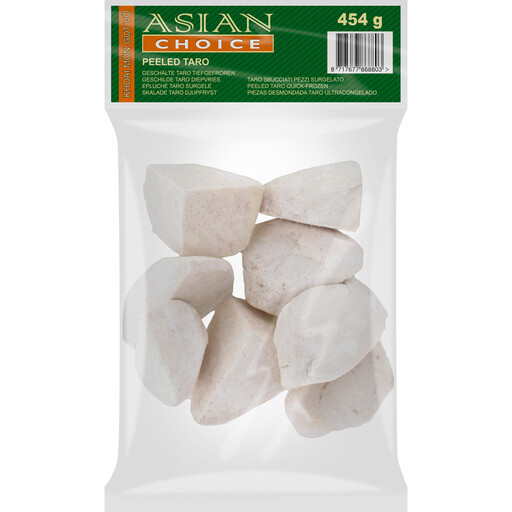 Image unavailable
If you’re preparing dinner with a texture you can adjust, cook the taro and mash it if needed.
Check the cooking instructions on the packaging and only serve pieces if their texture is suitable for your child’s abilities.
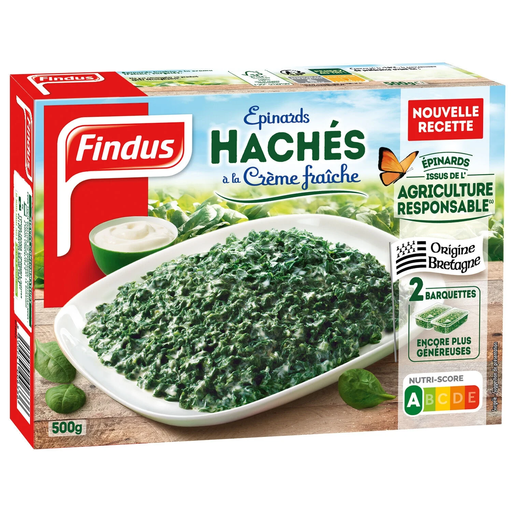 Image unavailable
If you’re considering chopped spinach for dinner, serve an amount that suits your child rather than relying on the serving size shown on the product.
This recipe contains cream: read the ingredients and allergen information, then check the texture after cooking.
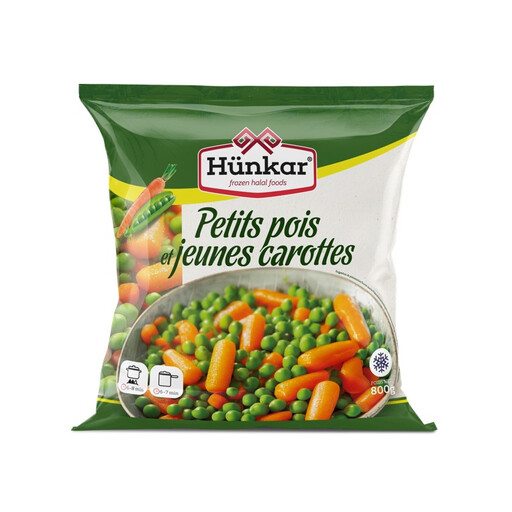 Image unavailable
This mix may suit you if you want to take out some vegetables and put the meal together yourself.
Check how much to prepare and follow the cooking instructions. Before serving, check the texture of the cooked vegetables.
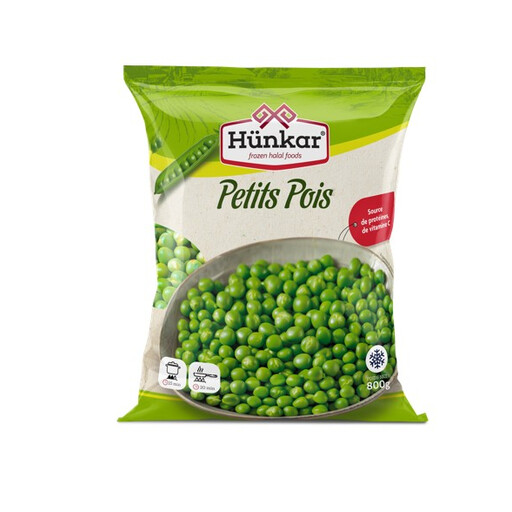 Image unavailable
To prepare the right amount of peas for the meal, take out what you need and follow the storage instructions on the bag.
Cook them according to the packaging, then adjust their texture to suit your child’s chewing ability.
No: it describes the pack, not an amount that’s automatically right for your child. Take the rest of the meal and their appetite into account. Manger Bouger recommends serving small amounts to start with and, from the age of one, offering more only if your child asks.
Plain vegetables let you decide which ingredients to add and how to season them. Manger Bouger recommends plain, unprepared frozen vegetables when making meals for young children. If you choose a prepared recipe, check its ingredients list.
Cook them according to the product instructions, then serve them in a texture your child can manage. Ameli describes a progression from blended foods to mashed foods, followed by small pieces, adapted to your child’s abilities.
To choose between plain vegetables and a prepared recipe, first check the product name, ingredients and nutritional information. The DGCCRF also lists net quantity and date among the information shown on pre-packed food labels. Check the bag for preparation and storage instructions.
Pick it up at the end of your shop, keep transport time to a minimum and follow the storage instructions on the packaging, including after opening. The DGCCRF points out that a rise in temperature speeds up microbial growth.