For a child under 3, choosing a lower-fat frozen dessert shouldn’t be a goal in itself. Santé publique France points out that young children’s fat requirements differ from those of adults and recommends introducing sugary foods as late as possible and in limited amounts. If you’re considering serving one occasionally, compare sugar and fat content on the same basis, then check the ingredients, allergens and texture of the specific product.
Who is this choice for?
Parents drawn to “lower-fat” labels
If your child is under 3, don’t apply adult nutrition criteria to their dinner. Santé publique France says that children of this age need more fat, and that 0%, skimmed and semi-skimmed dairy products are not suitable for under-threes.
Families considering an occasional frozen dessert
Before choosing ice cream or sorbet, you may want to compare the sugar and fat content, ingredients and portion size. Santé publique France recommends introducing sugary foods as late as possible and in limited amounts.
Families mindful of allergens
If an ingredient needs to be avoided, check the recipe and packaging for the exact flavour rather than relying on the dessert’s name or size. The DGCCRF notes that allergenic ingredients must be highlighted in the ingredients list.
What should you check?
For a child under 3, first decide whether you want to serve a sugary product with dinner. If it’s for an occasional treat, check the ingredients, nutrition information and guidance for the specific product you’ve chosen.
| Criteria | What to check | Consumers concerned |
|---|
| Fat |
Compare fat content on the same per-100 g basis. If it’s a dairy product for a child under 3, look out for 0%, skimmed or semi-skimmed labels. |
I’m looking for a lower-fat dessert, but I don’t want to apply adult criteria to my toddler. Around 42% of consumers might put this question first. |
| Sugars and ingredients |
Check the “of which sugars” figure per 100 g and the ingredients list for the exact product. The word “sorbet” alone doesn’t tell you how much sugar it contains. |
If I serve a frozen dessert as an occasional treat, its sugar content matters more to me than its fruity flavour. Limiting sugary foods would be the top priority for around 33% of consumers. |
| Recipe and serving |
Check the allergens, texture, portion size and storage instructions on the packaging. |
Before serving a portion to my child, I need to make sure the recipe and texture are suitable for them. This would be the top priority for around 25% of consumers. |
Mistakes to avoid
-
Assuming “lower-fat” means “suitable for a toddler”
Santé publique France distinguishes the fat requirements of under-threes from those of adults, while also recommending that sugary foods are limited. So a low fat content alone doesn’t settle whether a frozen dessert is right for dinner.
First decide whether you want to offer a frozen dessert on this occasion. If you do, check the sugars and ingredients too.
-
Judging sugar content by the word “sorbet”
Auchan’s multi-fruit sorbet lolly product listing gives a fat content of less than 0.5 g and 23 g of sugars per 100 g. These figures apply to this specific product, not to all sorbets.
Compare the “fat” and “of which sugars” figures on the same per-100 g basis for the specific products you’re considering.
-
Relying on a small portion without checking the recipe
An individual portion can still contain ingredients you need to check. For example, Picard’s pistachio mochi contains pistachio; the DGCCRF notes that allergenic ingredients must be highlighted.
If your child has an allergy or specific dietary requirements, check the packaging for the flavour you’ve bought and assess the texture before serving it.
-
Ignoring storage instructions after buying
Picard’s pistachio mochi product listing says to store it at −18 °C and not to refreeze it after thawing.
Plan your journey home after shopping and follow the storage instructions on the dessert packaging.
Retailers to compare
Carrefour
Product listings for some Carrefour frozen desserts provide their ingredients and nutritional values.
- The listing for Carrefour Extra vanilla mille-feuille frozen dessert gives a fat content of 12 g per 100 g.
- This figure isn’t enough to class this product as a lower-fat dessert or to assume it’s suitable for a toddler. Check the ingredients too, including the milk and soya listed for this product.
Auchan
An Auchan sorbet lolly product listing lets you check fat and sugar content together.
- The multi-fruit sorbet listed by Auchan contains less than 0.5 g of fat per 100 g.
- The same product contains 23 g of sugars per 100 g. Don’t assume that other sorbets from the retailer have the same ingredients or nutritional values.
E.Leclerc
The retailer offers tubs of ice cream and sorbet under its Marque Repère brand, including products sold under the Eskiss name.
- The separate categories make it easier to spot the types of dessert you can compare.
- To assess sugars, fat or allergens, check the nutritional information and recipe for each product.
Picard
Picard offers individual frozen desserts, including a 26 g pistachio mochi.
- The product listing for this mochi gives its size and storage instructions.
- The pistachio in this recipe is a reminder that a small portion doesn’t mean you can skip checking the ingredients, allergens and texture.
Aldi
Aldi’s frozen aisle includes ice creams and frozen desserts, including products from the Mucci range.
- You can compare individual products by type and portion size.
- Before choosing a product for dinner, read its own label: the aisle name won’t tell you about its sugars, fat or allergens.
Frozen desserts to explore on Joybuy
These ice lollies and sorbets are examples to explore if you’re considering an occasional frozen dessert. Their inclusion here doesn’t mean they’re suitable for a child under 3. Check the packaging, texture and serving guidance before making a decision.
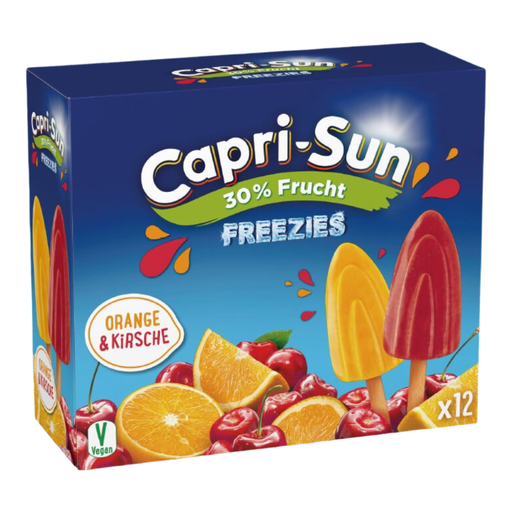 Image unavailable
CAPRI-SUN Orange & Cherry Ice Pops, x12, 444 g
This pack of ice lollies could be considered for an occasional treat. Compare sugars and fat on the same basis, then check allergens and texture before considering serving one to a toddler.
View on Joybuy
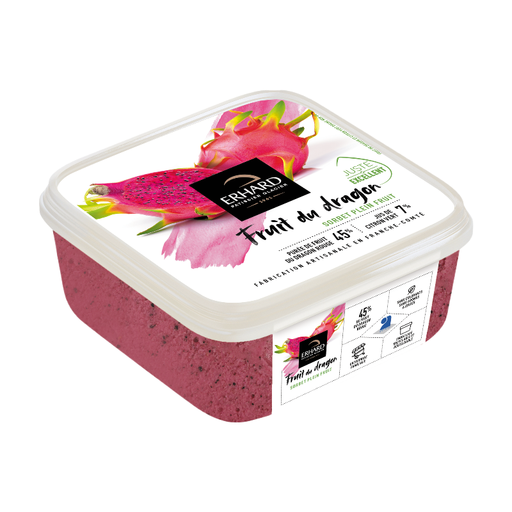 Image unavailable
ERHARD Dragon Fruit Lime Sorbet, 488 g
To compare this sorbet with another frozen dessert, check both the sugars and fat per 100 g. Look at the ingredients, allergens, portion size and texture rather than judging by the word “sorbet” alone.
View on Joybuy
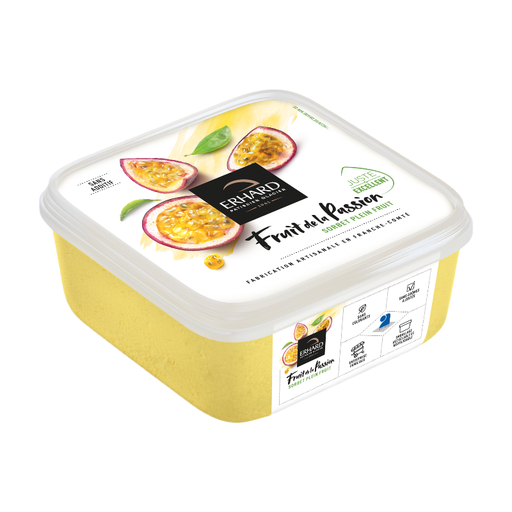 Image unavailable
ERHARD Full Fruit Passion Fruit Sorbet, 488 g
If you’re comparing several fruit sorbets, check their nutritional information on the same basis. For this passion fruit recipe, also check the allergens and storage instructions before buying.
View on Joybuy
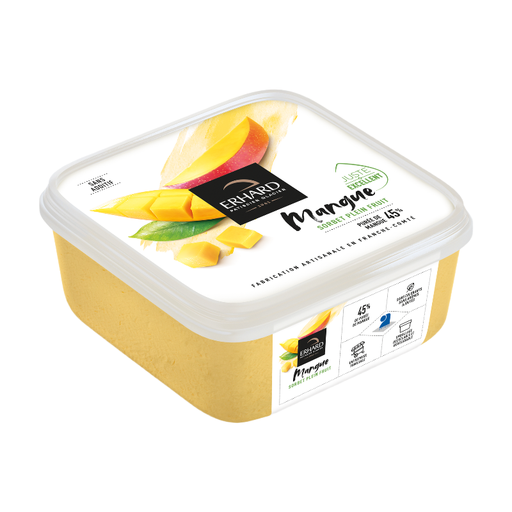 Image unavailable
ERHARD Full Fruit Mango Sorbet, 488 g
For this mango recipe, don’t make fat content your only deciding factor. Check the sugars, ingredients and allergens too, and assess the texture if you’re considering it for a toddler.
View on Joybuy
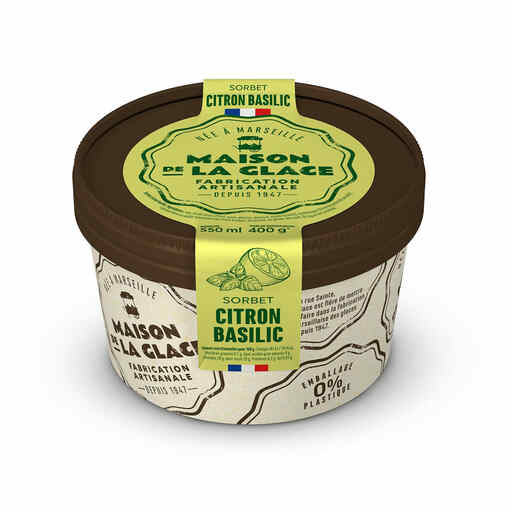 Image unavailable
Maison de la Glace Lemon Basil Sorbet, 380 g
If you’re considering this lemon and basil sorbet, check the basis used for the nutritional values on the packaging before comparing its sugars and fat with another product. Also check the allergens and texture before serving it to a toddler.
View on Joybuy
Frequently asked questions
Should you choose a lower-fat frozen dessert for a child under 3?
No, this isn’t a general nutritional goal for this age group. Santé publique France points out that children under 3 need more fat than adults and that 0%, skimmed and semi-skimmed dairy products aren’t suitable for them. It also recommends introducing sugary foods as late as possible and in limited amounts.
Is sorbet always lower in sugar than ice cream?
No, the word “sorbet” doesn’t tell you how much sugar a product contains. The multi-fruit sorbet listed by Auchan contains less than 0.5 g of fat but 23 g of sugars per 100 g. Compare both figures on the same basis for the specific products you’re interested in.
What should you check on the label of a pre-packed frozen dessert?
Check the sugars and fat, then read the ingredients list and allergen information for the specific product. The DGCCRF says that allergenic ingredients must be highlighted, and that nutritional values are given per 100 g or 100 ml to make comparisons easier.
How should you store a frozen dessert after shopping?
Follow the instructions on the packaging of the product you’ve bought. Picard’s pistachio mochi product listing says to store it at −18 °C and not to refreeze it after thawing.


