
Livraison le jour même ou le lendemain

Qualité garantie

Débloquez vos offres de bienvenue: Livraison GRATUITE | Jusqu'à -80 % | 30 jours d'essai gratuits à JoyPlus
Téléchargez l'application
As parents or grandparents, finding an activity that is fun, educational, and doesn't turn your living room into a creative war zone is a real challenge. The market is full of promises, but how can you tell a worthwhile investment from a marketing gimmick? As the Product Curation Specialist at Joybuy, my role is to help you navigate the options by focusing on objective criteria: safety, practicality, and developmental value for young children.
Before we unveil our top picks, here are some key guidelines to inform your choice, aligned with the expectations of modern families and current safety standards.
The primary concern for any hands-on activity for 2- to 4-year-olds is safety. A product sold for children within the European Union must carry the CE mark. This marking indicates that the manufacturer declares the product meets European safety requirements. For drawing activities, look for the "non-toxic" label. This ensures that if a child puts a crayon in their mouth, the risks are minimized.
Creativity shouldn't mean a major cleanup chore. The terms "washable" or "ultra-washable" are your best friends. Washable crayons or markers that come off skin, clothes, and most smooth surfaces with just water are a game-changer. Similarly, a reusable water coloring book is a smart choice, offering hours of mess-free fun with a simple water pen.
A first drawing kit must be designed for little hands. Large-diameter crayons or markers ("jumbo" size) are easier to grip and help develop fine motor skills. They allow children to build confidence and focus on their creative expression rather than struggling to hold the tool.
With these criteria in mind, here are a few options that stand out for their thoughtful design for young children.
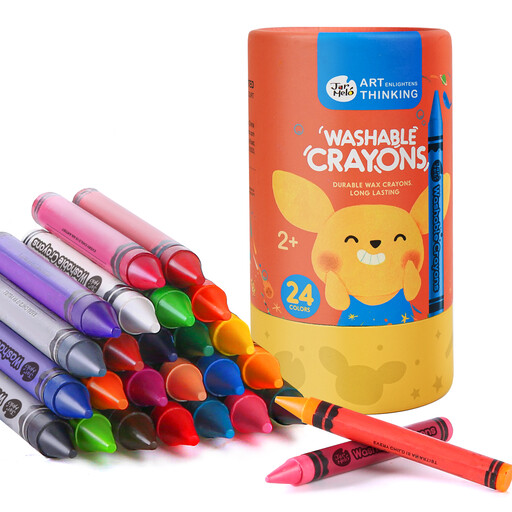
Why We Recommend It This set of 24 Jar Melo crayons meets several fundamental needs for both parents and children. The formula is non-toxic and designed to wash off skin and most fabrics easily. Their "jumbo" size is perfectly ergonomic for toddlers' hands, making it an excellent creative gift for a toddler just starting to draw.
Pros:
Who is this product for? Ideal for children aged 2 to 4 who are discovering the joy of coloring. It's a smart choice for a first art set at home, in daycare, or as a birthday gift.
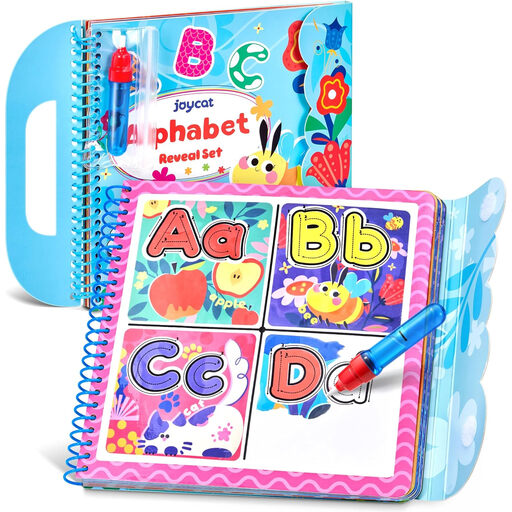
Why We Recommend It This book is the very definition of a mess-free travel activity. Simply fill the included pen with tap water, and colors appear on the pages as if by magic. Once dry, the pages turn white again, ready to be reused. The alphabet theme, with letters to trace, adds an early educational element.
Pros:
Who is this product for? Perfect for parents looking for a quiet, independent activity for their children (ages 3-5), especially during travel, at restaurants, or in waiting rooms.
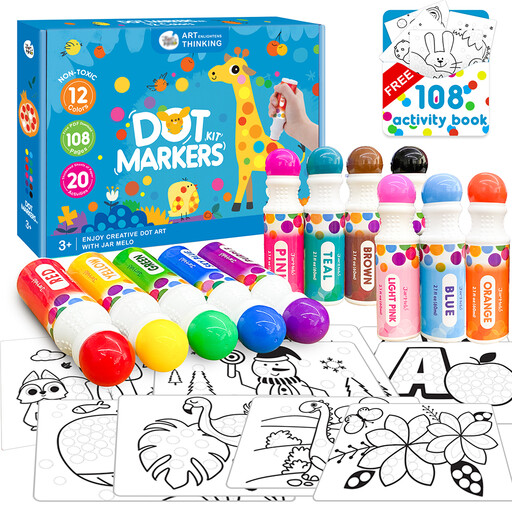
Why We Recommend It These non-toxic dot markers offer a different approach to drawing. Instead of tracing lines, children can create dots, which is an excellent exercise for developing hand-eye coordination. The grip is simple, and the water-based ink is washable. The kit includes an activity booklet and access to downloadable sheets, extending the playtime value.
Pros:
Who is this product for? Recommended for children learning colors and shapes, as well as for early childhood professionals looking for original, easy-to-clean educational materials.
Children's creativity isn't limited to drawing. Finger painting, modeling clay, stickers, or bead kits are all great ways to spark their curiosity. Each activity develops different skills, from fine motor control to texture recognition.
To discover a wider range of items suited for every stage of your child's development, feel free to browse our complete category of educational supplies.
1. At what age can a child start using an arts and crafts kit? As early as 18-24 months, with adult supervision, a child can start with very simple and safe tools: large, non-toxic crayons, edible finger paints, or big stickers. The key is to choose products specifically designed for toddlers, with no small, detachable parts.
2. How can I be sure a product is truly "washable"? The "washable" or "ultra-washable" label on the packaging is a good indicator. It generally means the ink comes off skin and most common fabrics (like cotton and polyester) easily with warm water and soap. For delicate surfaces or fabrics, it's always wise to do a small spot test in an inconspicuous area first.
3. What is the advantage of a water coloring book over a traditional one? Its main advantage is a combination of three factors: it's reusable, making it a sustainable toy; it's mess-free, as it only uses water; and it's highly engaging for young children due to the "magical" effect of the colors appearing. It's an especially popular solution for travel and quiet time.