What should you check before choosing?
First decide whether a biscuit belongs in this occasional snack; then compare like-for-like products and check the packaging of the one you plan to serve.
| Consideration |
What to check |
Consumers concerned |
| How sweet foods fit in |
The ‘of which sugars’ figure per 100 g and, if shown on the packaging, per biscuit or portion; how often you plan to serve it. |
For a regular snack, I’d rather not make chocolate biscuits part of my toddler’s routine. Around 42% of consumers would prioritise limiting sweet foods. |
| Ingredients and allergens |
The ingredients list and any ‘may contain’ warnings on the pack you actually buy. |
If an ingredient is a problem for my child, the product’s composition matters more than the biscuit’s shape or appearance. This would be the main concern for around 33% of consumers. |
| Texture and portion size |
The biscuit’s texture in relation to your child’s chewing ability, and the amount you’ll serve under supervision. |
My child is still learning to manage pieces, so I want to assess the texture and control how much I give them. Around 25% of consumers would prioritise texture and portion size. |
Chocolate-coated biscuits to explore on Joybuy
These are standard chocolate biscuits to consider only if you’re thinking of offering an occasional snack to a child who can already manage pieces. Compare their labels and textures before deciding whether to serve them.
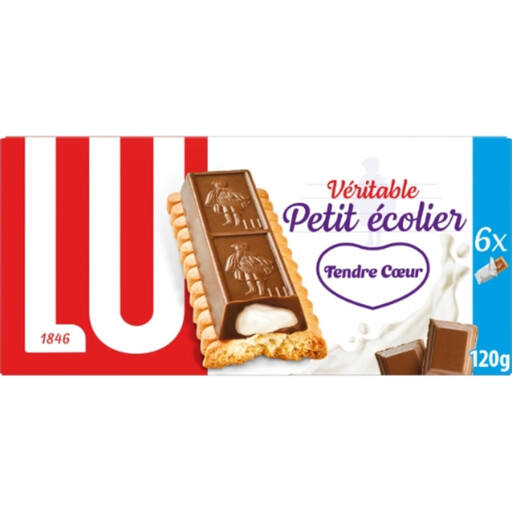 Image unavailable
LU Scholiertje Met Melk, 6 biscuits, 120 g
The six-biscuit pack makes it easy to decide how many to offer for an occasional treat; the 120 g pack is not a child-sized portion.
Check the sugar content, allergens and texture on the packaging before serving this biscuit to a toddler.
View on Joybuy
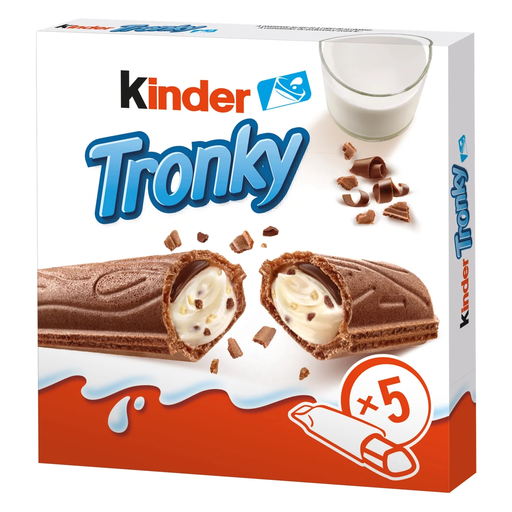 Image unavailable
Kinder Tronky, milk chocolate wafers, 90 g
If you’re comparing chocolate wafers for an occasional snack, pay particular attention to their texture and how it relates to your child’s chewing ability.
The pack weighs 90 g; check its label for nutritional values, ingredients and allergens.
View on Joybuy
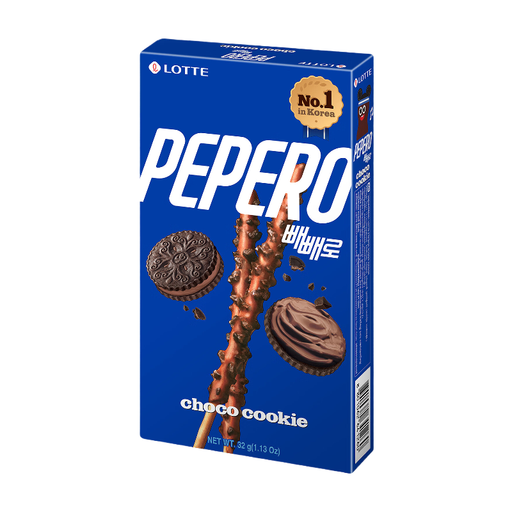 Image unavailable
LOTTE PEPERO Chocolate Cookie, 32 g
With these chocolate biscuit sticks, decide how many to serve rather than treating the whole pack as a portion suitable for a toddler.
The pack weighs 32 g. Check the ingredients, allergens and texture on the product you receive.
View on Joybuy
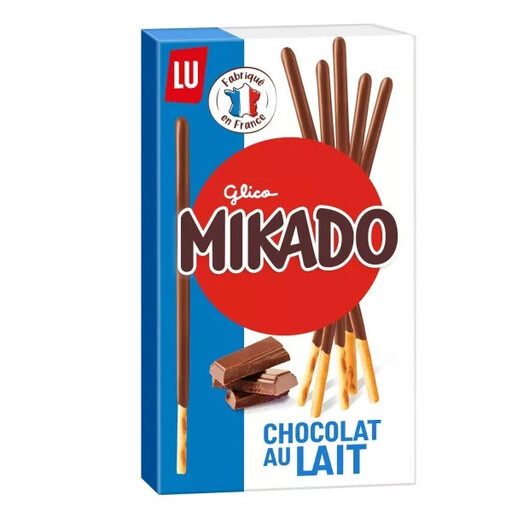 Image unavailable
Mikado milk chocolate, 100 g
The stick format makes it easy to choose how many to offer, without treating the whole pack as a child-sized portion.
The pack weighs 100 g. Before serving, check the crunchy texture, ingredients and any ‘may contain’ warnings.
View on Joybuy
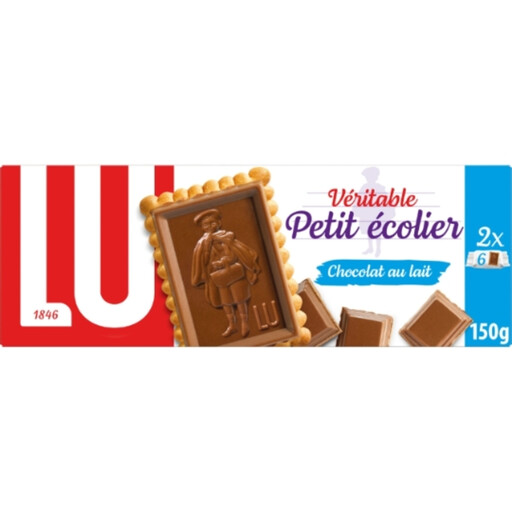 Image unavailable
LU Petit Écolier milk chocolate, 150 g
This butter biscuit covered in milk chocolate fits the bill if you’re looking for a coated biscuit for an occasional treat, not an everyday snack for under-threes.
The pack weighs 150 g. Read the label to compare sugar content, check allergens and assess the texture before offering one.
View on Joybuy
Frequently asked questions
Does the French ‘soda tax’ apply to chocolate biscuits?
No. The levy described by Légifrance applies to drinks and liquid drink preparations under the conditions set out in the code, not solid biscuits. To choose a biscuit, compare its composition and nutritional values instead.
Is Nutri-Score compulsory on a pack of biscuits?
No. According to the DGCCRF, Nutri-Score is voluntary, while the relevant pre-packed foods must carry a nutrition declaration. If the score is shown, use it alongside the nutritional information and ingredients list to compare similar biscuits, not as approval for a toddler.
At what age can you offer a chocolate-coated biscuit?
There’s no single age that tells you whether a standard biscuit’s texture is suitable for every child. Assurance Maladie describes a gradual move to small pieces: check your child’s current abilities and supervise them if they eat a biscuit. Manger Bouger also recommends introducing sweet foods as late as possible and in limited amounts.
Which allergens should you check on the packaging?
Check the ingredients list and any warnings about traces for the specific product you’re buying. Product information for LU, BN and Carrefour biscuits, found on French retailers’ websites, lists wheat, milk or soya, depending on the recipe. If your child has an allergy, follow their specific guidance rather than relying on a general comparison between biscuits.


