For a regular snack for a child aged 0 to 3, don’t choose an individual chocolate bar. Santé publique France recommends introducing sugary products as late as possible and in limited quantities, while Assurance Maladie advises limiting sugar and fatty foods at this age. If you’re considering chocolate for a special occasion, take your child’s age and ability to chew into account, then check the ingredients, allergens and nutritional information for the product you’ve chosen.
Who is this for?
Parents looking for an everyday snack for a child aged 0 to 3
An individual pack doesn’t make a confectionery product suitable for a regular snack. Santé publique France advises introducing sugary products as late as possible and in limited quantities; Assurance Maladie recommends limiting sugar and fatty foods for children aged 0–3.
Parents considering chocolate for a special occasion
This is different from choosing a snack for every day. Before choosing a pre-packed product, check its ingredients, allergens and nutrition declaration, taking your child’s age and ability to chew into account.
Parents mindful of food allergies
If you’re choosing an assorted box, check the exact recipe your child might eat. The French Ministry of the Economy states that allergens in pre-packed foods must be listed and highlighted. If you have a question about an allergy, seek medical advice appropriate for your child.
What should you look for?
| What matters |
What to check |
Who is this relevant to? |
| Regular snacks |
Distinguish an everyday snack from an occasional treat; don’t choose a chocolate bar as a go-to snack for children aged 0–3. |
If snack time comes around every day, avoiding a confectionery habit should be your first priority; around 50% of consumers would put this need first. |
| Ingredients and allergens |
Read the ingredients list and check which allergens are highlighted for the specific product, particularly in an assorted box. |
If an allergy is known or a recipe raises questions, identify what the chocolate contains before offering it; around 25% of consumers would prioritise this check. |
| Portion and texture |
Don’t assume that the word “mini” means the portion is suitable; consider your child’s age and ability to chew the texture. |
An individually wrapped bar may seem easy to serve, but its portion or texture may not be right for your child; for around 25% of consumers, this would be their main concern. |
Mistakes to avoid
-
Assuming a small size makes it a suitable snack
An individually wrapped bar is still a chocolate product. Its packaging doesn’t change Santé publique France’s recommendation to limit sugary products for young children.
For a regular snack for children aged 0 to 3, look for something other than chocolate confectionery.
-
Relying on the Nutri-Score alone
According to the French Ministry of the Economy, displaying the Nutri-Score is optional. A nutrition declaration, on the other hand, is required for most pre-packed foods.
Compare the nutritional information per 100 g and read the ingredients. If the Nutri-Score appears on the packaging, don’t treat it as approval of the product for a toddler.
-
Checking the box without checking each chocolate
An assortment may contain several recipes. Check the allergens listed on the packaging for the specific chocolate you’ve chosen, especially if your child has a known allergy.
Read the information on the assortment before buying, then check the details for the specific product before serving it.
Brands to know
There are no brands to feature in this section.
Fruit-based options on Joybuy
These fruit purées and compotes come in individual pouches or pots, offering an alternative to a chocolate bar for snack time. The age guidance on each product doesn’t replace the need to consider your child’s diet and abilities.
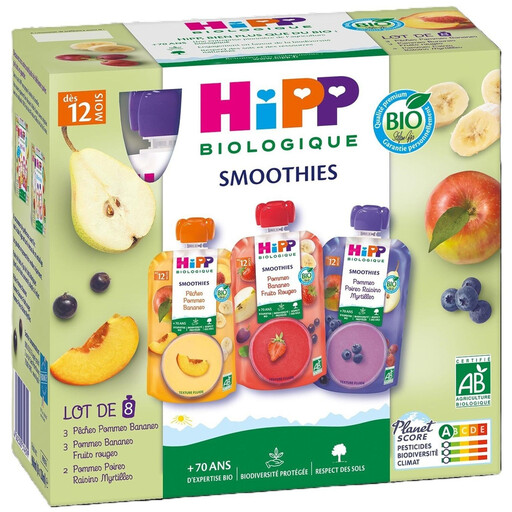 Image unavailable
HIPP Organic apple, banana, red fruit and peach compotes, 8 × 120 g
Individual fruit pouches for a snack without a chocolate bar. The pack contains 8 × 120 g pouches and is labelled as suitable from 12 months; check the ingredients and packaging instructions before serving.
View on Joybuy
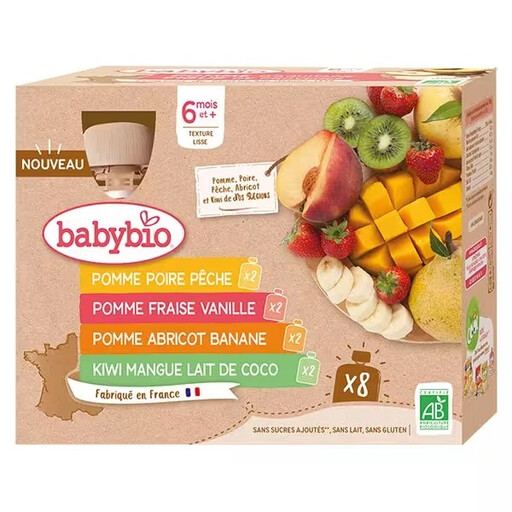 Image unavailable
BABYBIO Organic mixed fruit purée, 8 × 90 g pouches, from 6 months
Pouches offer a fruity snack option instead of a confectionery treat. The pack contains 8 × 90 g pouches; check the ingredients and allergens for the variety you’re serving, as well as how best to offer it based on your child’s independence.
View on Joybuy
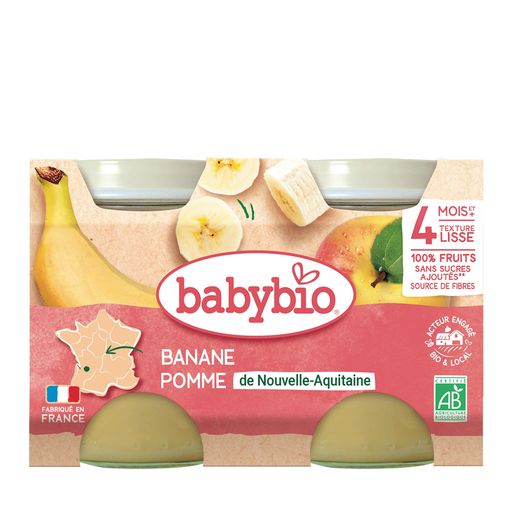 Image unavailable
BABYBIO Organic apple and banana purée, 2 × 130 g, from 4 months
A fruit purée in pots to consider instead of a chocolate bar, if it’s right for your child’s stage of weaning. The pack contains 2 × 130 g pots; the product name says “no added sugar”, which doesn’t mean it contains no naturally occurring sugars from fruit. Check the age guidance and serving instructions on the packaging.
View on Joybuy
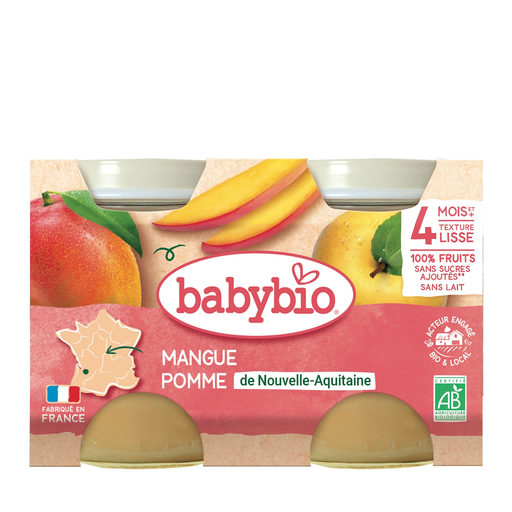 Image unavailable
BABYBIO Organic apple and mango purée, 2 × 130 g, from 4 months
Another fruit purée in pots for a non-chocolate snack, to choose according to your child’s stage of weaning. The pack contains 2 × 130 g pots; “no added sugar” in the name doesn’t mean sugar-free. Check the age guidance and serving instructions on the packaging.
View on Joybuy
Frequently asked questions
Is a “mini” bar suitable for a toddler’s snack?
Not just because it’s small. For children aged 0 to 3, Santé publique France recommends introducing sugary products as late as possible and in limited quantities. Texture and your child’s ability to chew also matter.
Is the Nutri-Score required on a chocolate bar in France?
No. According to the French Ministry of the Economy, displaying it is optional. Most pre-packed foods must, however, carry a nutrition declaration; read this alongside the ingredients list rather than relying on the logo alone.
What should you check on a box of pre-packed chocolates?
Check the ingredients and highlighted allergens, then look at the nutritional information for the specific product. If it’s an assortment, find out which chocolate might be served to your child: recipes can vary within the same box.
Does the French tax on sugary drinks apply to a box of chocolates?
No, not to a box of solid chocolates: Article 1613 ter of the French General Tax Code covers drinks and liquid preparations for drinks, subject to the conditions set out in that provision. When choosing chocolate, instead consider its ingredients and place in your child’s diet.


