Parents of 1- to 3-year-olds with busy mornings
An individual sachet can make breakfast easier to serve or take with you. Adjust the amount served to your child’s appetite, and check the ingredients in the mini-pack you choose.


For a child aged 1 to 3 who is already eating suitable textures, a mini-pack can make breakfast easier, provided you check the ingredients and don’t assume the contents are a recommended serving. Plain oats made into porridge give you more control over the quantity and texture, but take time to prepare. For a baby under 1, their age and stage of weaning should come first.
An individual sachet can make breakfast easier to serve or take with you. Adjust the amount served to your child’s appetite, and check the ingredients in the mini-pack you choose.
Plain oats let you make a small portion of porridge and adjust its texture. Manger Bouger includes porridge among the cereal products recommended for breakfast for 1- to 3-year-olds. Quaker Oats says its flakes are made from wholegrain oats only, with a warning that they may contain barley and wheat.
Under 1, your baby’s age and the textures they have already mastered matter more than convenient packaging. Manger Bouger’s guidance distinguishes between breakfast for babies under 1 and breakfast for children aged 1 to 3. So the label ‘children’s cereal’ isn’t enough to help you choose.
Start with your child’s age and the textures they can manage, then weigh up the convenience of a sachet against making a recipe yourself. To compare two recipes, check their ingredients and sugar content on the same basis: per 100 g.
| Criteria | What to check | Who is it for? |
|---|---|---|
| Recipe and texture | Ingredients list, sugars per 100 g and texture once prepared. | If I’m making porridge, I want to choose the recipe and adjust its texture for my child. Around 42% of consumers would put this need first. |
| Individual pack | The sachet weight and ingredients in the chosen variety from an assortment. | For a busy morning or a day out, I want to serve an amount from a separate pack. Convenience would be the priority for around 33% of consumers. |
| Age and allergens | Stage of weaning, texture and allergen information for each recipe. | If my child is still getting used to different textures or needs to avoid an ingredient, I need to check what’s suitable before choosing a format. Around 25% of consumers would prioritise this check. |
An individual pack makes serving easier, but its contents don’t take your child’s age or appetite into account. The 40 g serving Quaker mentions for its oats isn’t a recommended serving for a toddler.
Serve an amount that’s right for your child. For 1- to 3-year-olds, Manger Bouger presents cereal as one part of a breakfast that also includes suitable milk and fruit or purée.
Nestlé Mix and Kellogg's Variety Pack assortments contain several recipes. Check the sugar, glucose syrup, ingredients and any stated allergens in the variety you’re actually serving.
Read the ingredients list and allergen information on the pack in question, especially if your child needs to avoid an ingredient.
Manger Bouger’s guidance describes different breakfasts for babies under 1 and children aged 1 to 3. The aisle a product is sold in doesn’t tell you whether your child can manage its texture either.
If your baby is under 1 or is being weaned, check the choice and texture with their healthcare professional.
A small pack doesn’t tell you how much sugar the recipe contains. Manger Bouger points out that cereals aimed at children can be very high in sugar.
Compare the sugar content per 100 g and the ingredients lists, then consider how much you actually plan to serve.
Nestlé Mix is an assortment of six mini-packs of children’s cereal, weighing 190 g in total and containing several recipes.
The Variety Pack contains eight mini-packs of children’s cereal, weighing 215 g in total and including several recipes.
Quaker says its Oats flakes are made from 100% wholegrain oats and can be prepared as porridge.
This selection includes three oat preparations in sachets and one pack of oats to portion out at home. For a toddler, check the recipe, allergens and texture once prepared. The way a product is sold doesn’t tell you whether it’s suitable for your child.
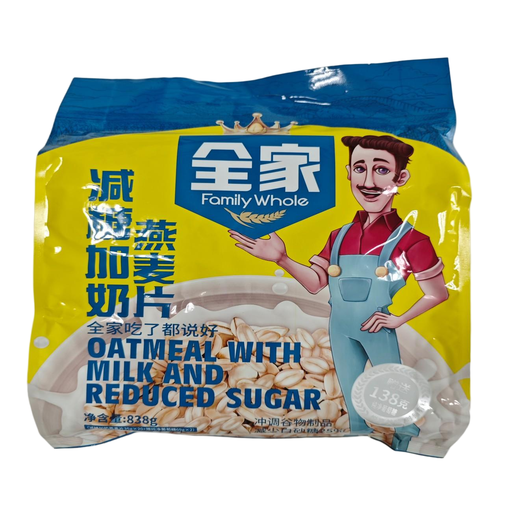 Image unavailable
The sachets make for quick preparation, but they don’t determine how much to serve a child. Check the ingredients, sugars and allergens on the packaging, along with the texture once prepared.
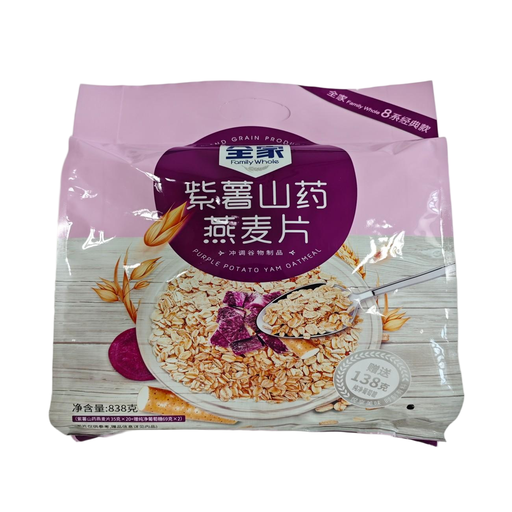 Image unavailable
This sachet variety can be prepared as needed, but check whether its texture is suitable for your child. Sugar appears in the ingredients list, while the nutritional information shows 0.0 g of sugars. Check the packaging before comparing the product.
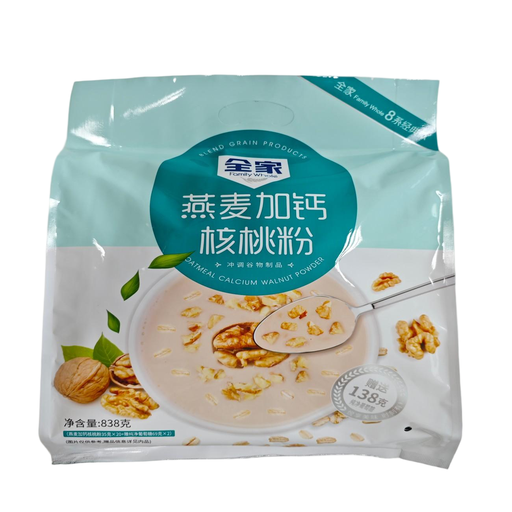 Image unavailable
The sachets make it easy to prepare a separate portion, but take extra care with the recipe if your child needs to avoid an ingredient: the product information mentions nuts and peanuts. Sugar appears in the ingredients list, while the nutritional information shows 0.0 g of sugars. Check the packaging before comparing this variety.
 Image unavailable
This pack is a good option if you want to measure out oats at home and make porridge, rather than buy individually wrapped portions. Check the allergen information and adjust the prepared texture to suit your child.
No. A sachet can provide the cereal part of breakfast, but it isn’t a complete meal on its own. For 1- to 3-year-olds, Manger Bouger suggests a breakfast combining growing-up milk, fresh fruit or purée, and a cereal product such as bread or porridge. Adjust the amount served to your child.
Don’t choose an assortment of children’s cereal based only on the aisle it’s in or its format. Manger Bouger distinguishes between breakfast for babies under 1 and breakfast for children aged 1 to 3. Your baby’s exact age, stage of weaning and ability to manage the texture should guide your choice. If in doubt, ask your child’s healthcare professional for advice.
Check the ingredients list, allergens and nutritional information for the recipe you’ve chosen, as well as the sachet weight. The DGCCRF says that prepacked food labels include an ingredients list and a nutrition declaration, among other information. Values per 100 g make it easier to compare recipes on a like-for-like basis.
No. The size of the sachet and the sugar content answer two different questions. Nestlé Mix and Kellogg's Variety Pack assortments include recipes with ingredients such as sugar and glucose syrup. Compare the sugar content per 100 g, then consider how much you’ll actually serve.