If you live alone or as a couple and don’t eat many toasted rusks, start by comparing pack weights: Carrefour and Auchan offer 225 g packs of small toasted rusks, while Auchan also offers a 500 g pack. However, a smaller pack won’t solve any concerns about texture. If the person has difficulty chewing or swallowing, ask the healthcare professional who supports them to advise on suitable textures before choosing a dry, crunchy product.
Who are these options for?
Small households looking to avoid leftovers
If one or two people eat toasted rusks from time to time, it’s worth comparing a 225 g pack with a larger one. Carrefour offers 225 g packs of small toasted rusks; Auchan sells this size as well as a 500 g pack.
Independent older people who pay attention to ingredients
If crunchy foods can be eaten without difficulty, the ingredients list, nutritional information and allergen details can help you compare products. A label such as ‘wholegrain’ or ‘no added sugar’ describes a recipe; it doesn’t mean the product is suitable for everyone.
Family members and carers supporting someone who has difficulty eating
Difficulty swallowing or unintended weight loss changes the decision. AP-HP describes dysphagia as difficulty or an obstruction affecting the passage of food; the French National Authority for Health includes unintended weight loss among the signs of malnutrition. In these situations, choosing an afternoon snack calls for individual advice.
What should you look for first?
Before comparing pack sizes and recipes, check that the person can eat the texture without difficulty.
| Consideration |
What to check |
Who it matters to |
| Texture |
If the person has difficulty chewing or swallowing, ask which textures are suitable before buying a crunchy product. |
If swallowing causes discomfort or chewing is tiring, texture matters more than pack size; around 25% of consumers put this need first. |
| Quantity |
Compare the total weight and, where stated, the number of rusks or slices. A ‘small rusk’ doesn’t necessarily mean a small pack. |
When one or two people use the product slowly, they’re mainly looking for a quantity they can finish; around 33% of consumers prioritise this need. |
| Recipe |
Check the ingredients, nutritional information and allergen details for the specific product. |
When choosing between different recipes, some people first want to check the grains, sugar, salt and allergens; around 25% of consumers prioritise this. |
| Taste and how it’s used |
Choose a recipe the person enjoys and a quantity that suits their usual consumption. |
If the person enjoys their afternoon snack regularly and without difficulty, choosing a familiar favourite can help guide your decision; this is the main consideration for around 17% of consumers. |
What should you avoid?
-
Confusing ‘small rusk’ with a small pack
The name may describe the shape of the rusk rather than the amount in the pack. The products offered by Carrefour and Auchan include 225 g packs, while Auchan also sells a 500 g pack.
Check the total weight and the number of pieces stated before choosing a pack size for one or two people.
-
Choosing a crunchy slice despite difficulty swallowing
A smaller pack doesn’t change the product’s texture. Difficulty swallowing calls for an assessment tailored to the individual, rather than trying several crunchy rusks.
If the person coughs, feels discomfort when swallowing or has a diagnosed case of dysphagia, ask the healthcare professional who supports them which textures are suitable.
-
Expecting a recipe label to address a loss of appetite
‘Wholegrain’ and ‘no added sugar’ help distinguish between recipes. On their own, these labels don’t address unintended weight loss or malnutrition. Manger Bouger points out that nutritional needs don’t decrease in adults over 75.
Compare labels to choose a recipe. If the person has lost weight unintentionally or has diagnosed malnutrition, talk to their healthcare professional about their afternoon snack.
-
Assuming the same label information applies when switching products
Two products on the same shelf may have different ingredients and allergen details. You can’t work out what’s in a product from the brand name or pack size.
Check the label on every product, especially if the person needs to avoid an allergen.
Brands to compare
Carrefour
Carrefour offers 225 g packs of plain small toasted rusks, a size worth considering for a household that uses them slowly.
- The stated weight makes it easy to compare this pack with larger sizes.
- Pack size tells you neither the exact ingredients nor whether the texture will be easy to eat.
Auchan
Auchan offers 225 g packs of wholegrain small toasted rusks and a 500 g pack of wholemeal toasted rusks: two quantities to compare according to how much your household eats.
- These pack sizes make it easy to compare the quantities.
- The ‘wholegrain’ label doesn’t tell you whether the texture is suitable for someone who has difficulty swallowing.
Heudebert
Carrefour offers Heudebert rusks in 300 g and 875 g packs; Joybuy also stocks a 300 g pack of Heudebert rusks with no added salt.
- The weights and recipe descriptions give you useful points of comparison.
- A rusk is still a crunchy product: the ‘no added salt’ label doesn’t tell you whether it’s suitable for someone with swallowing difficulties.
Cracotte
Joybuy stocks Cracotte crunchy wheat slices in a 250 g pack, close in size to the smaller packs considered for this afternoon snack.
- The 250 g pack offers another compact size to compare.
- These are crunchy slices, not small toasted rusks; check the texture and ingredients of the specific product.
Joybuy products to consider
These crunchy rusks and crispbreads come in a range of pack sizes, making them useful for comparing a slower-eaten afternoon snack with more regular consumption. Don’t choose any of them based on pack size alone if the person has difficulty chewing or swallowing.
 Image unavailable
KRISPROLLS Complete Nature, 240 g
The 240 g pack is worth comparing if your household uses toasted rusks slowly. The range is labelled Complete Nature. If you’re unsure whether the crunchy texture is suitable for the person, seek tailored advice before offering it to them.
View on Joybuy
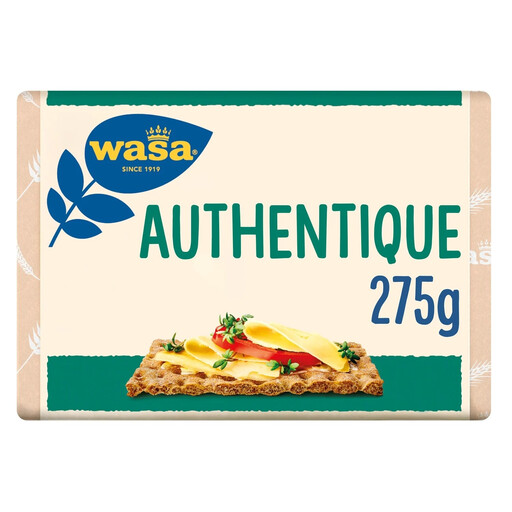 Image unavailable
WASA Authentic crispbread, 275 g
The 275 g pack offers a mid-sized option to compare with 225 g packs and larger sizes. This is crispbread, so it’s only suitable if the person can eat this texture without difficulty.
View on Joybuy
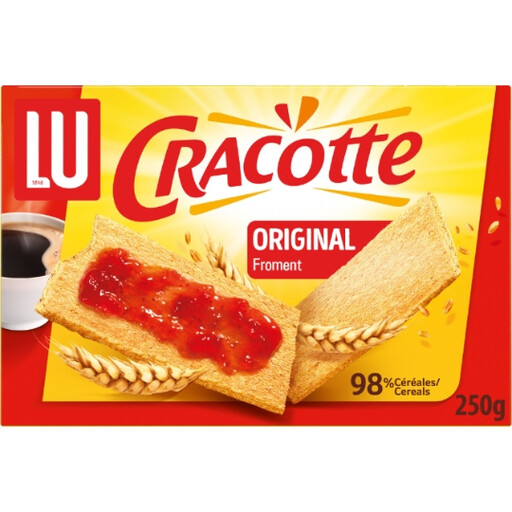 Image unavailable
LU CRACOTTE Original wheat, 250 g
The 250 g pack may appeal to a small household looking to compare compact quantities. These are crunchy slices rather than small toasted rusks, so check that the texture is suitable for the person and read the ingredients on the label.
View on Joybuy
 Image unavailable
KRISPROLLS Swedish-Style Wholegrain, 425 g
The 425 g pack is worth considering if several people will share it or if they eat toasted rusks regularly. If your household doesn’t eat many, compare this size with a more compact pack; the crunchy texture still needs to be considered.
View on Joybuy
Frequently asked questions
What does ‘half loaf’ mean for toasted rusks?
When comparing products, check the pack weight rather than relying on the expression ‘half loaf’. Carrefour and Auchan offer 225 g packs of small toasted rusks; Auchan also sells a 500 g pack. Check the stated number of rusks or slices too, if available.
Does a small pack always mean fewer leftovers?
A smaller pack makes most sense when your household uses the product slowly. If several people share it or eat it regularly, a larger pack may suit you too; compare the quantity with how quickly you usually get through it.
Can you offer toasted rusks to someone who has difficulty swallowing?
Don’t choose a dry, crunchy food based on its small pack size alone. AP-HP describes dysphagia as difficulty or an obstruction affecting the passage of food. If the person’s swallowing difficulty is known or suspected, ask the healthcare professional who supports them which textures are suitable.
How should you compare ‘wholegrain’, ‘no added sugar’ and ‘no added salt’?
Check the ingredients and nutritional information for the specific product, according to the recipe you’re looking for. Auchan offers wholegrain small toasted rusks with no added sugar, while Joybuy stocks Heudebert rusks with no added salt. These labels alone don’t address unintended weight loss or difficulty eating.


