People who regularly eat toasted bread
If you often open a pack for a snack, its net weight should suit how quickly you’ll get through it. A larger pack is only practical if you can store it as directed once opened.


For a late-night snack, start by choosing an amount you can eat and store properly. Then compare wholemeal toast, rusks and crispbread according to the recipe and texture you’re after, checking the ingredients and allergens on the pack you choose.
If you often open a pack for a snack, its net weight should suit how quickly you’ll get through it. A larger pack is only practical if you can store it as directed once opened.
You’re looking for a crisp base rather than a ready-topped snack. Knowing the difference between toasted bread, rusks and crispbread helps you choose the texture and format you want.
You compare the ingredients and nutritional information before making your choice. The word ‘wholemeal’ doesn’t mean you can skip checking the allergens on the pack, especially if you need to avoid certain grains.
When choosing a pack for evening snacks, start with how much you’ll eat, then compare the recipes and storage instructions.
| What to consider | What to check | Who is it for? |
|---|---|---|
| Pack size | Net weight and how quickly you’ll finish the pack once it’s open. | If I eat it regularly, I want enough slices without leaving a pack open for too long; around 50% of consumers put managing quantities at the heart of their choice. |
| Recipe and allergens | Ingredients list, highlighted allergens and nutritional information per 100 g. | When comparing one wholemeal recipe with another, I want to check the fibre and salt without overlooking ingredients I need to avoid; this is the main priority for around 30% of consumers. |
| How you’ll use it and storage | The type of toast you’re looking for and the storage instructions, especially once opened. | For a quick late-night snack, I want a base that suits the topping I have in mind and is easy to put away; around 20% of consumers prioritise this practical use above all. |
The Carrefour Original and Auchan wholemeal toast products described by these retailers contain wheat and barley. Other ingredients or traces may vary by recipe.
If you need to avoid an ingredient, check the ingredients list and highlighted allergens on the exact pack you’re buying.
The storage instructions for the Auchan products checked advise keeping them away from heat and moisture. Both can affect their texture.
Choose an amount that suits how much you eat, reseal the pack and follow the manufacturer’s storage instructions.
Carrefour’s wholemeal wheat toast option comes in a 500 g pack.
Auchan offers wheat and wholemeal wheat toast in 500 g packs, with labels that let you compare the recipes.
Cracotte Froment is a 250 g crispbread option to consider if you prefer this kind of texture for a snack with toppings.
The Braisor option featured by Carrefour is a classic rusk in a 500 g pack.
These options include Cracotte crispbread, two pack sizes of KRISPROLLS Swedish rusks and WASA crispbread. Choose the product type and quantity to suit your usual snacks, then check the ingredients on the packaging.
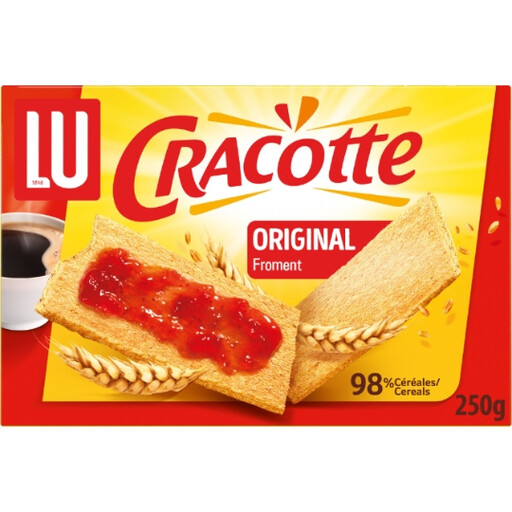 Image unavailable
This 250 g pack is a crisp wheat base for a snack. If you need to avoid certain allergens, check the ingredients list on the pack.
 Image unavailable
This 425 g pack is for anyone looking for wholemeal Swedish rusks in a larger size. Before opening it, make sure the quantity suits how quickly you’ll get through it.
 Image unavailable
This plain 240 g option lets you choose a smaller quantity than the 425 g KRISPROLLS pack featured here. Check the label if the ingredients are part of your decision.
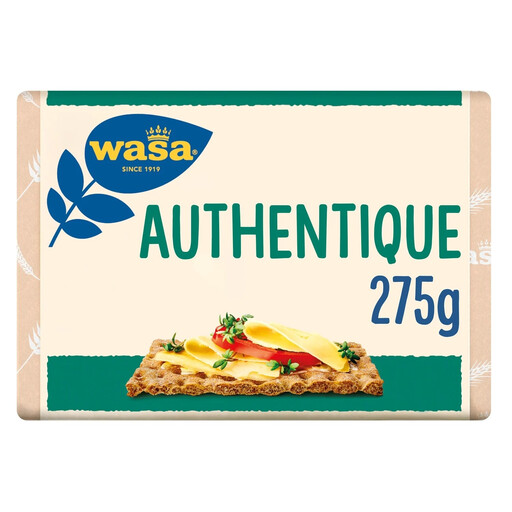 Image unavailable
This 275 g crispbread is another possible base for a snack with toppings. It isn’t a wheat rusk, so check the ingredients if you’re looking for a particular grain.
No. Choose it if the recipe and texture suit what you’re looking for, but don’t assume it’s right for you just because it says ‘wholemeal’. The product information for Auchan wholemeal toast lists 6.8 g of fibre per 100 g, but you should also check the salt, ingredients and allergens before deciding.
Check the ingredients and highlighted allergens on the specific pack you plan to eat. The recipes mentioned here don’t all contain the same grains or ingredients. According to the Directorate General for Competition Policy, Consumer Affairs and Fraud Control, allergens must be highlighted on the labels of prepacked foods.
Check how the date is worded on the packaging and follow the instructions for storage after opening. The Directorate General for Competition Policy, Consumer Affairs and Fraud Control states that a use-by date, marked ‘use by’, must not be exceeded. Also check the condition of the pack and the manufacturer’s storage instructions.