People who regularly prepare afternoon snacks
Whether you’re shopping for a relative or for your own home, you’ll want a quantity that suits your usual consumption. Pack size and storage matter just as much as choosing between rusks and crispbread.


For a regular afternoon snack on a budget, choose a pack of crispbread or rusks that will be used without waste, then check the recipe and how comfortable it is to chew. A large pack is only worthwhile if you can store and use its contents. If the person has difficulty chewing or swallowing, crunchiness shouldn’t be the deciding factor.
Whether you’re shopping for a relative or for your own home, you’ll want a quantity that suits your usual consumption. Pack size and storage matter just as much as choosing between rusks and crispbread.
A dry mouth, dentures or difficulty chewing or swallowing can make rusks awkward to eat. Check that the person can enjoy them comfortably rather than choosing based on the format alone.
If someone has an allergy or specific dietary requirements, check the ingredients, allergens and nutritional information for the exact product before buying it.
| Criterion | What to check | Who is it for? |
|---|---|---|
| Pack size and waste | Compare the net weight and choose a quantity that suits how often it will be eaten. Make sure you can store it in a dry place. | For regular afternoon snacks, I want to use the pack before the last slices go stale; around 45% of consumers prioritise a pack size that matches how much they use. |
| Recipe and dietary requirements | Read the ingredients and allergen information, then compare the sugar, salt and fibre per 100 g if these matter to the person. | If the snack needs to meet dietary restrictions or requirements, I check the exact product before serving it; the recipe’s suitability comes first for around 33% of consumers. |
| Ease of eating | Ask whether the crunchy texture is comfortable to eat. If difficulty chewing or swallowing persists, seek advice from a health professional. | When rusks become difficult to chew, I look first for a snack the person can actually eat; around 22% of consumers prioritise ease of eating. |
A large pack can lead to waste if afternoon snacks are occasional or the contents aren’t stored properly.
Choose a quantity that matches how much you usually use, and follow the storage instructions on the pack.
A dry mouth or difficulty chewing or swallowing can make rusks hard to eat. Weight loss or eating less than usual should also be taken seriously.
Ask the person whether they find the texture comfortable. If they’re eating little, losing weight or experiencing ongoing difficulties, consult a health professional; French Health Insurance recommends investigating the cause of malnutrition.
These claims don’t tell you, on their own, whether a product contains allergens or meets someone’s individual dietary requirements.
Check the ingredients and nutritional information for each product. If the person has been prescribed a diet, follow the advice they’ve been given.
The E.Leclerc range includes wheat rusks and wholemeal wheat crispbread. Check the specific product and pack size rather than treating them as interchangeable.
The plain rusks in this range come in an 800 g box, which may be worth considering if that quantity suits your household’s habits.
Heudebert products don’t necessarily share the same recipe, so check which one you’re comparing.
Cracotte crispbreads may suit someone who prefers this kind of crunchy snack, provided the texture is comfortable for them.
These products include crispbread and two sizes of Swedish-style crispbread for an afternoon snack. Compare the quantity, the recipe shown on each pack and how comfortable it is to chew before choosing.
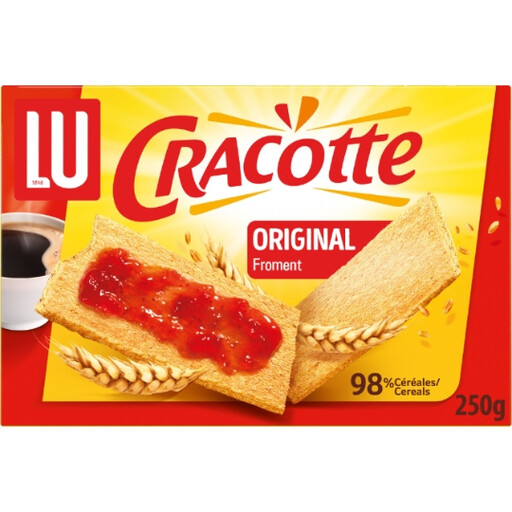 Image unavailable
An option if the person enjoys topping crispbread and likes this texture. The box contains 250 g; check the ingredients and allergen information for the product you receive before serving it.
 Image unavailable
This 240 g pack may suit you if you’re looking for Swedish-style crispbread for occasional snacks. Check the packaging to see what “Unsweetened” means, as well as the ingredients. Don’t assume the name makes it suitable for a particular diet.
 Image unavailable
This 425 g pack may be a good choice for regular afternoon snacks if you’ll use the whole pack. It’s described as Swedish-style wholegrain crispbread; check the nutritional information and allergens on the packaging, and make sure the texture is comfortable for the person.
No. Choose a quantity the person will use and that you can store as directed on the packaging. A large pack isn’t worthwhile if some of it goes unused.
No. “Wholemeal” describes the recipe, not how easy it is to chew or whether it meets individual dietary requirements. E.Leclerc’s Epi d’Or wholemeal crispbread lists 6.8 g of fibre and 1.6 g of salt per 100 g; check the ingredients too, and make sure the person can manage the texture.
Don’t assume that switching to another type of rusk will solve the problem. If chewing or swallowing remains difficult, or the person is eating less and losing weight, seek medical advice; French Health Insurance recommends investigating the cause of possible malnutrition.
Start with the ingredients and allergen information for the product you’ve chosen, then check its net quantity and nutritional information, including the per 100 g values that are useful for comparing products. The DGCCRF notes that labels on prepacked foods include this information, as well as an appropriate date.