If you like to make your own toast
If you want to choose what goes with your coffee, toast or a rusk gives you a base to add your own toppings to. Carrefour and Auchan list these products separately from Digestive biscuits.


Choose toast or a rusk if you want a base you can top however you like; a Digestive biscuit is better suited to a ready-to-eat coffee break. These products are not nutritionally interchangeable: compare the ingredients and nutritional information for the specific products, as well as what you plan to add to your toast.
If you want to choose what goes with your coffee, toast or a rusk gives you a base to add your own toppings to. Carrefour and Auchan list these products separately from Digestive biscuits.
Wholemeal or multigrain varieties can be a good starting point. Then compare the ingredients and nutritional information for the specific product: a shared name doesn’t guarantee an identical recipe.
If you don’t want to add anything to your coffee break, a Digestive biscuit is a suitable choice. Carrefour lists the McVitie’s product reviewed as a crunchy biscuit, not as toast.
First decide whether you’re looking for toast to top or a ready-to-eat biscuit. Then compare labels within the product category that suits how you plan to enjoy it.
| What to consider | What to check | Who this matters to |
|---|---|---|
| Product type | Whether it’s described as “toast”, “rusk” or “biscuit”; whether it needs a topping. | If I want something to top with my coffee, I’m looking for a different product from a biscuit I can eat as it is. Around 31% of consumers put the choice between a base to top and a ready-to-eat biscuit first. |
| Nutritional information | Sugars, fat, fibre and salt per 100 g; the amount you’ll actually eat. | To compare what I usually have during my break, I need the figures for the recipe I’ve chosen rather than relying on the word “Digestive”. Nutritional profile would be the top consideration for around 31% of consumers. |
| Ingredients and allergens | The ingredients list and allergen information, including “may contain” warnings. | If certain ingredients matter to my choice, the words “wholemeal” or “multigrain” aren’t enough to tell me what’s in it. Around 23% of consumers would prioritise ingredients and allergens. |
| Pack size | Net weight, the stated number of slices or biscuits, and storage instructions. | For a regular coffee break, I want a pack size that suits how much I plan to use and store. Pack size would come first for around 15% of consumers. |
“Digestive” is the name of a type of biscuit. It isn’t a reason to assume it has an effect on digestion or a particular nutritional make-up. The label for the McVitie’s product featured by Carrefour states 483 kcal and 21.3 g of fat per 100 g; these figures apply to that specific product.
Read the ingredients and nutritional information for each biscuit you’re considering, then compare them with the portion you plan to have with your coffee.
A ready-to-eat biscuit and toast served with butter, cheese or jam aren’t the same kind of coffee-break choice nutritionally.
First decide which of these two ways of enjoying it suits you. If you compare their nutritional information, remember to include any toppings you plan to add.
The Heudebert Wheat Toast product documented contains wheat and carries warnings that it may contain egg and milk. Check any other recipe or pack size separately.
Check the exact packaging. The DGCCRF reminds consumers that allergens must be highlighted in the ingredients list of prepacked foods.
A brand offering rusks and toast, including wheat and multigrain recipes.
A brand of crisp toast, with wheat and wholegrain products listed in the catalogues reviewed.
Carrefour’s range includes toast, rusks and crispbreads.
E.Leclerc’s range includes wholemeal toast, rusks and brioche-style toast.
Auchan’s catalogue includes wholemeal rusks and wholemeal toast.
These products suit anyone looking for a crisp base, plain or made with grains, to enjoy on its own or top to go with coffee. They aren’t ready-to-eat Digestive biscuits.
 Image unavailable
A crisp wholemeal wheat base to consider if you’d like to choose your own toppings. The pack contains 425 g; check the ingredients and allergen information if wheat or barley are a concern.
 Image unavailable
This 240 g pack may suit you if you’d prefer a smaller bag of wholemeal rusks to enjoy with your choice of toppings. Check the exact packaging for ingredients and allergens relating to wheat and barley.
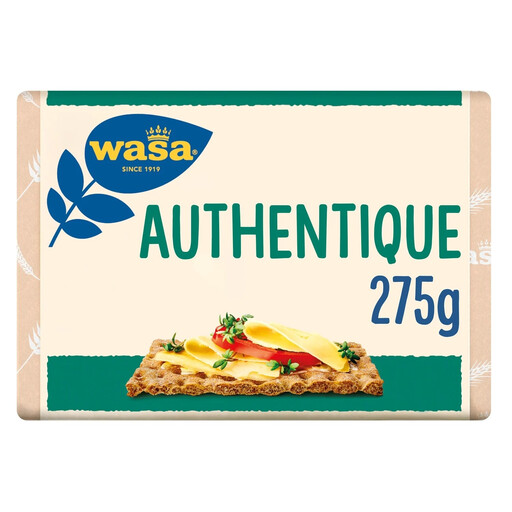 Image unavailable
A base to top if you’re after crispbread rather than a Digestive biscuit. This product is described as a rye recipe and the pack contains 275 g. Check the allergen information on the packaging, particularly if rye or possible traces are a concern.
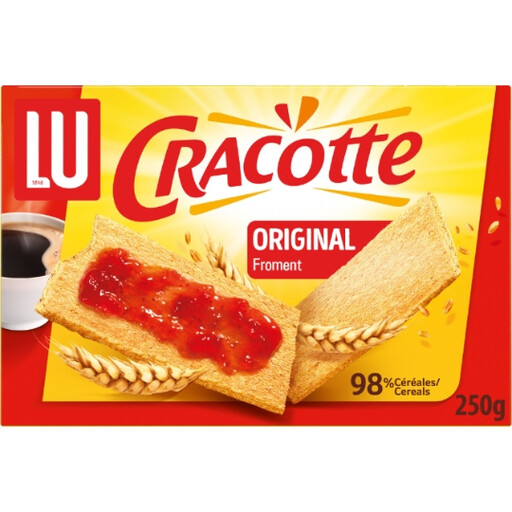 Image unavailable
This crisp wheat toast makes a handy base to top for your coffee break. The pack contains 250 g; the recipe shown lists wheat and milk powder. Check the exact packaging if these ingredients matter to your choice.
 Image unavailable
These wholemeal crisp rolls are for anyone who prefers this format with their coffee. The bag contains 425 g. Compare the sugars and salt listed for this recipe with those in other products you’re considering; also check the ingredients relating to wheat and barley.
No. Carrefour lists the McVitie’s Digestive reviewed as a crunchy biscuit, separately from toast and rusks. For a base to top, look at toast or rusks; for a biscuit to eat as it is, look at Digestives.
No. The name alone tells you neither whether it affects digestion nor its nutritional values. For the McVitie’s product featured by Carrefour, the label states 483 kcal and 21.3 g of fat per 100 g; check the label on the pack you choose.
Read the ingredients list and “may contain” warnings for the exact product. The Heudebert Wheat Toast product documented contains wheat and warns that it may contain egg and milk; this doesn’t describe every recipe from the brand. The DGCCRF reminds consumers that allergens must be highlighted on prepacked foods.
Compare their ingredients and nutritional information per 100 g, then consider the portion you plan to have. If you top the rusk, factor in what you add as well: comparing a plain biscuit with topped toast isn’t a like-for-like comparison of two products eaten in the same way.