Anyone preparing toast to share
For a spread, cheese or a more generous topping, the size and shape of the slices matter just as much as the recipe. Mini crispbreads, crunchy toast and larger slices are served in different ways.


For dinner for two, choose your toast according to what you plan to serve: classic slices to top, a wholegrain recipe if its ingredients matter more to you, or a brioche version for its flavour. The word ‘digestive’ does not prove that a product aids digestion; instead, compare the ingredients, nutritional information and allergens for the specific product you choose.
For a spread, cheese or a more generous topping, the size and shape of the slices matter just as much as the recipe. Mini crispbreads, crunchy toast and larger slices are served in different ways.
You may want to distinguish a wheat recipe from a wholegrain one and compare fibre, sugars or salt. Nutritional information per 100 g lets you compare products on a like-for-like basis, without attributing a digestive effect to any of them.
The name ‘toast’ is not enough to tell you what it contains. Depending on the product, the recipes considered here include wheat, rye, milk or soya; some may also contain sesame. Check the exact pack before serving.
Start with your planned toppings and the ingredients your guests can eat, then compare the recipes that suit the occasion.
Consider it: for topped toast made with a classic recipe.
Check: Carrefour’s Cracotte Froment contains wheat, rye and milk.
Consider it: if wholemeal flour or a mix of grains is a priority when choosing a recipe.
Check: the word ‘wholegrain’ is no substitute for comparing the ingredients and nutritional values of the specific product.
Consider it: if you’re looking for the flavour of a butter-rich recipe to go with your toppings.
Check: Auchan’s Pelletier pure-butter brioche toast contains wheat and dairy ingredients. Its product information lists 13 g of fat, including 8,9 g of saturated fatty acids, per 100 g.
| Criterion | What to check | Who is it for? |
|---|---|---|
| Ingredients and fibre | Ingredients, fibre and sugars per 100 g; don’t infer a digestive effect from the recipe name. | If ingredients matter more than flavour or presentation, I want to be able to compare recipes on a like-for-like basis. Ingredients would be the main priority for around 45% of consumers. |
| Slice format | Type and size of slices, depending on the toppings and how you plan to serve them. | For nibbles or topped toast, I’m looking for a base that suits what I’m preparing. Presentation would be the top priority for around 33% of consumers. |
| Ingredients to avoid | Allergen list and salt content of the exact product, if these are relevant to you. | If a guest needs to avoid an ingredient, I check the pack first. Avoiding an ingredient or checking salt would be the top priority for around 22% of consumers. |
For pre-packed food sold in France, the Ministry of the Economy reminds consumers that allergens must be listed and highlighted. The DGCCRF states that nutritional declarations are given per 100 g or 100 ml. For these toasts, compare the values per 100 g before taking the serving size into account.
Using the word ‘digestive’ when searching for toast does not prove that a recipe improves digestion. The presence of wholemeal flour or fibre is not enough to establish this either.
Choose based on the ingredients and nutritional information shown. If you have questions about symptoms or a medical need, don’t base your decision on this description.
Auchan’s Pelletier pure-butter product contains wheat and dairy ingredients. Its product information lists 13 g of fat, including 8,9 g of saturated fatty acids, per 100 g; these values apply to this recipe, not to all brioche toasts.
If you like the sound of its flavour, compare its ingredients and values per 100 g with those of the other products you’re considering.
Ingredients and precautionary allergen statements vary from one product to another. For example, the Joybuy product information for Heudebert rusks with no added salt lists gluten and a possible presence of sesame.
If a guest needs to avoid an allergen, check the ingredients and statements on the pack you’re serving.
Crunchy wheat toast, alongside other grain-based recipes that are best compared by checking the label.
Rusks made to different recipes, including Biscot Nat and a no-added-salt option listed on Joybuy.
The online range includes wheat toast and wholemeal options.
The Marque Repère range from E.Leclerc includes mini toasts, crunchy toast and wholewheat recipes.
A range of toasts that includes a pure-butter brioche recipe, for those looking for its particular ingredients and flavour.
This editorial selection brings together three different uses: considering a no-added-salt recipe, topping a wheat base or choosing a brioche flavour. It is not a ranking of product quality; the products and their features come from Joybuy, Carrefour and Auchan listings respectively.
| Rank | Product | Features | Why consider it? | Retailer |
|---|---|---|---|---|
| 1 | LU Heudebert rusks with no added salt, 300 g | Rusks with no added salt; gluten listed and sesame may be present. | Joybuy’s product information helps you identify this recipe if salt is guiding your comparison. ‘No added salt’ doesn’t mean you can skip checking the allergens. | Joybuy |
| 2 | LU Cracotte wheat, 250 g | Recipe containing wheat, rye and skimmed milk powder. | Worth considering for topped wheat toast, bearing in mind the ingredients listed by Carrefour. | Carrefour |
| 3 | Pelletier pure-butter brioche toast, 2 × 10 slices, 260 g | 13 g of fat, including 8,9 g of saturated fatty acids, per 100 g. | A recipe to consider if you’re looking for a brioche flavour. Take account of the values listed by Auchan and the presence of dairy ingredients. | Auchan |
These options are crispbreads to top and serve at dinner, including wholegrain recipes and a wheat option. Choose a format to suit your planned toppings, and check the pack if there’s an ingredient you need to avoid.
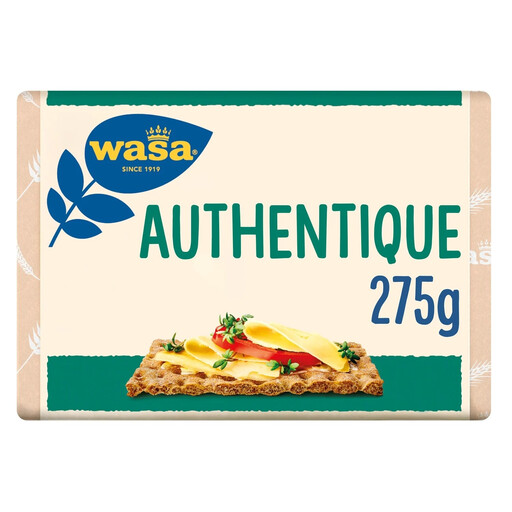 Image unavailable
For toast to share, check that the slices are the right size for your toppings. If you have a dietary restriction, check the ingredients and allergens on the pack.
 Image unavailable
Worth considering if you’re looking for a wholegrain option for topped nibbles. Check the slice size and ingredients before deciding how many to serve.
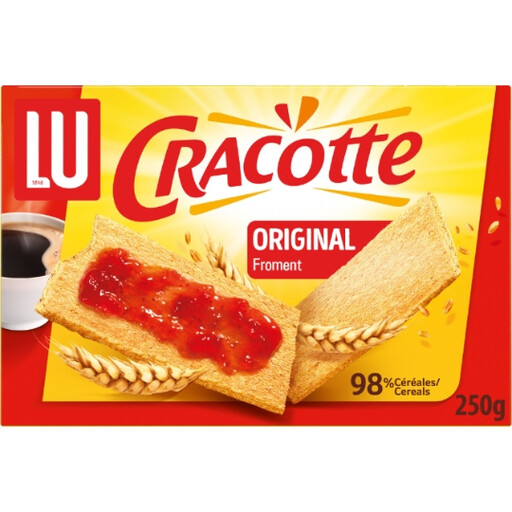 Image unavailable
These wheat slices make a classic base to top. If a guest avoids wheat, rye or milk, check the ingredients on the pack before serving.
The word alone does not prove an effect on digestion. When choosing a product, compare its ingredients and nutritional information without treating its fibre content as a proven digestive benefit.
Check that the slices are the right size for your planned toppings, then check the ingredients and allergens on the pack you’ve chosen. In France, the Ministry of the Economy reminds consumers that allergens in pre-packed food must be listed and highlighted in the ingredients list.
Choose according to the recipe you want to serve: wheat for a classic base, wholegrain if that composition is your priority, or brioche if you’re after that flavour. To compare fibre, sugars, salt and fat, use the values per 100 g for each product; the DGCCRF specifies this basis for nutritional declarations on solid foods.
Follow the instructions on the pack you’ve bought. The Joybuy listings for the Heudebert products considered here recommend storing them in a cool, dry place; one also advises protecting the rusks from heat and moisture.