
Livraison le jour même ou le lendemain

Qualité garantie

Débloquez vos offres de bienvenue: Livraison GRATUITE | Jusqu'à -80 % | 30 jours d'essai gratuits à JoyPlus
Téléchargez l'application
A red nose, raw skin, a burning sensation... Whether it's a simple cold, seasonal allergies, or naturally reactive skin, blowing your nose can quickly become an ordeal. Choosing the right tissue is no longer a minor detail, but a necessity to keep your skin comfortable.
Faced with a maze of options on the shelves, it's hard to know where to start. Our guide is here to help you make sense of it all and choose the tissues for sensitive skin that combine softness with respect for your epidermis, all without the unnecessary marketing jargon.
Before we unveil our selection, let's review the key points for finding the perfect tissue to meet your needs.
It all starts with the raw material: this is what largely determines the tissue's softness.
Some tissues are enriched with conditioning agents for enhanced comfort.
The thickness, often indicated by the number of plies (3 or 4), directly affects the tissue's strength and absorbency. A thicker tissue will be sturdier, especially against moisture, allowing it to be used both wet and dry, much like a facial wipe. It also provides a more pronounced "cushioning" effect, thereby reducing friction on the skin.
We've selected a few standout products that are distinguished by their composition and features, designed to meet every need.
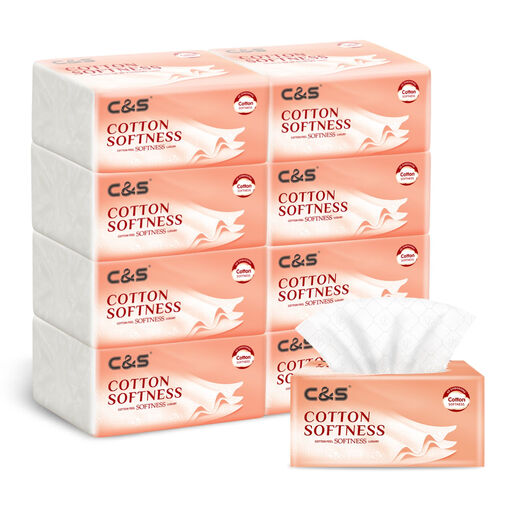
What sets them apart
These tissues stand out thanks to a soft texture, achieved through an innovative 4D embossing, and a composition of virgin wood pulp. Their value pack size makes them a smart choice for daily family use.
Key features
Who is it for?
Ideal for families and for versatile daily use (blowing your nose, cleaning your face, wiping your hands). It's the trusted option for those looking for soft, effective tissues for heavy use, without necessarily needing a lotion.
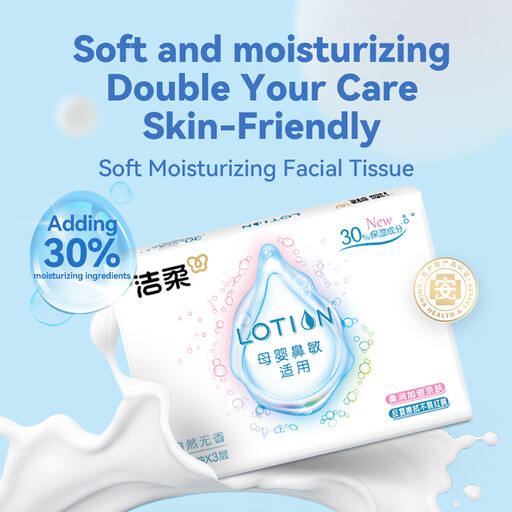
What sets them apart
Specially formulated for delicate skin, this tissue is enriched with a moisturising lotion that makes all the difference. According to the brand, this technology significantly reduces friction compared to a standard tissue.
Key features
Who is it for?
Essential for noses suffering from allergies or a bad cold. It's also a top choice as baby tissues or for anyone whose skin gets irritated at the slightest friction.

What sets them apart
Made from premium 100% cotton, these wipes are distinguished by their unparalleled softness and versatility. Ultra-strong, even when wet, they stand out as a healthy and gentle alternative to commercial wet wipes.
Key features
Who is it for?
The ultimate solution for ultra-sensitive or even atopic skin. Its versatility makes it a valuable ally for new parents (for diaper changes, wiping baby's face) and for anyone looking for a healthy multi-use wipe for their beauty routine.
While you're taking care of your skin, don't forget to capture the moments that matter.
Discover our selection of photo printers
1. What is the difference between standard tissues and hypoallergenic tissues?
Hypoallergenic tissues are formulated to minimise the risk of allergies. Specifically, they are free of any potentially irritating additives: fragrances, dyes, or optical brighteners (fluorescent whitening agents), which are known to aggravate sensitive skin.
2. Can you use baby tissues on an adult with sensitive skin?
Yes, absolutely. Baby products, including baby tissues, must meet very strict standards for softness and safety. Their ultra-gentle formulation makes them a perfect option for adults with reactive skin.
3. Are cotton tissues really softer?
Cotton is naturally perceived as softer thanks to its flexible and highly absorbent fibres. However, excellent wood pulp tissues with multiple plies and sophisticated embossing can compete in terms of softness. Ultimately, it's a matter of personal preference and skin sensitivity.