What should you look for first?
When choosing a tin for an older person, start with anything that could make the meal harder to manage: how much they eat, the bones or the recipe’s ingredients.
| What to check |
Look for |
Who is it for? |
| Protein and portion size |
Protein per 100 g and drained weight; distinguish the fish from the liquid it’s packed in. |
When appetite is declining, I want to know how much fish will actually be eaten and what it adds to the meal; around 40% of consumers are said to prioritise this. |
| Bones and format |
A “boneless” label or fillet format; if there are swallowing difficulties, ask a healthcare professional about the texture. |
If bones put someone off sardines, I’m looking for a format they’ll be happy to eat; ease of eating is said to be the main concern for around 30% of consumers. |
| Salt and recipe |
Salt per 100 g on a comparable basis, and the ingredients in the recipe. |
If I need to keep salt in mind when planning meals, I’d rather read the label than judge the tin by how it looks; around 30% of consumers are said to prioritise this nutritional information. |
Brands to compare
These examples show why it’s worth comparing individual products and their labels, rather than drawing conclusions about an entire brand.
Connétable
The range includes boneless, skinless sardines in spring water, as well as recipes made with olive oil.
- One product in spring water listed by Auchan contains 24 g of protein and 1 g of salt per 100 g.
- These figures apply to this product only: check the format and ingredients of the tin you choose.
Saupiquet
The brand offers fillets and whole sardines, including a range of recipes made with olive oil.
- Saupiquet says its organic fillets in olive oil come in a 70 g format and contain 25 g of protein per 100 g drained weight.
- This same product contains 1.3 g of salt per 100 g drained weight; neither this figure nor the format applies to the entire range.
Auchan
A product of boneless sardines in olive oil lets you compare this format with whole sardines or those in spring water.
- The label for this product lists 22 g of protein and 0.54 g of salt per 100 g.
- These figures apply to this recipe only, not to all Auchan sardines.
Carrefour Extra
A product of boneless sardines in extra virgin olive oil may suit people who are put off by bones.
- Carrefour’s product information lists sardines, 29% extra virgin olive oil and salt.
- A boneless format alone doesn’t tell you whether the texture is suitable for someone who has difficulty swallowing.
Pêche Océan (E.Leclerc)
A product of whole sardines in extra virgin olive oil provides a useful comparison with boneless formats.
- E.Leclerc lists 22.6 g of protein and 0.5 g of salt per 100 g of fish for this product.
- The sardines are still whole, so check that this format suits the person who’ll be eating them.
Tinned sardines available on Joybuy
These tins include options in spring water and oil, including one product clearly labelled boneless. Start by choosing a format and recipe that suit the meal, then compare the details on each tin.
 Image unavailable
Connétable Sardines in extra virgin olive oil, 140 g
Sardines in olive oil for a meal where this type of tin is a good fit. Joybuy lists a drained weight of 98 g, along with 24 g of protein and 0.9 g of salt per 100 g; check the texture if bones are a concern.
View on Joybuy
 Image unavailable
Connétable Boneless Sardines in spring water, 98 g
Worth considering if the oil the fish is packed in or the bones could make the meal less appealing. The listed format is 98 g; check the drained weight to see how much fish you’ll be serving. “Boneless” doesn’t guarantee a texture that’s suitable for someone with swallowing difficulties.
View on Joybuy
 Image unavailable
Connétable Sardines in extra virgin olive oil, 135 g
Another tin of sardines in extra virgin olive oil, in a 135 g format. If the amount of fish or ease of eating is important to your choice, check the drained weight and information about bones before buying.
View on Joybuy
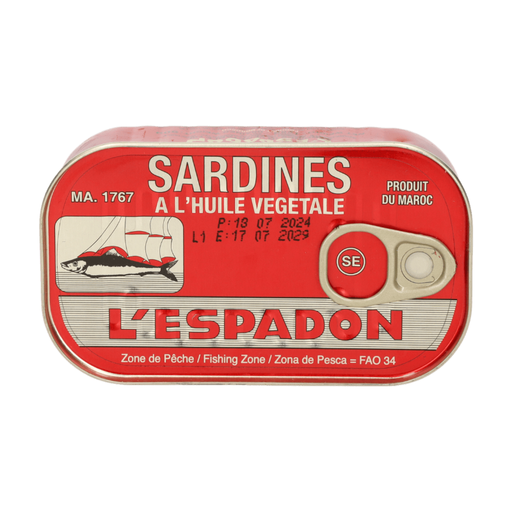 Image unavailable
L’Espadon Sardines in oil, 125 g
This 125 g tin is an option if you’re looking for sardines in oil and don’t have a particular preference for olive oil. Check the label for the type of oil, drained weight and whether the sardines contain bones, if these details matter for the meal.
View on Joybuy
 Image unavailable
Connétable Sardines in olive oil with Espelette pepper, 1/6, 115 g
A seasoned recipe to consider if the person enjoys Espelette pepper. If portion size or chewing is a factor in your choice, also check the drained weight and information about bones.
View on Joybuy
Frequently asked questions
How can tinned sardines fit into an older person’s meals?
They can be part of a varied diet, providing protein and offering an option for oily fish. Manger Bouger recommends two portions of fish a week, including one portion of oily fish, and gives a tin of sardines as an example of a portion of around 100 g. A tin doesn’t replace an assessment if there’s weight loss or malnutrition.
Should you choose sardines in spring water or olive oil?
Choose sardines in spring water if you want to avoid the oil they’re packed in; a recipe in olive oil may suit the meal you have planned. To compare two tins, check the fat, protein and salt content, as well as the drained weight on the labels. Don’t assume every recipe in the same category has the same nutritional values.
Are boneless sardines suitable for someone who has difficulty swallowing?
“Boneless” addresses concerns about bones, but doesn’t establish that the texture is suitable for someone who has difficulty swallowing. If they cough during meals, choke or follow a texture-modified diet, ask the healthcare professionals supporting them for advice.
How should you store sardines after opening?
Follow the instructions on the tin you’ve bought. Products listed by Auchan, Connétable and Saupiquet advise keeping the sardines in the fridge and eating them within two days of opening; check the instructions for your specific product.
How should you choose sardines if an older person needs to limit their salt intake?
Compare the salt per 100 g using equivalent measurements, and follow the guidance for the prescribed diet. The figures quoted for one product don’t apply to all sardines, even when they’re prepared with the same oil.


