For everyday meals
If you make salads, pasta dishes or sandwiches, two useful things to compare are a plain recipe and a drained weight that suits the meals you have planned.


If you’re stocking your cupboard with tinned tuna for a range of recipes, plain tuna is a good starting point if you prefer to add your own seasoning. Compare the drained weight with the number of meals you have in mind. Tuna in oil suits a different preference, while a tin that’s already drained saves you a step. For a larger tin, make sure you can use the contents in line with the instructions after opening.
If you make salads, pasta dishes or sandwiches, two useful things to compare are a plain recipe and a drained weight that suits the meals you have planned.
If you want to add tuna straight to a recipe, look for a product clearly labelled as already drained or requiring no draining.
If the type of oil, salt, tuna species or a certification on the label matters to you, check the details for the exact product rather than relying on the brand alone.
First decide how much tuna you’ll use, then choose a recipe and level of preparation to suit your meals. The percentages below show the needs consumers prioritise when stocking their cupboards.
| Criteria | What to check | Who is it for? |
|---|---|---|
| Usable quantity | Compare the drained weight and choose a tin that contains the right amount for the meals you have planned. | If I’m making a small dish, I don’t want to open more than I can use in time. Around 36% of consumers put choosing the right size first. |
| Recipe and nutritional information | Check the ingredients, the type of oil if applicable, and the fat and salt content per 100 g. | If I want to season a dish myself, I can choose plain tuna; if I’d prefer tuna in oil, I check which oil is used. Around 29% of consumers prioritise the recipe. |
| Preparation | Look for a clear statement such as “already drained” or “no draining required”. | When I’m putting a meal together quickly, skipping the draining saves me a step. Around 21% of consumers prioritise ease of use. |
| Traceability information | Check the tuna species and make sure the product you choose actually carries the label you’re looking for. | If a certification or the fish’s identity influences my purchase, I want to be able to find it on the specific product. Around 14% of consumers put this first. |
The total weight can include water or oil. If you’re working out how much fish you’ll have for a recipe, compare the drained weight.
Check this information on each tin. For example, Carrefour lists plain tuna products with drained weights of 140 g and 560 g.
Plain tuna and tuna in oil don’t have the same ingredients. Nutritional information and salt content can also vary between products.
Read the ingredients list and compare the fat and salt per 100 g for the specific products you’re considering.
A large tin is a good choice if you’re planning to serve several portions soon, but once opened, its contents won’t keep in the same way as an unopened tin.
Choose a size to suit how you’ll use it, and follow the product’s storage instructions after opening.
An MSC label on one product doesn’t mean that every recipe and size from the brand carries the same certification.
Check the label on the exact tin you choose, along with the species and traceability information shown on it.
The range includes plain tuna and tuna in oil, with some products labelled as already drained.
Saupiquet offers products including whole tuna in spring water and tuna fillets in olive oil.
Carrefour offers, among other products, a 140 g tin of plain whole albacore tuna with a drained weight of 140 g, as well as a 560 g tin of plain tuna with a drained weight of 560 g.
This E.Leclerc brand includes several sizes of plain whole albacore tuna, as well as other recipes.
Lidl lists a product made with skipjack tuna in sunflower oil that carries an MSC label.
This selection includes plain tuna, which you can season to taste, and a recipe made with sunflower oil. Compare the size with the amount you need for your meals, and check each product’s instructions for after opening.
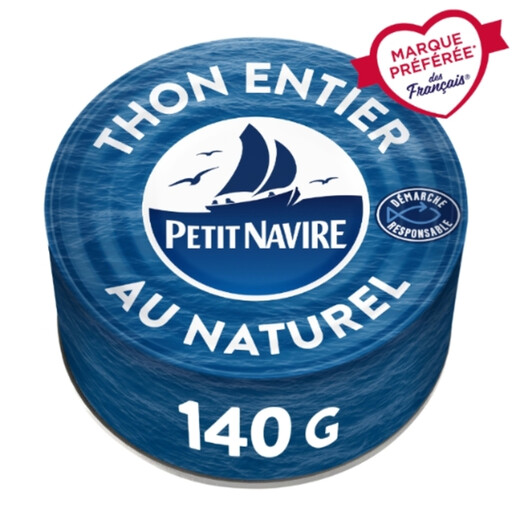 Image unavailable
This plain recipe is worth considering for adding tuna to a salad or sandwich. The Joybuy product listing gives a drained weight of 98 g for this product. Check the nutritional information on the packaging if you’re comparing it.
After opening, follow the product’s instructions for transferring and refrigerating the tuna, and use within 24 hours.
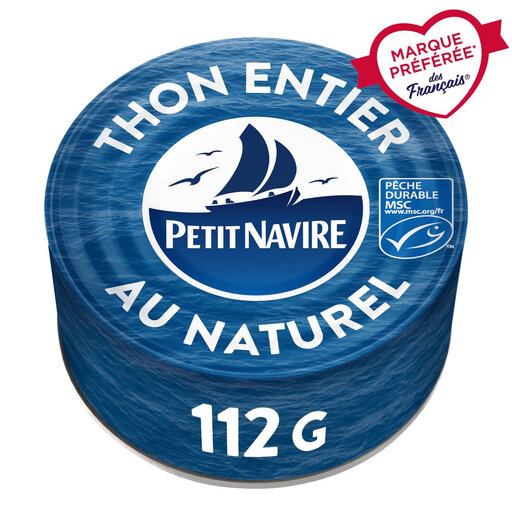 Image unavailable
The drained weight in the product name makes it easier to choose the right amount for your recipes: 112 g drained from a total weight of 160 g. The MSC label applies to this product.
After opening, refrigerate the contents and use within two days, following the instructions for this product.
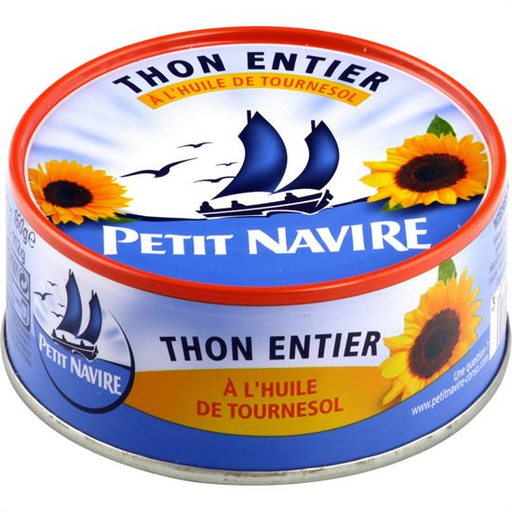 Image unavailable
This recipe is a good choice if you’re specifically looking for tuna in sunflower oil. The stated size is 160 g. To compare the amount of fish you can use with a tin of plain tuna, also check the drained weight on the packaging.
After opening, refrigerate the contents in a suitable container and use within two days, following the product instructions.
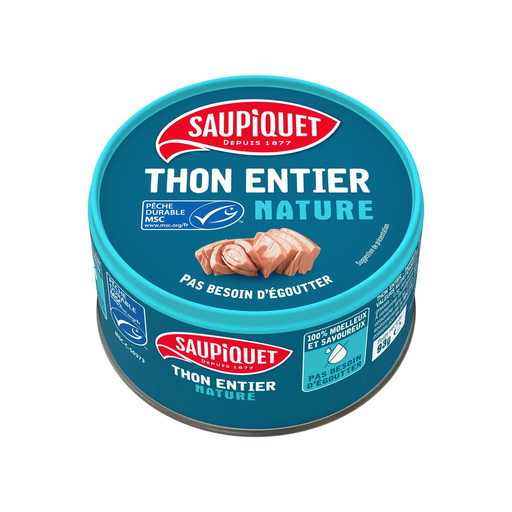 Image unavailable
This 93 g size is worth considering if you need a small amount of plain tuna for a recipe. Check the drained weight on the product to compare it with other tins.
After opening, transfer any leftovers to a non-metallic container, refrigerate and use within 24 hours, following the instructions provided.
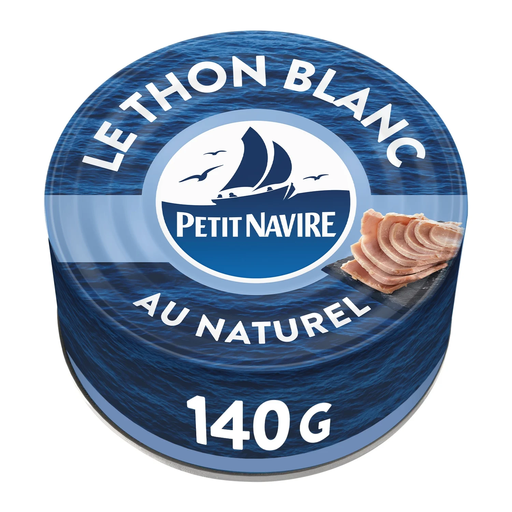 Image unavailable
This 140 g tin is another recipe to consider for salads or sandwiches. If the amount of fish you can use is a key factor in your choice, check the drained weight on the packaging.
After opening, remove the tuna from the tin, refrigerate it and use within 24 hours, following the instructions provided.
Not necessarily: a best-before date, shown as “best before”, is different from a use-by date. Service-Public.fr explains the difference; check the exact wording, make sure the tin is intact and follow the instructions on the product.
Follow the storage time and conditions given for the product you bought, as these can vary. A Petit Navire product listed by Auchan says to refrigerate and use within two days of opening; other products specify 24 hours.
No: check the exact product. Some Petit Navire, Saupiquet and Sol&Mar products carry an MSC label, but that doesn’t mean it applies to the brands’ other recipes or sizes.
Yes: Anses publishes specific recommendations on wild predatory fish, including tuna, for pregnant or breastfeeding women and children under 3. Check its current guidance for the precautions that apply to your situation.