
Livraison le jour même ou le lendemain

Qualité garantie

Débloquez vos offres de bienvenue: Livraison GRATUITE | Jusqu'à -80 % | 30 jours d'essai gratuits à JoyPlus
Téléchargez l'application
Tinned tuna is a kitchen staple that works in everything: salads, sandwiches, pasta, or on toast. But not all tins are created equal, and they don't all suit the same needs. Net weight, drained weight, type of oil, actual fish content, and even fishing certification – a quick look at the label can make a big difference to value for money.
Here are the key things to check before buying tinned tuna, along with a selection tailored to different uses and eating habits.
A 160 g tin can contain much less tuna once the water, brine, or oil is removed. To compare two products, always look at the net drained weight when it's listed.
This matters most for recipes that need a precise amount of fish, such as a mixed salad or a sandwich filling.
Natural tuna, preserved in water or brine, usually contains less fat than tuna in oil. However, it can be saltier, depending on the recipe. Tuna in oil – whether sunflower or olive oil – often has a softer texture but also a higher fat content.
Compare the nutritional values per 100 g and check whether they refer to the drained product or the total contents of the tin.
A 2.4 kg tin can be ideal for a family, a shared kitchen, or batch cooking. For someone living alone, though, it can become awkward if the contents need to be eaten quickly after opening.
Storage instructions vary between products: some recommend eating within 24 hours, others within 48 hours, or within two to five days. In every case, transfer the tuna to a suitable container, cover it, and keep it in the fridge.
White tuna, often labelled as albacore or bonito depending on the product, is usually sold in chunks or fillets. Flakes are better for spreads, salads, and stuffings. For a smarter presentation, go for whole tuna or fillets.
Drained weights of 93 to 112 g are ideal for a single portion. Tins of 140 to 160 g can make one or two light servings, while the professional 2.4 kg format is designed for heavy use.
The MSC logo is a certification that should be checked directly on the packaging or in the product's official information. Several products in this selection carry it, including the Petit Navire Natural White Tuna MSC 112 g and the ESCAL frozen tuna steaks.
This certification doesn't replace checking the product name, the species used, the fishing area, and the storage conditions listed on the product page or packaging.
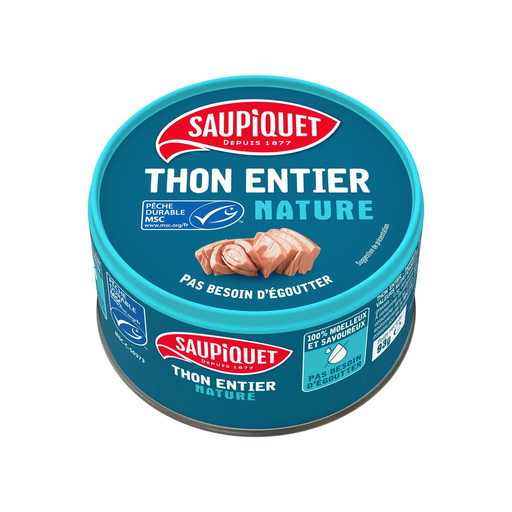
Why this suits this profile: Its small size and brine preparation make it ideal for anyone wanting to try a natural tuna for a salad, sandwich, or quick meal on the go.
The 93 g size means you don't have to store a large opened tin. The stated ingredients are simply tuna, water, and salt.
The product page states 93 kcal and 22 g of protein per 100 g, with a ready-to-eat preparation.
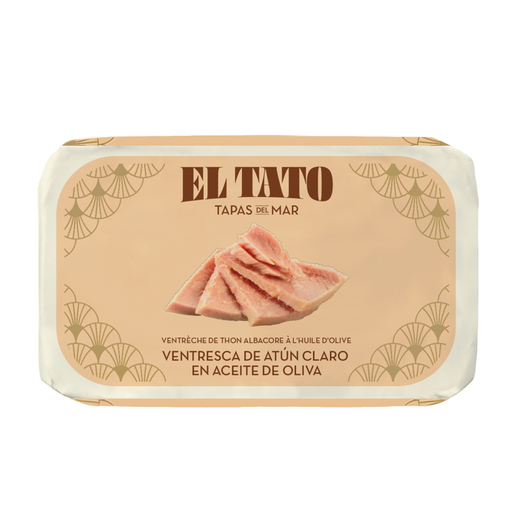
Why this suits this profile: The albacore loin and olive oil are aimed at those who appreciate a more generous presentation, whether for a cold plate or a Mediterranean-inspired recipe.
The 120/85 g labelling clearly separates total weight from drained weight, making it easier to compare with other products.
An albacore loin in olive oil with 24 g of protein per 100 g, according to the information provided.
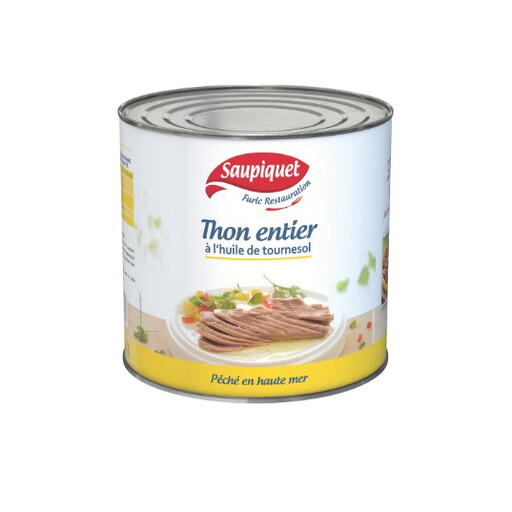
Why this suits this profile: This bulk pack is designed for kitchens that regularly make large batches of salads, quiches, pasta, or fillings.
The large size makes sense when you have planned consumption. After opening, the product page recommends storing between 0 and 4 °C and eating within 48 hours.
With 2.4 kg of product and 28 g of protein per 100 g according to the page, this option is ideal for batch cooking.
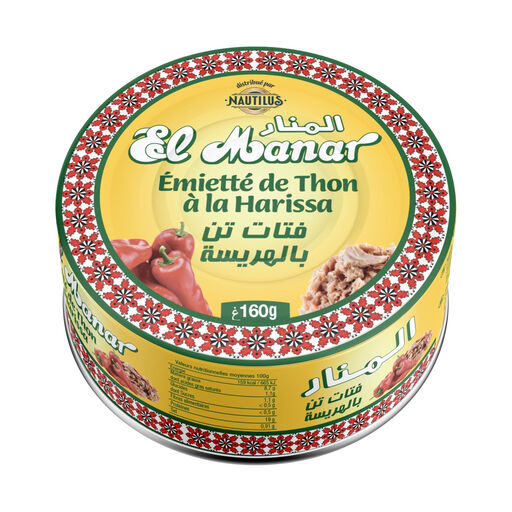
Why this suits this profile: Already seasoned, these tuna flakes are perfect for a speedy meal without having to pull out a whole cupboard of ingredients.
The recipe contains 68% tuna and 6.4% harissa. So you know exactly what flavour to expect before you order.
The product page states 160 g, 19 g of protein, and 159 kcal per 100 g. Use it straight from the tin in salads, sandwiches, or pasta.
We've put together a full range, updated in real time, featuring products that meet these selection criteria and European safety standards.
Before buying, check the condition of the tin: it should not be swollen, leaking, or badly dented. Once opened, do not leave the tuna in the metal tin. Transfer it to an airtight container and put it in the fridge.
To vary your meals, tuna in tomato sauce works brilliantly with pasta and quiches. Tuna with lemon and thyme, or basil-flavoured tuna, can be added straight to a salad. Frozen tuna steaks need to be fully defrosted and cooked properly.
Cat food with tuna should not be replaced with tuna meant for human consumption. Sheba soups and fillets, as well as Inaba bites, are presented as complementary foods or treats: they should supplement a complete diet for adult cats, as stated on the packaging.
Yes. Tinned tuna is generally cooked before being sealed in the tin. So you can eat it straight after opening, in a salad, sandwich, or hot dish.
It depends on the product. The product pages often recommend eating within 24 to 48 hours, sometimes within a few days. Always follow the manufacturer's instructions, transfer the contents to a non-metallic container, and keep it in the fridge.
Compare the nutritional values per 100 g and check the drained weight. Several natural or brine-packed tuna options in this selection provide around 20 to 25 g of protein per 100 g. Their salt content and the actual amount you can eat may vary from one product to another.